
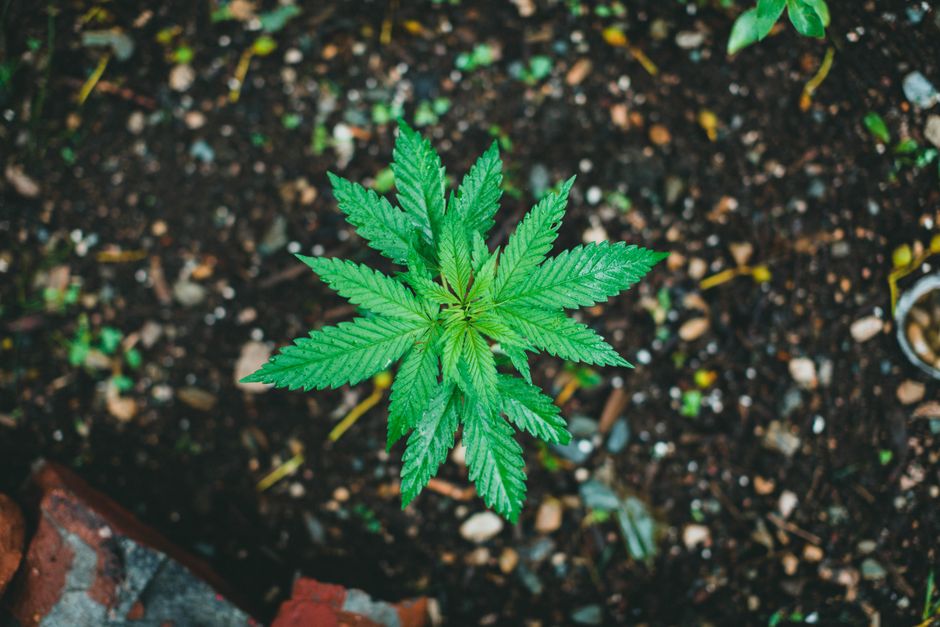
Organic cannabis is better for consumers who value cultivation practices that avoid pesticides and synthetic fertilizers, along with clear attention to how a product is grown and handled. For flower shoppers, patients comparing options, and food lovers choosing cannabis edibles, the word “organic” is most useful when it comes with specific information about growing methods and product ingredients.
At Trinity Growers Co., our family-owned micro grow farm in Trinity County, California, has focused on estate-grown cannabis and sustainable farming practices since 2016. Organic cultivation is a meaningful starting point, but it does not replace checking the strain, product format, and label details.
TL;DR
- Start with the growing method: Ask whether the producer avoids pesticides and synthetic fertilizers, and what practices they use instead.
- Compare the whole product: Strain, cannabinoid profile, harvest handling, and storage all influence flower quality alongside cultivation choices.
- Read edible labels carefully: Check the serving information and ingredients, not just the cannabis cultivation claim.
- Match the format to your needs: Flower, edibles, and vape cartridges have different use patterns and product details to evaluate.
Key takeaways
Organic cannabis describes a cultivation approach, not a promise of a particular effect, potency, or medical outcome.
A practical comparison before you buy
Why organic cannabis is better for the whole product

Cultivation is one part of quality
The case for organic cannabis begins in the grow environment. Trinity Growers Co. produces estate-grown cannabis without pesticides or synthetic fertilizers. That is a specific cultivation commitment, not a shortcut for describing every quality a customer cares about. Genetics, plant development, harvest timing, drying, curing, and storage still matter to the flower that reaches the consumer.
For enthusiasts, an organic growing approach can align with a preference to avoid certain agricultural inputs. It also makes questions about soil care and cultivation choices central to the buying decision. Still, “organic” does not tell you whether a cultivar has the aroma you like, how strong it is, or how you will respond to it. Those details vary by product and person.
Research on organic growing methods is a developing area. The study titled Effect of organic biostimulants on cannabis productivity and soil microbial activity under outdoor conditions was accepted on January 18, 2024. Its subject is organic biostimulants, cannabis productivity, and soil microbial activity under outdoor conditions, which are distinct topics from claims about a finished product’s effects.
Product format changes what to assess
Flower lets shoppers consider the cultivar and its sensory qualities directly. Edibles add a food ingredient list and serving information to the decision, while vape cartridges require attention to the cartridge’s specific product details. The same cultivation claim does not answer all those format-specific questions.
Eco-conscious buyers may also want to understand how a farm approaches land and inputs, rather than relying on a label alone. Our description of sustainable farming practices can help readers understand the growing principles we emphasize. Organic choices are a fit for people who value those practices, but not a guarantee of a particular sensory or health outcome.
How to choose organic cannabis for your situation

Use criteria that fit your purchase
Begin with the reason you are choosing a product. A flower enthusiast may care most about the strain, aroma, and how the product was handled after harvest. Someone comparing products for medicinal use should treat cultivation as one factor and discuss cannabis use with a qualified health professional, especially when other medications or health conditions are involved. A foodie should put ingredient information and serving details high on the list.
When comparing growers, ask what “organic” means in their operation. Look for a clear explanation of whether pesticides and synthetic fertilizers are used, how the farm manages plant health, and how the grower keeps track of a crop from cultivation through harvest. A producer should be able to describe practices plainly without turning them into promises about potency or medical benefits.
The research article A Comprehensive Analysis of Organic Food: Evaluating Nutritional Value and Impact on Human Health was accepted on December 29, 2023. Its subject is organic food and its nutritional value and human-health impact; that subject does not establish a specific health benefit from cannabis.
Before selecting a strain or format, check these points:
- Cultivation detail: Confirm whether the producer’s claim specifically covers pesticide and synthetic fertilizer use.
- Product identity: Compare strain or product name, format, and the available cannabinoid information rather than judging by the word organic alone.
- Post-harvest handling: Ask how the producer approaches drying, curing, and storage, since these steps affect the final flower.
- Edible ingredients: Review the food ingredients and serving information, especially if you have dietary preferences or restrictions.
- Your intended use: Choose a format you understand and can use responsibly; do not assume one form will feel like another.
Pro Tip: If two flower options both meet your cultivation preferences, compare the strain and harvest information next. Those details are more useful for choosing a product you will enjoy than treating “organic” as a stand-in for aroma or potency.
Know what the claim cannot tell you
Organic cultivation does not automatically mean a product is pesticide-free in every possible sense, free of all contaminants, or clinically effective. It also does not show that an edible has a preferred flavor or that a vape cartridge contains ingredients suited to every consumer. Read the specific product information and be cautious of broad statements that collapse cultivation, safety, and effects into one claim.
Choosing a strain is easier when you know what qualities you are looking for and which product details matter to you. Our guide to choosing an organic cannabis strain offers a useful next step for comparing cultivars without assuming that one strain fits everyone.
What happens after you decide on a product
A careful selection, step by step
- Define the product format: Decide whether you are comparing flower, an edible, or a vape cartridge. Each requires different information, so identify the format before weighing cultivation claims.
- Set your priorities: Note whether your main concern is the farm’s growing practices, a strain’s sensory profile, edible ingredients, or another product detail. A short list helps keep the decision focused.
- Check the cultivation explanation: Look for a direct account of inputs and plant care. For Trinity Growers Co., the relevant commitment is estate-grown cannabis produced without pesticides or synthetic fertilizers.
- Compare product information: Review the strain or product identity and available cannabinoid details. For flower, consider aroma and appearance; for an edible, check ingredients and serving information; for a cartridge, read its specific product details.
- Consider handling and storage: Ask how flower is dried, cured, and stored before purchase. Poor storage can affect a product’s aroma and texture, regardless of how it was grown.
- Choose responsibly: Follow the product’s directions and account for your own experience and circumstances. Edibles in particular are not interchangeable with inhaled products because they are used differently and individual responses vary.
Pro Tip: When comparing edibles, write down the serving information and ingredients before you buy. This keeps a food-focused choice grounded in the package details rather than assumptions based on the cannabis source alone.
A decision process should also include what you do not know. If a label does not explain a cultivation claim, product ingredients, or strain identity clearly, pause and seek that information rather than treating missing details as evidence. For more context on formats, our overview of organic cannabis product types explains the differences shoppers should consider.
Our perspective
Grow practices matter, but specifics matter more
We are a family-owned micro grow farm in Trinity County, California, and we have focused on sustainable farming practices since 2016. Our approach starts with estate-grown cannabis produced without pesticides or synthetic fertilizers. We believe those choices matter to consumers who want to know how their cannabis was cultivated, and we do not treat them as proof that every product is right for every person.
We encourage shoppers to look beyond a single label. Ask what the grower means by organic, then compare the cultivar and the product format. A flower customer may be weighing aroma and strain preference; an edible customer needs to read ingredients and serving details. A patient should not mistake farming practices for medical advice or a guaranteed treatment outcome.
We also avoid presenting organic as a synonym for stronger, safer, or more effective. Those claims go beyond what cultivation practices establish. A useful conversation about cannabis quality keeps the farm’s methods, the product’s identity, and the customer’s intended use separate and clear.
When to bring in a professional
Bring the right questions to the conversation
If you are choosing cannabis as part of managing a health concern, speak with a qualified health professional who understands your medical history and current medications. Bring the product label or product details, the format you are considering, and any questions about how cannabis use fits your care. A grower can explain cultivation and product information, but cannot determine whether cannabis is appropriate treatment for you.
For cultivation questions, a knowledgeable cannabis retailer or producer should be able to explain what its organic claim covers, how it approaches inputs, and what product information it can provide. For edibles, ask for clear ingredient and serving details. For flower, ask about strain identity and handling. If answers are vague or make sweeping medical promises, treat that as a reason to keep comparing options.
Frequently asked questions
Does organic cannabis mean pesticide-free?
Not necessarily as a universal claim. Trinity Growers Co. states that its cannabis is produced without pesticides or synthetic fertilizers, but consumers should check what any individual seller means by “organic.” Ask whether the statement describes the farm’s cultivation practices, the specific product, or a formal certification. Do not infer that a broad label guarantees the absence of every possible contaminant or explains how a crop was handled after harvest.
Is organic cannabis stronger than conventionally grown cannabis?
Organic cultivation alone does not establish potency. Strength and effects depend on the specific product and the individual using it, so compare available cannabinoid information and product details rather than assuming the growing method predicts potency. If you are choosing flower, also consider strain identity and sensory qualities. For edibles or vape cartridges, use the information for that product format instead of applying flower assumptions.
Are organic cannabis edibles a better choice for food lovers?
They may suit people who care about both cannabis cultivation and the food ingredients in a prepared product. “Organic” describes a growing approach, though, and does not tell you whether an edible’s flavor, ingredients, or serving information meet your preferences. Read the product details, consider any dietary restrictions, and remember that edible use differs from inhaled cannabis. A food-focused purchase should account for both the cannabis and the finished edible.
What should I check when comparing organic cannabis flower?
Start with the grower’s explanation of cultivation inputs, then check the strain name and available product information. Ask how the flower is dried, cured, and stored, because post-harvest handling contributes to the final aroma and texture. Organic practices are a meaningful criterion for some shoppers, but they do not replace comparing the flower itself or considering how you personally respond to cannabis.
Does organic cannabis have proven medical benefits?
An organic growing method does not by itself prove that cannabis treats a condition or will work for a particular patient. Cultivation describes how a crop is produced; medical suitability is a separate question that depends on the person, the product, and their health circumstances. If you are considering cannabis for a medical reason, discuss that choice with a qualified health professional and bring the product information to the conversation.
How Trinity Growers Co. supports organic cannabis shoppers
Products grounded in our cultivation approach
Trinity Growers Co. is a family-owned micro grow farm in Trinity County, California, focused on high-quality organic cannabis and sustainable farming. Our estate-grown cannabis is produced without pesticides or synthetic fertilizers. We serve shoppers looking for organic options across relevant product formats, while encouraging each person to compare the specific product details that matter to them.
- Cannabis cultivation and organic cannabis sales: A fit for shoppers who want to explore estate-grown cannabis and ask about cultivation practices.
- Edibles: An option for food-minded consumers who want to review ingredients and serving information along with the cannabis product details.
- Vape cartridges: A format for shoppers who prefer cartridges and want to assess the information specific to that product.
Ready to explore organic cannabis options that fit your priorities? Contact our team to discuss your questions.
Conclusion: why organic cannabis is better
Make the growing method one part of a clear choice
Why organic cannabis is better comes down to the values and details that matter to you. Choosing a product grown without pesticides or synthetic fertilizers aligns with a preference for those cultivation practices, but it does not promise a particular potency, flavor, or medical result. The most useful next step is to compare the grower’s explanation with the product’s strain, format, and handling information.
If you are considering flower, look closely at cultivar and post-harvest details. For an edible, read the ingredients and serving information; for a cartridge, check its product-specific details. Trinity Growers Co. welcomes informed questions about our estate-grown approach, so start with the information you need to make a thoughtful choice.