
Exploring the Sustainable Farming Practices at Trinity Growers Co.

Sustainable farming at Trinity Growers Co. means growing cannabis on a family-owned micro farm in Trinity County without pesticides or synthetic fertilizers, with attention to product quality and the land. Since 2016, our estate-grown approach has centered on sustainable practices and cannabis cultivated close to home. For shoppers comparing flower, edibles, or vape cartridges, the useful question is not just whether a product is called organic, but what the grower can clearly explain about cultivation and sourcing.
TL;DR
- Growing commitment: Trinity Growers Co. reports estate-grown cannabis cultivated without pesticides or synthetic fertilizers.
- Check the label: Confirm the product type, ingredients, and any certification claims on the package rather than assuming all uses of “organic” mean the same thing.
- Look beyond the flower: Edibles and vape cartridges involve processing, so review their ingredients and product information as well as the cultivation story.
- Compare with care: Ask how the farm describes its soil and nutrient practices, and whether the answer refers to its own operation or a general standard.
Key takeaways
Sustainable cannabis farming is best evaluated through specific growing practices, traceable sourcing, and clear product information, not broad environmental claims alone.
What sustainable farming at Trinity Growers Co. means
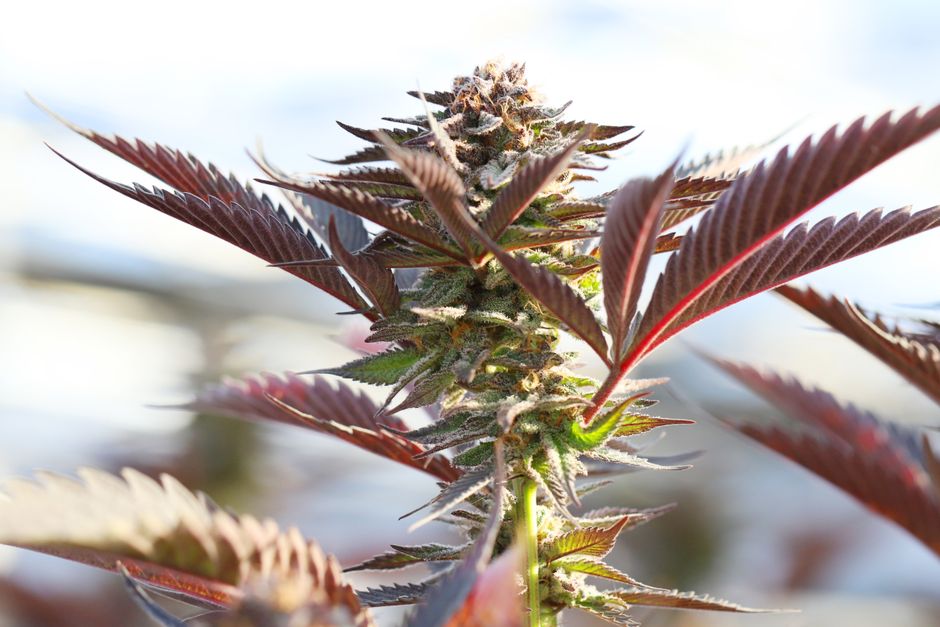
Practices and claims are not interchangeable
Sustainable agriculture is not one single farming method. In cannabis, it includes decisions about soil fertility, crop nutrients, pest management, water use, harvest handling, and how clearly a grower can connect a finished product to its cultivation. A useful description names practices; a broad claim without details gives shoppers little to compare.
At Trinity Growers Co., the confirmed foundation is specific: our family-owned micro grow farm is in Trinity County, California, and our estate-grown cannabis is produced without pesticides or synthetic fertilizers. We do not treat those facts as proof that every possible environmental measure is in place. They are the cultivation commitments we can state directly.
California’s OCal standard offers a practical example of how soil fertility can be addressed. According to Cal. Code Regs. Tit. 3, § 10203 – Soil Fertility and Crop Nutrient Management Practice Standard, a cultivator shall manage crop nutrients and soil fertility through rotations, cover crops, intercropping, alley cropping, hedgerows or the application of plant and animal materials. That rule describes permitted approaches under the standard; it does not establish which methods a particular farm uses.
A second distinction matters: organic cultivation language and formal certification are not automatically the same thing. The EU Commission states on its Organic farming page that the EU Organic Regulation (EU) 2018/848 has applied since 2022. That is an EU rule, not a statement about California cannabis certification, so shoppers should read the actual label and verify the scope of any certification claim.
What the product format changes
Flower gives consumers the most direct view of the cultivated plant, while an edible includes additional ingredients and processing. A vape cartridge adds another formulation and hardware context. A responsible comparison considers the farm’s cultivation story alongside the finished product’s own label and product information.
Our estate-grown cannabis page explains why origin matters to this approach. For a closer look at cultivation and quality considerations, see how we ensure quality in organic cannabis cultivation.
How to choose what fits your priorities

Start with the reason you are choosing organic
A cannabis enthusiast focused on flavor may prioritize flower origin, cultivar details, and how the grower describes the harvest. Someone seeking cannabis for personal wellness may put more weight on the product type, ingredients, and clear labeling. An eco-conscious shopper may want a direct account of pesticide and fertilizer choices, soil care, and whether a claim is farm-specific or certified.
Foodies considering edibles should treat cultivation and recipe as separate checks. A flower’s growing method does not tell you the edible’s full ingredient list, texture, or serving information. Read the packaging for those details, and compare the finished product rather than transferring assumptions from the cannabis source to the recipe.
For cartridges, look for clear product information about the cannabis source and formulation. The phrase “organic cannabis” alone does not explain every ingredient or the components of the device. If those details are missing, the sustainability claim is not enough to answer a product-specific question.
The word “hemp” can also cause confusion. The European Commission’s Hemp page states that the variety of hemp being cultivated must have a THC content below 0.3%. That fact concerns the hemp variety described by the EU source; it should not be used to infer the THC content of a cannabis product or to substitute for its label.
Use these checks when comparing options:
- Origin: Is the cannabis estate-grown, and does the seller identify where it was cultivated?
- Growing inputs: Does the description specifically address pesticides and synthetic fertilizers, rather than relying only on the word “natural”?
- Certification: Is a certification named on the package, and is its scope clear? Do not assume that a cultivation claim equals certification.
- Finished product: For edibles and cartridges, does the product information answer questions about ingredients and formulation?
- Traceability: Can the seller explain which details apply to the farm and which apply to processing or the finished product?
Pro Tip: If a product description says “organic,” check whether it identifies a certification or describes the farm’s growing practices. Those are different kinds of information, and the distinction is especially useful when comparing flower with processed products.
What the process looks like once you decide
A practical shopper’s sequence
Choosing a cannabis product sustainably does not require guessing at a farm’s entire operation. Move from your intended use to the cultivation claim, then check the information that applies to the actual item you plan to buy.
- Choose the format: Decide whether flower, an edible, or a vape cartridge fits your preference. The product format determines which label details matter most.
- Identify your priority: Write down whether your main concern is estate-grown origin, avoiding pesticides and synthetic fertilizers, a particular product format, or ingredient transparency. A clear priority keeps a broad sustainability claim from doing too much work.
- Read the product information: Check the package and product description for source, ingredients, and any stated certification. For an edible, focus on the finished ingredient list; for a cartridge, look for formulation details as well as cultivation information.
- Separate farm practices from standards: If a grower describes soil or nutrient management, ask whether that is a practice at the farm or a requirement of a named program. California’s soil standard lists options, but the listed options should not be mistaken for a farm-specific inventory.
- Check traceability and handling: Confirm that the product information connects the item to its source and that any claims are specific to that item. California’s inspection rule describes access for certified operations, not a blanket certification claim for every cannabis farm.
- Compare like with like: Compare flower with flower, and processed products with products of the same type. That avoids treating cultivation details as though they answered questions about an edible recipe or cartridge formulation.
California’s Cal. Code Regs. Tit. 3, § 10711 – Inspection, Testing, and Reporting states that a certified operation shall make all agricultural inputs, cannabis waste or cannabis that is to be sold, labeled, or represented as OCal accessible for examination and sampling by the department or the certified operation’s registered certifying agent. This applies to certified operations and should not be read as proof that a particular farm holds that certification.
Pro Tip: Keep the package or product page available while comparing products. It lets you match the ingredient and formulation information to the exact edible or cartridge, instead of relying on a general description of the farm.
For another perspective on how cultivation choices relate to consumer experience, explore the flavor profiles of Trinity Growers Co. organic cannabis strains.
Our perspective
Clear claims matter more than big claims
We are a family-owned micro grow farm in Trinity County, and we focus on estate-grown cannabis produced without pesticides or synthetic fertilizers. Since 2016, our commitment has been to sustainable farming, product quality, and customer satisfaction. We believe a useful cultivation conversation should start with what is actually grown and how the farm describes its approach, not with a sweeping promise that cannot be checked.
We would avoid treating “organic” as a shortcut for every question a shopper has. It does not, on its own, tell someone what is in an edible, explain a vape cartridge’s formulation, or establish a specific certification. Those details belong to the product and its documentation.
We also would not suggest that every cultivation practice fits every farm; soil, site conditions, and the standards a grower follows shape the choices available.
Our approach to quality in organic cannabis cultivation reflects the value we place on careful cultivation and clear expectations. We want people to be able to distinguish our stated growing commitments from claims that require separate product or certification information.
When to bring in a professional
Get specific before you buy or cultivate
Bring in a qualified cannabis retailer, cultivator, or relevant compliance specialist when you need help interpreting a certification label, evaluating a product for a particular use, or understanding which rules apply to a cultivation or sales decision. Medical needs deserve guidance from an appropriate healthcare professional; a farm’s sustainability practices cannot determine whether cannabis is suitable for an individual’s health situation.
For a first product conversation, have the package or product-page details ready. Note the format, the exact claim you want clarified, and whether your question concerns cultivation, ingredients, certification, or product use. A good provider should explain what is known, identify what the claim does not cover, and distinguish a farm practice from a formal standard.
If the answer blurs those categories or promises a health outcome, treat that as a reason to pause.
Frequently asked questions
What does sustainable cannabis farming mean?
Sustainable cannabis farming describes cultivation choices intended to support responsible production, including decisions about soil fertility, crop nutrients, pest management, and inputs. The phrase alone does not tell you which methods a farm uses or whether it holds a certification. For a useful comparison, look for named practices and product-specific information. Trinity Growers Co. states that its estate-grown cannabis is produced without pesticides or synthetic fertilizers.
Is Trinity Growers Co. cannabis estate-grown?
Yes. Trinity Growers Co. is a family-owned micro grow farm in Trinity County, California, and describes its cannabis as estate-grown. That connects the product to the farm where it is cultivated. Estate-grown is an origin description, not a certification by itself, so shoppers who need a particular certification should look for the relevant claim and scope on the product information.
Does organic cannabis mean the product is certified?
Not necessarily. “Organic” can describe a growing approach, while a formal certification is a separate claim with a defined standard and scope. Do not infer certification from the word alone. Check the package and ask what program, if any, applies to that exact product. Also keep regional rules in context: an EU organic regulation does not establish a California cannabis product’s certification status.
How should I compare organic cannabis flower and edibles?
Start with the cultivation information for the cannabis source, then evaluate the finished edible separately. The farm’s pesticide and fertilizer practices do not describe every ingredient in a food product or how it was formulated. Read the edible’s product information for ingredients and serving details, and compare it with other edibles rather than assuming the flower’s cultivation story answers every question about the recipe.
What should I look for in an organic vape cartridge?
Check what the product information says about the cannabis source and the cartridge’s formulation. Cultivation claims address how the plant was grown; they do not automatically describe every ingredient or the cartridge hardware. If the source or formulation is unclear, do not fill in the gaps based on the word “organic.” Ask a knowledgeable seller to distinguish what is documented from what is not stated.
How Trinity Growers Co. supports mindful cannabis choices
Farm-grown products and clear context
Trinity Growers Co. focuses on organic cannabis products from a family-owned micro grow farm in Trinity County. Our cultivation approach is estate-grown, without pesticides or synthetic fertilizers. The products we offer include cannabis and formats that bring different questions about sourcing and finished-product information.
- Cannabis cultivation: Estate-grown cannabis with a stated commitment to avoiding pesticides and synthetic fertilizers.
- Organic cannabis sales: Products for consumers seeking cannabis options rooted in our farm’s stated approach.
- Edibles and vape cartridges: Product formats where shoppers should consider finished-product details alongside cultivation information.
Ready to explore our farm-grown options? Browse Trinity Growers Co. products.
Conclusion
The most useful next step in evaluating sustainable farming Trinity Growers Co. is to match a specific product to the claims that actually apply to it. Start with the farm’s stated commitments: Trinity Growers Co. is a family-owned micro grow farm in Trinity County, cultivating estate-grown cannabis without pesticides or synthetic fertilizers. Then check the package for certification details, ingredients, or formulation information that goes beyond cultivation.
That distinction helps organic-minded shoppers compare products without assuming that one label answers every question. If you are considering flower, an edible, or a vape cartridge, begin with the product information and ask about the exact detail you need clarified. Connect with Trinity Growers Co. to explore our organic cannabis products.