
The Unique Flavor Profiles of Trinity Growers Co. Organic Cannabis Strains
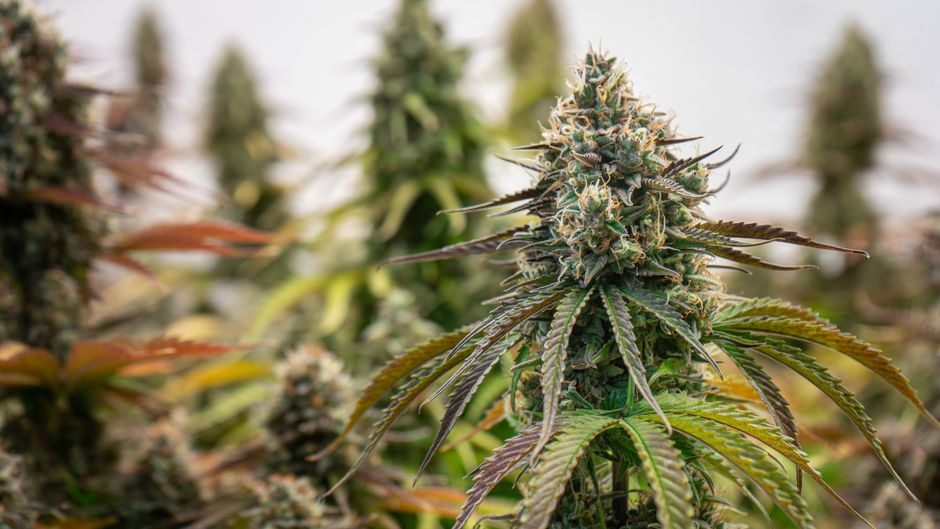
Trinity Growers Co. organic cannabis strains express flavor through the combined influence of cultivar genetics, growing conditions, harvest timing, curing, and how the flower is enjoyed. For people seeking organic options, the tasting experience is also a chance to learn how estate-grown practices relate to aroma and texture, without assuming that every batch tastes identical.
At Trinity Growers Co., our family-owned micro grow farm in Trinity County, California, has focused on pesticide-free cultivation without synthetic fertilizers since 2016. Flavor descriptions are useful guides, not guarantees: the cultivar, batch, storage, and product format all matter.
TL;DR
- Start with aroma: Smell the flower before choosing, because citrus, fruit, floral, and earthy notes can help narrow your flavor preferences.
- Read the product format: Flower, rosin, edibles, and vape cartridges deliver flavor differently, so compare like with like.
- Look beyond potency: A higher THC figure does not describe a strain’s taste or aroma.
- Check the batch: Harvest, cure, storage, and freshness affect what you experience from the same cultivar.
Key takeaways
Flavor is a useful way to compare cannabis, but a strain name or tasting note is a guide rather than a promise of an identical experience.
A practical flavor reference
How cannabis flavor profiles differ

Genetics set a starting point, not a script
A cannabis strain, also called a cultivar, is a particular genetic line. Its inherited traits influence the plant’s characteristic aroma and the kinds of flavor notes people may notice. A citrus-forward profile, for example, is a useful way to describe an impression, not a guarantee that every flower from that cultivar will have the same intensity or balance.
Aroma comes from a mix of volatile compounds, including terpenes, and from the plant’s broader chemical composition. Consumers often use terms such as fruity, piney, floral, herbal, peppery, or earthy to describe what they smell and taste. These words help compare products, but they are sensory shorthand rather than a complete chemical analysis.
For a more useful comparison, note both the first aroma and what remains after a few moments. A jar might open with a sweet fruit impression, then reveal a herbal or woody note. That change is part of the profile, and it is easy to miss if you only compare strain names.
Cultivation and post-harvest handling matter
Genetics do not act alone. Light, plant health, harvest timing, drying, curing, and storage all affect the aroma that reaches the consumer. At our Trinity County farm, we focus on estate-grown cannabis and sustainable practices. Our cultivation is pesticide-free and uses no synthetic fertilizers; that is a description of our approach, not a claim of third-party organic certification.
Drying too quickly or storing flower in heat, light, or open air can diminish its aroma. A careful cure gives flower time to settle after drying, while a sealed container helps limit exposure during storage. For shoppers, the practical lesson is simple: ask about the batch and keep the package sealed between uses rather than treating cultivar names as a substitute for freshness.
Our guide to the unique strains of organic cannabis offers more context for comparing cultivar characteristics. The selection changes, so check current product details rather than assuming a particular strain is available.
According to Cal. Code Regs. Tit. 4, § 16202 – General Cultivation Requirements, artificial lighting is permissible only to maintain immature plants outside the canopy area. That specific California cultivation rule is one example of why production details should be described precisely rather than generalized across farms.
Product format changes what you taste
Flower, rosin, vape cartridges, and edibles do not present flavor in the same way. Flower offers aroma before use and flavor during use. Rosin is a concentrate, so its character comes through in a different form and should not be compared directly with a flower jar. A cartridge’s formulation and hardware influence the experience, while an edible’s food ingredients can lead the flavor.
The names of our Amarelo organic rosin and Honey Banana organic rosin give shoppers a starting point for exploring our rosin offerings. A product name alone does not establish a precise tasting note, and individual perception varies. Check the product description and current batch information before deciding what suits your palate.
How to choose a strain for your palate
Use sensory preferences as decision criteria
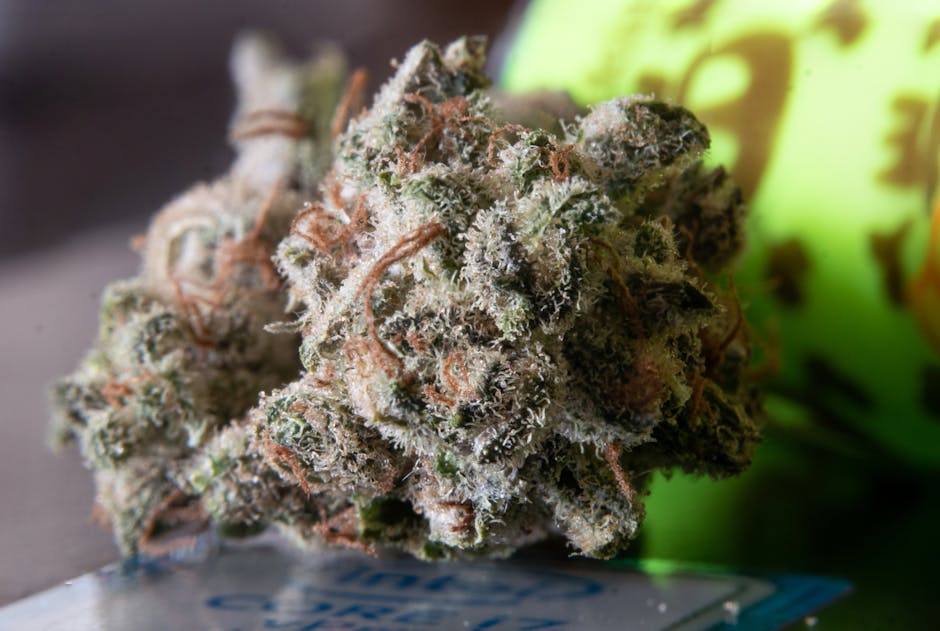
Start with flavors you already recognize. If you enjoy citrus peel, fresh herbs, or ripe fruit in food, those references can help you describe a cannabis aroma you might enjoy. They are not a promise that a strain will taste exactly like a familiar ingredient. Keep the terms broad at first, then refine them after comparing products.
For example, a shopper who likes crisp, bright aromas might look for citrus or pine descriptions, while someone who prefers deeper scents might compare earthy or woody notes. If sweet profiles appeal, separate the cannabis aroma from any added flavor in an edible. That distinction matters to foodies who want to know whether a candy tastes fruity because of its recipe, its cannabis ingredients, or both.
A product’s THC percentage is not a flavor score. Potency and taste answer different questions. If medicinal use is part of your decision, keep the flavor conversation separate from questions about dose, effects, and suitability. Product response varies among individuals, and a flavor description cannot establish a medical benefit.
Pro Tip: Write down the aroma you notice before reading the package description. It helps you compare your own impressions across batches instead of letting the strain name lead your expectations.
Check evidence and label details
A useful label or product page should help you identify the product type and relevant batch information. If you are comparing flower, check that you are looking at flower details rather than assuming a rosin or edible description tells you what the original flower tastes like. If you cannot find the information that matters to your choice, pause rather than filling gaps with assumptions.
In California, the rules for different license types and activities are specific. According to Cal. Code Regs. Tit. 4, § 16303 – Cultivation Requirements for Processor Licensees, cultivation of cannabis plants is prohibited at a licensed processor premises. That distinction illustrates why shoppers should not assume every step occurs at one facility or under one license.
Rules also differ by jurisdiction. According to RCW 15.125.030: Cannabis and cannabis products, Production and processing, no cannabis or cannabis product may be labeled, sold, or represented as produced or processed under the standards established under that chapter unless produced or processed by a person certified by the department under the program established under that chapter. This is a Washington rule, not a statement about California certification or Trinity Growers Co.
When reading any “organic” claim, distinguish the farm’s stated cultivation approach from a formal certification. We describe our cultivation as pesticide-free and without synthetic fertilizers. Do not infer a certification that a product page or label does not state.
Compare in small, purposeful steps
Rather than buying several products based only on names, compare one product type and one flavor direction at a time. That makes differences easier to notice and avoids mixing the taste of flower with the food ingredients in an edible. If you are new to cannabis, prioritize legal age, product labeling, and responsible use over experimentation.
- For flower: Compare aroma, freshness, and the available batch details before weighing strain names.
- For rosin: Treat the concentrate as its own product and consult its description rather than assuming flower notes transfer exactly.
- For edibles: Check the ingredient list and flavor description, then distinguish confectionery taste from cannabis character.
- For cartridges: Consider the stated product type and formulation, since hardware and extract format affect flavor.
- For medicinal use: Discuss dosing and suitability with a qualified healthcare professional, especially if you take other medication or have a health condition.
What the process looks like once you decide
A step-by-step way to assess a product
- Set your flavor direction: Choose two or three words, such as citrus, floral, earthy, or sweet, that describe what you actually enjoy. This gives you a clearer starting point than choosing by strain name alone.
- Choose one product format: Decide whether you are comparing flower, rosin, a vape cartridge, or an edible. Different formats introduce different ingredients and sensory cues, so keep the comparison fair.
- Read the current listing: Confirm the product type and review the product’s available description and batch details. Do not assume a name or a photo confirms freshness, potency, or a precise flavor.
- Check the source and cultivation description: Look for clear statements about where and how the cannabis was grown. Trinity Growers Co. describes its cannabis as estate grown, pesticide-free, and cultivated without synthetic fertilizers.
- Consider handling and storage: Once purchased legally, keep flower sealed and away from heat, direct light, and excess air. For edibles, follow the product’s storage instructions and keep them securely away from children and pets.
- Make notes after use: Record the aroma, the flavors you noticed, and whether the product format affected the experience. Those notes are more useful for your next comparison than a vague memory of a strain name.
Pro Tip: For a fair flower comparison, smell both products under similar conditions and use the same simple vocabulary. Comparing a freshly opened jar with an older, loosely stored one tells you as much about storage as it does about cultivar.
A good process also respects local rules and product categories. The California regulation on live plants addresses retailers specifically: according to Cal. Code Regs. Tit. 4, § 15408 – Sale of Live Plants and Seeds, a licensed retailer shall not apply or use any pesticide, on live plants. This is a narrow rule about live plants at licensed retail, not a description of how a farm cultivates its crop.
Similarly, the number of cultivars a farm grows is not a shortcut for judging flavor quality. According to N.J. Admin. Code § 17:30-10.2 – Cannabis cultivator authorized conduct; prohibitions, a cannabis cultivator shall not be limited in the number of strains/cultivars of cannabis cultivated. That New Jersey provision does not set California rules, and cultivar count by itself does not tell a shopper how a product tastes.
Our perspective on flavor and cultivation
Be specific about what the label can tell you
We grow cannabis on our family-owned micro farm in Trinity County, California, and have focused on sustainable farming practices since 2016. Our approach is estate grown, pesticide-free, and without synthetic fertilizers. We believe those details belong in the conversation, but they should not be stretched into claims we cannot support, such as guaranteed flavor, uniform effects, or an unstated certification.
Flavor is personal and batch-dependent. We would avoid choosing a product solely because a strain name sounds familiar or because a label uses a tempting fruit description. A strain name can help you begin a comparison, but aroma, product format, handling, and your own sensory preferences all matter.
Our estate-grown cannabis approach is relevant for shoppers who want to understand where cultivation fits into the product story. We encourage people to read the current product information, compare like formats, and be candid about what a description can and cannot establish. That is especially useful for consumers who want an organic option but also care about transparent sourcing.
When to bring in a professional
Get help when the decision involves more than taste
A knowledgeable cannabis retailer or qualified healthcare professional is the right resource when you need help interpreting product labels, choosing a format, or separating a flavor preference from a medicinal question. If you use cannabis for a health-related reason, bring a list of medications, relevant health conditions, the product type you are considering, and any questions about dose or timing to a clinician. Flavor notes cannot answer those questions.
For cultivation or processing claims, a knowledgeable provider should be able to explain what is meant by estate grown, how a product format differs from flower, and which batch information is available. They should distinguish a farm’s pesticide-free practices from formal certification rather than treating the terms as interchangeable. They should also explain what a strain description represents and where individual variation begins.
If a provider cannot identify the product type, explain the limits of a flavor claim, or clarify whether an organic statement refers to cultivation practices or certification, treat that as a reason to slow down. The best first conversation is focused: bring the product name, your preferred flavor direction, and the specific uncertainty you need resolved.
FAQ about organic cannabis flavor
Do organic cannabis strains taste different from conventional cannabis?
“Organic” by itself does not specify a flavor. Genetics, harvest, drying, curing, storage, and product format all influence what a consumer smells and tastes. Trinity Growers Co. describes its farming as pesticide-free and without synthetic fertilizers, but that cultivation description does not establish a guaranteed taste or a third-party certification. Compare the product’s actual aroma and current details rather than assuming that an organic claim predicts a particular profile.
What causes the flavor differences between cannabis strains?
Genetic traits influence a cultivar’s aromatic character, while growing and post-harvest conditions affect the expression that reaches the consumer. Terpenes are among the compounds associated with aroma, but a single terpene or strain name does not tell the whole story. Drying, curing, storage, and age matter too. That is why two products with similar names can still present different intensity or balance, and why batch details are useful.
Are strain names reliable guides to flavor?
Strain names can be a convenient starting point, but they are not a complete sensory description or a guarantee that every batch tastes the same. Names such as Honey Banana suggest a direction to investigate, not a verified tasting note for every product. Read the current listing, check the product format, and compare the aroma where that is possible.
Keep your own notes so your next choice reflects what you actually enjoyed.
Does a stronger cannabis product have more flavor?
No. A potency figure describes cannabinoid content as presented for that product; it is not a measure of aroma, taste, or flavor quality. A flower with a lower stated THC value can still have an aroma you prefer, and a concentrate can taste different from the flower it came from. Choose potency and flavor as separate criteria, and follow the product label and local rules for responsible use.
How should I store cannabis to preserve its aroma?
Keep flower in its original sealed packaging or another suitable airtight container, away from heat, direct sunlight, and excess air. Avoid leaving a jar open while you compare products, since repeated exposure can affect freshness and aroma. Follow the product’s own storage instructions for concentrates, cartridges, and edibles because their formats differ.
Keep all cannabis products secured away from children and pets, and do not rely on smell alone to judge product condition.
How Trinity Growers Co. helps you explore flavor
Organic products with a farm-to-product point of view
Trinity Growers Co. is a family-owned micro grow farm in Trinity County, California, dedicated to high-quality organic cannabis. Our focus on estate-grown cultivation, sustainable farming, and avoiding pesticides and synthetic fertilizers gives shoppers useful context as they compare products. Flavor still varies by cultivar, batch, and format, so we encourage you to use product details as a starting point and make choices that fit your own preferences.
Our offerings relevant to flavor exploration include:
- Cannabis cultivation: Estate-grown cultivation with a focus on sustainable practices.
- Organic cannabis sales: Products for adults seeking cannabis options with clearly described cultivation practices.
- Rosin and other formats: Compare available product descriptions without assuming flower and concentrate taste alike.
- Edibles and vape cartridges: Consider the recipe or formulation as well as the cannabis ingredients when comparing flavor.
Ready to compare current options with our team? Talk with Trinity Growers Co. about organic cannabis.
Conclusion
Start with your palate, then verify the product
The most useful way to explore Trinity Growers Co. organic cannabis strains is to begin with the aromas you enjoy, choose one product format, and check the current product details before buying. Strain names and flavor words are helpful clues, but neither replaces batch information or your own experience. Keep flavor separate from potency and from medical questions, and be precise about what “organic” means in a product description.
For a first comparison, pick one profile you already like, such as citrus, floral, sweet, or earthy, then look for a product in the format you actually plan to use. That simple next step makes the tasting more meaningful and gives you a clear basis for comparing future batches.
Sources
- Cal. Code Regs. Tit. 4, § 16303 – Cultivation Requirements for Processor Licensees
- Cal. Code Regs. Tit. 4, § 16202 – General Cultivation Requirements
- Cal. Code Regs. Tit. 4, § 15408 – Sale of Live Plants and Seeds
- RCW 15.125.030: Cannabis and cannabis products—Production and processing
- N.J. Admin. Code § 17:30-10.2 – Cannabis cultivator authorized conduct; prohibitions