
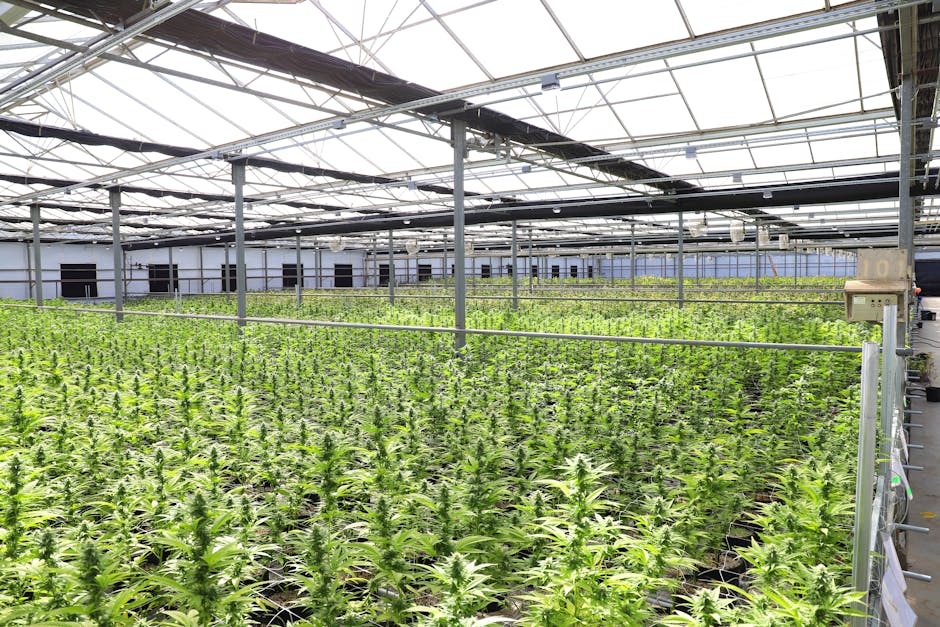
The future of organic cannabis at Trinity Growers Co. is rooted in careful cultivation, transparent choices, and products made with attention to their source. For people comparing flower, edibles, or vape cartridges, “organic” is most useful when it describes specific growing practices, not a promise of a particular effect. Our family-owned micro grow farm in Trinity County, California, has focused on pesticide-free cultivation without synthetic fertilizers since 2016.
As cannabis trends and consumer expectations change, the practical questions stay familiar: how was it grown, how is it processed, and which format fits your needs?
TL;DR
- Start with cultivation: Look for clear information about pesticide use, synthetic fertilizers, and where the cannabis was grown.
- Match the format to the occasion: Flower, edibles, and vape cartridges differ in onset, duration, and how much control a consumer has over use.
- Check the ingredient story: For edibles, review the full ingredient list and serving information rather than judging by flavor or packaging alone.
- Treat organic as a practice: Ask what the grower does on the farm; do not assume the word guarantees certification or a specific health outcome.
Key takeaways
Organic cannabis is shaped by cultivation choices, careful processing, and a product format that suits the consumer, while clear sourcing matters more than broad claims.
The future of organic cannabis at Trinity Growers Co.

What organic means in the grow
Organic cannabis is cannabis cultivated with practices intended to avoid pesticides and synthetic fertilizers. It describes choices made throughout cultivation, not a guarantee that every product has an official organic certification or a particular effect. That distinction matters to shoppers who want a more considered source and need accurate product information.
At Trinity Growers Co., cannabis is estate grown at our family-owned micro grow farm in Trinity County. We focus on sustainable farming practices and grow without pesticides or synthetic fertilizers. In practical terms, a grower has to pay attention to the entire cultivation environment: the condition of the growing area, plant health, watering, and the inputs used as plants develop.
Preventive observation is especially useful because avoiding synthetic treatments means growers need to identify problems early and respond with practices consistent with their approach.
A plant’s condition is not judged by one visual cue. Growers watch for changes in leaves, stems, and overall vigor, then consider whether the pattern points to watering, environmental stress, or a pest concern. Careful recordkeeping helps connect those observations to cultivation decisions. For consumers, the useful question is not simply whether a product looks clean; it is whether the grower can explain the farming practices behind it.
Public and private investments in alternative food production systems have increased in recent years, according to the USDA Economic Research Service report on controlled environment agriculture and agrivoltaics. That fact does not predict a specific cannabis technology or guarantee that a new system is more sustainable. It does show why growers and consumers are paying closer attention to how production methods are designed and what tradeoffs they involve.
From cultivation choices to the finished product
The growing method is only one part of a product’s story. Harvest timing, drying, curing, and handling influence the finished flower, while edibles and vape cartridges involve additional processing. Each step calls for care: rushed drying can affect the flower’s character, and unclear ingredient or product information makes it harder for a buyer to choose confidently.
Our overview of why organic cannabis is better explains the cultivation values behind our approach. The broader point is simple: organic practices should be discussed in concrete terms, not used as shorthand for “risk-free,” “more potent,” or “medicinally effective.” Those claims go beyond what a growing method alone can establish.
What affects the result, timing, and cost
Factors behind a consistent product
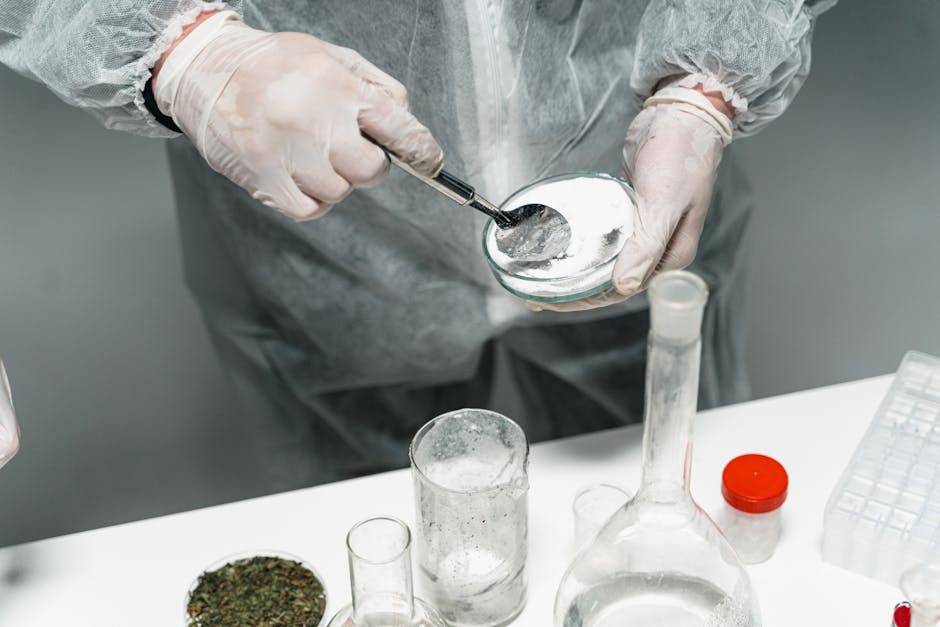
Cannabis is an agricultural crop, so conditions in the grow influence how plants develop. Genetics, the growing environment, plant health, and cultivation decisions all contribute to variation between harvests. A responsible grower does not treat every plant or crop cycle as interchangeable. The practical aim is to monitor conditions and make decisions that support healthy plants while staying consistent with the farm’s pesticide-free and no-synthetic-fertilizer practices.
Time is another factor. Plants need time to mature, and harvested flower needs appropriate drying and curing before it is ready for sale. Processing adds steps for products such as edibles and vape cartridges. A buyer should be wary of claims that suggest these stages can be rushed without consequences. The finished product’s texture, aroma, flavor, and usability depend on the material and the way it is handled.
Cost reflects more than the cannabis itself. Small-scale cultivation, labor-intensive plant care, careful post-harvest handling, and product processing all require resources. Organic practices should not be used to justify an unexplained premium, but a low price alone also tells you little about how the crop was grown. Compare the product format, available sourcing details, ingredients, and serving information before deciding what represents value for you.
In California, the Department of Cannabis Control provides its industry condition report pursuant to California Revenue and Taxation Code Division 2, Part 14.5, Chapter 3, Section 34020.1, as mandated by Assembly Bill 195, according to the Department of Cannabis Control report page. The report’s existence is a reminder that the regulated market has state-level oversight and reporting requirements. It is not, by itself, evidence that a particular product is organic or that it suits an individual consumer.
Pro Tip: Compare products by format and the information available about them, not by a single “organic” label. For an edible, that means reading ingredients and serving details; for flower, start with the grower’s account of cultivation and handling.
Consumer expectations are changing the questions
People looking for organic options often want more than a strain name. They want to understand where a product came from, whether pesticides or synthetic fertilizers were used, and what distinguishes one format from another. Medical cannabis consumers may also need to consider consistency and how a product fits a care plan, without treating cultivation claims as a substitute for medical guidance.
Food-focused consumers have their own practical concerns: flavor, texture, ingredients, and clear serving information. A cannabis edible is both a cannabis product and a prepared food, so the ingredient list deserves attention. Our guide to the process behind crafting organic edibles offers more context on the care involved in that format. Better product information helps people compare options, but it cannot predict an individual response.
A checklist before choosing an organic cannabis product
Questions worth answering first
Use this checklist before buying flower, an edible, or a vape cartridge. It helps separate useful product details from claims that do not tell you how the cannabis was grown or processed.
- Ask what “organic” means here: Find out whether the grower is describing pesticide-free and no-synthetic-fertilizer practices, a certification, or something else. Do not assume those terms mean the same thing.
- Check the source: Look for a clear account of where the cannabis was cultivated. For estate-grown flower, ask whether the product came from the farm named on its label or product information.
- Match product to purpose: Consider whether you prefer flower, an edible, or a vape cartridge. Each format involves a different way of using cannabis and has different practical considerations.
- Read edible details carefully: Review the ingredient list and serving information before choosing a flavor. Keep the package’s instructions in view rather than estimating a serving by appearance.
- Inspect vape cartridge information: Look for clear information about the cartridge’s contents and product type. A flavor or strain name alone does not explain the full product composition.
- Consider your own experience: If you are new to cannabis, returning after a break, or trying a new format, avoid assuming that a familiar strain name means a familiar response.
- Separate cultivation from medical claims: A pesticide-free growing approach does not establish that a product treats a condition. If cannabis is part of a medical care plan, discuss product choices with your healthcare professional.
- Check storage and packaging: Follow the product’s storage directions and keep cannabis products secured away from children and pets. Edibles can resemble ordinary food, which makes clear, careful storage especially important.
Pro Tip: For a first comparison, write down the product format, cultivation information, ingredients if applicable, and the question you still have. That short record makes it easier to compare products without relying on packaging language alone.
What to avoid during the comparison
- Choosing by appearance alone: Color, trichomes, or a strong aroma cannot verify a farm’s cultivation inputs or explain the full handling history.
- Treating “natural” as a complete answer: Ask what practices the term refers to; it does not automatically identify an ingredient, certification, or growing method.
- Assuming all formats work alike: Edibles, flower, and cartridges differ in use and timing. Do not transfer expectations from one format to another.
- Buying a medical claim: A product description cannot replace individualized medical advice or guarantee a health result.
Our perspective
Why we keep the conversation practical
We are a family-owned micro grow farm in Trinity County, and our work has centered on high-quality organic cannabis and sustainable farming practices since 2016. We grow without pesticides or synthetic fertilizers. For us, the future of organic cannabis Trinity Growers Co. supports is not a promise that every new trend improves a product.
It is a reason to stay specific about cultivation and honest about what growing practices can and cannot tell a customer.
We would encourage consumers to ask how a grower approaches plant health, what inputs are avoided, and how flower is handled after harvest. We would avoid suggesting that “organic” guarantees potency, safety, or a medical outcome. Those conclusions cannot be made from a cultivation description alone. The same care applies to edibles: ingredients and serving information matter alongside the source of the cannabis.
Advice that treats one format as right for everyone misses the point. Some shoppers want flower and a clear origin story; others prioritize an edible or a cartridge. The right comparison starts with the person’s preferences and the product’s actual information, not a trend label. Our guide to choosing an organic cannabis strain can help readers think through strain selection without assuming that a name predicts an identical experience.
When to bring in a professional
Situations that deserve specialist input
Bring a qualified healthcare professional into the conversation when cannabis is being considered for a health condition, when you take other medications, or when a change in product or format raises medical questions. A cultivation team can explain farming practices and product formats, but it cannot determine how cannabis fits your personal care plan.
For product questions, speak with a knowledgeable cannabis retailer or the product’s producer if sourcing details, ingredients, or use instructions are unclear. Prepare the product name, format, label information, and the specific point you cannot verify. A good provider should be able to distinguish cultivation facts from marketing language, explain what information is available, and say plainly when an answer is not known.
If you are comparing organic claims, ask what the claim means in practice and whether it refers to farm methods or a formal certification. For an edible, bring the ingredient and serving details into the discussion. For a cartridge, ask what the product contains rather than relying on a strain or flavor description.
Specialist input is valuable when the question concerns medical use, unclear product contents, or a claim that cannot be checked from the label.
FAQ
What does organic cannabis mean?
Organic cannabis generally refers to cannabis grown using practices that avoid certain synthetic agricultural inputs, but the term alone does not tell you whether a product has formal organic certification. Ask the grower to describe its actual practices, including pesticide use and synthetic fertilizers. At Trinity Growers Co., our stated approach is estate-grown cannabis without pesticides or synthetic fertilizers, using sustainable farming practices.
Is organic cannabis automatically safer or more effective?
No. A cultivation method does not establish that a cannabis product is free of every possible risk, nor does it prove that the product will be effective for a medical condition. Organic practices can help consumers understand how a crop was grown, which is useful information, but it is only one part of evaluating a product. Consider the format, ingredients, instructions, and your personal circumstances as well.
What should I look for when choosing an organic cannabis strain?
Start with information the grower can explain: the source of the flower, its cultivation approach, and available details about the product. Then consider your own preferences, such as aroma, flavor, and whether you plan to use flower or another format. A strain name does not guarantee the same experience from every product or for every person. Our strain-selection guide provides a focused way to compare those factors.
Are organic cannabis edibles different from organic flower?
Yes. Flower is harvested cannabis, while an edible is a prepared product with additional ingredients and processing. When choosing an edible, read the ingredient list and serving information, and follow the product directions. Flavor alone does not tell you how much cannabis a serving contains or how you will respond. For more detail on preparation, see our guide to crafting organic edibles.
How do I compare a vape cartridge with flower?
Compare the formats based on how they are used and what product information is available. Flower lets you assess the source and the plant material directly, while a cartridge is a processed, ready-to-use format. For a cartridge, look for clear details about what it contains; do not infer its composition from a strain or flavor name. Neither format is automatically the right choice for every consumer.
Does Trinity Growers Co. use pesticides or synthetic fertilizers?
Trinity Growers Co. describes its cannabis as estate grown without pesticides or synthetic fertilizers. The farm is family-owned, located in Trinity County, California, and focused on sustainable farming practices. If you are comparing a specific product, review its available product information as well as the farm’s cultivation description. These practices explain how the crop is grown, but they do not constitute a medical claim or guarantee a particular consumer experience.
How Trinity Growers Co. supports thoughtful product choices
Farm practices and formats in one conversation
We focus on organic cannabis cultivation and products for consumers who care about sourcing, quality, and the way a product fits their preferences. Our estate-grown approach is based in Trinity County, where our family-owned micro grow farm has worked without pesticides or synthetic fertilizers since 2016. We offer cannabis products in different formats, and each calls for a different set of questions from the buyer.
- Cannabis cultivation: Our farming approach centers on sustainable practices and careful attention to the crop.
- Organic cannabis sales: Consumers can look for products that reflect our cultivation values and ask questions about their source.
- Edibles and vape cartridges: These formats give shoppers alternatives to flower, with product-specific ingredients or contents to consider.
Choose based on the product details that matter to you, not on a broad promise about what organic cannabis will do. Ready to explore our products and approach? Connect with Trinity Growers Co.
Conclusion
Take the next step with better questions
The future of organic cannabis Trinity Growers Co. believes in starts with practical transparency: know where the cannabis was grown, what cultivation practices the farm uses, and how the product was handled or prepared. Trends in product formats and farming systems will continue to draw attention, but a useful choice still comes down to details you can verify and a format that fits your needs.
Before your next purchase, choose one priority: cultivation inputs, edible ingredients, cartridge contents, or strain preferences. Check that information first, and keep medical decisions separate from marketing claims. That single habit makes it easier to compare organic cannabis thoughtfully and choose a product for the right reasons.