

To choose an organic cannabis edible, compare its THC per serving, ingredient list, serving format, and the grower’s cultivation practices before deciding whether it fits your needs. That checklist helps experienced cannabis consumers assess quality while helping first-time edible shoppers avoid guessing from flavor or package size alone. For patients, the product’s label and a clinician’s guidance matter more than a general recommendation; for food-focused shoppers, ingredients and flavor deserve a closer look.
TL;DR
- Check THC per serving: California rules cap an edible at 10 milligrams of THC per serving and 100 milligrams per package.
- Read the ingredient list: Confirm the food ingredients suit your dietary needs and preferences, not just the cannabis description.
- Look for clear labeling: Check the serving information, total THC, and cannabis-infused product identification.
- Verify the growing claim: Look for a clear description of farming practices rather than assuming “organic” means a particular certification.
Key takeaways
The right edible is the one whose labeled THC amount, ingredients, format, and cultivation information match your needs and comfort level.
A quick comparison before you choose
How to choose an organic cannabis edible by your needs
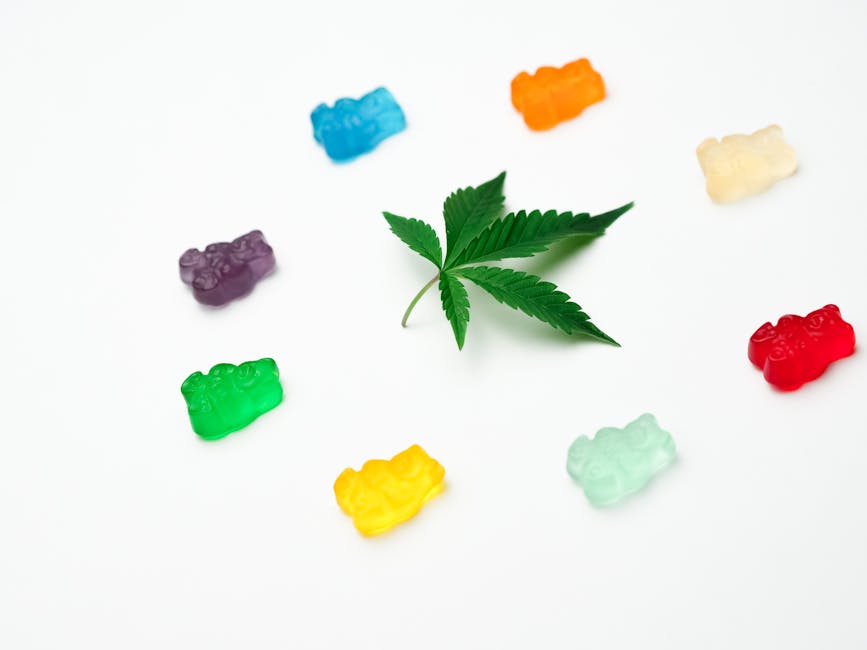
Compare the product formats and priorities
Organic cannabis edibles are not one uniform category. A portioned edible can make it easier to identify an individual serving, while a package with multiple servings may suit someone who wants to follow the label’s portioning directions. Neither format is automatically better. The useful question is whether the label makes the amount in each serving easy to understand.
For a patient exploring cannabis as part of a care plan, a predictable serving and complete label information should come before novelty. Edibles are not interchangeable with inhaled cannabis, and an edible’s suitability depends on the person, the product, and the clinician’s guidance. We do not treat an edible as a substitute for medical care or promise a particular effect.
Foodies often begin with flavor, texture, and ingredient preferences. That is a reasonable way to narrow the choices, provided the THC amount remains visible in the decision. Check the ingredient list for food allergens or ingredients you avoid, and do not infer that a product is suitable for a dietary pattern from its flavor name.
Cultivation practices are another point of comparison. At Trinity Growers Co., our family-owned micro grow farm in Trinity County, California, has focused on estate-grown cannabis without pesticides or synthetic fertilizers since 2016. Read our explanation of why organic cannabis is better for more context on the farming values behind that approach.
California sets a defined THC ceiling for edible products. According to Cal. Code Regs. Tit. 4, § 17304, THC Concentration Limits, an edible cannabis product shall not contain more than 10 milligrams THC per serving and 100 milligrams THC per package. Compare both figures on the package, not just the front-panel design.
Pick the priority that matters most
A quick way to narrow organic cannabis edibles is to rank your priorities: serving clarity, flavor and ingredients, or how the cannabis was cultivated. Then check the label and product information against that priority. Our overview of organic cannabis edibles can help you think through the category before reviewing current availability.
How to choose what fits your situation

Use these decision criteria
- Start with your reason for choosing an edible: Decide whether your main concern is a clearly defined serving, a food ingredient preference, or the cultivation approach. That keeps packaging artwork and flavor names from making the decision for you.
- Read THC per serving and per package: Confirm that both amounts are stated and understand how many servings the package contains. In California, the legal limits are 10 milligrams THC per serving and 100 milligrams THC per package, so use the label rather than estimating from appearance.
- Inspect the full ingredient list: Check for ingredients relevant to allergies, dietary choices, or taste preferences. California’s edible-product rules address ingredient eligibility: according to Cal. Code Regs. Tit. 4, § 17301, Additional Requirements for Edible Cannabis Products, except for cannabis, cannabis products, or terpenes, no ingredient or component shall be used in the manufacture of an edible cannabis product unless that ingredient or component is permitted by the United States Food and Drug Administration for use in food or food manufacturing.
- Look for an identifiable cannabis label: California requires a specific primary-panel statement. According to Cal. Code Regs. Tit. 4, § 17405, Additional Primary Panel Labeling Requirements: Edible Products, the words “cannabis-infused” or “cannabis infused” must appear immediately above the identity of the product in bold type and in a text size larger than the text size used for the identity of the product.
- Check what “organic” means in the product’s context: Ask which farming practices the claim describes and whether the grower explains them plainly. Our stated practices are estate growing without pesticides or synthetic fertilizers. Do not assume the word alone proves a particular third-party certification.
- Consider storage and household safety: Choose packaging you can store securely and follow its storage directions. Keep cannabis edibles away from children and pets, and do not leave them where a food package could be mistaken for an ordinary snack.
California regulators address both label accuracy and child-appealing presentation. The Department of Cannabis Control says license holders that provide false or misleading information on product labels may be subject to a compliance action, including a notice to comply and/or a citation and fine. Its guidance also says cannabis packaging must not imitate packaging used for products typically marketed to children, including designs, colors, shapes, or branding that resemble products marketed to people under 21.
Pro Tip: If the package gives a total THC amount but you cannot tell how that amount is divided into servings, pause and get the serving directions clarified before choosing it. Do not divide a piece by eye and treat that estimate as a confirmed dose.
What the process looks like once you decide
A practical purchase sequence
- Set your criteria first: Write down what matters most, such as a clearly listed serving, a particular ingredient profile, or cultivation without pesticides and synthetic fertilizers. This gives you a way to compare products without relying on a flavor description alone.
- Review current product information: Product availability and formulations can change, so check the details for the specific edible you are considering. Do not assume an older description or a familiar package means the current product has the same ingredients or THC information.
- Read the entire label: Find THC per serving, total THC per package, serving count, ingredients, and storage directions. If any of those details are hard to locate or understand, do not fill the gap with a guess.
- Match the format to your plan: A clearly portioned item may be easier to follow than an item that requires estimating portions. If choosing a multi-serving package, make sure its serving directions are clear and that the package can be stored securely between uses.
- Make a cautious, label-led choice: Follow the product’s instructions and do not take additional servings simply because an effect is not immediate. Individual responses vary, and patients should discuss cannabis use with a qualified healthcare professional who understands their circumstances.
- Store it as directed: Keep the edible in its original packaging and in a secure place away from children and pets. Our guide to storing organic cannabis products for freshness covers practical storage considerations for cannabis products.
Pro Tip: Before opening a package, note its serving count and total THC. That simple check helps prevent confusion later, especially when a multi-serving edible is kept in a shared household.
For a closer look at how we approach making organic edibles, see the process behind crafting organic edibles. Ready to compare your priorities with current options? Talk with our team about choosing an edible.
Our perspective
We believe a good edible choice starts with clear information, not a bold flavor claim or a promise about how someone will feel. Our family-owned micro grow farm is in Trinity County, California, and our approach centers on estate-grown cannabis produced without pesticides or synthetic fertilizers. Those practices are part of how we define our work, but they do not tell you whether a particular edible’s THC amount, ingredients, or format fits your situation.
We would avoid choosing by package size alone. A larger package does not necessarily mean a more suitable purchase, and the front label cannot replace the serving details and ingredient list. We also encourage shoppers to separate cultivation claims from medical claims. Organic farming practices may matter to an eco-conscious consumer, but they do not establish that an edible treats a health condition.
Our team wants shoppers to have a straightforward picture of what they are considering. If an important detail is unclear, pause and clarify it rather than relying on assumptions. That practical approach respects both the care that goes into cultivation and the individual differences that shape an edible purchase.
When to bring in a professional
Situations that call for specific guidance
Patients who take prescription medication, manage a health condition, are pregnant or nursing, or are unsure whether cannabis fits their care plan should speak with a qualified healthcare professional before using an edible. A clinician can consider personal health circumstances in a way a product label cannot. Anyone responsible for children or pets should also plan secure storage before bringing an edible home.
Before a conversation with a healthcare professional or retailer, have the product label or product details available. Bring the THC per serving and package, ingredient list, serving instructions, and any questions about how cannabis fits with your existing care. A good provider should be able to explain the label, distinguish product facts from health claims, and say when a question requires clinical guidance.
If the serving information or ingredients cannot be clearly explained, choose a product with information you can understand.
Organic cannabis edible FAQ
How do I choose an organic cannabis edible if I am new to edibles?
Start by reading the THC per serving and the total THC per package, then check the serving directions and ingredient list. Choose only a product whose label you can understand, and follow its instructions rather than estimating portions. If you are new to cannabis or have medical questions, discuss use with a qualified healthcare professional. Do not assume an edible’s flavor or size tells you how much THC it contains.
What does “organic” mean for Trinity Growers Co. edibles?
Our farm is dedicated to organic cannabis and grows estate cannabis without pesticides or synthetic fertilizers. That describes our cultivation practices; it is not a claim here that a specific third-party certification applies. California’s Department of Cannabis Control warns that license holders providing false or misleading information on labels may face compliance action, including a notice to comply and/or a citation and fine. Read the product information for the claim’s specific meaning.
How much THC can a California cannabis edible contain?
According to Cal. Code Regs. Tit. 4, § 17304, a cannabis edible product shall not contain more than 10 milligrams THC per serving and 100 milligrams THC per package. Check both amounts on the product label, because the package total and the individual serving answer different questions. Follow the product’s serving directions, and do not treat a legal maximum as a recommended amount for you.
What should I check on an edible’s ingredient list?
Read the complete list for ingredients that matter to your diet, allergies, or food preferences, then compare it with the THC information. California rules say that, except for cannabis, cannabis products, or terpenes, an ingredient or component used in an edible must be permitted by the FDA for use in food or food manufacturing. If you cannot identify an ingredient or determine whether it suits your needs, get clarification before choosing the product.
Are organic cannabis edibles a good choice for medical use?
An organic cultivation approach does not establish that an edible is appropriate for a medical condition or will produce a particular outcome. Patients should consider the product’s THC amount, ingredients, and label, then discuss cannabis use with a qualified healthcare professional familiar with their health circumstances. A clinician can help assess personal considerations; a retailer can explain product information but should not replace medical advice.
How should I store cannabis edibles at home?
Keep the edible in its original packaging, follow the product’s storage directions, and store it securely away from children and pets. Do not leave a cannabis edible where it could be mistaken for an ordinary snack. Check the package before putting it away so the label and serving information remain available. For additional product-care details, consult our guide to storing organic cannabis products linked above.
How Trinity Growers Co. helps you choose an edible
We bring a farm-first perspective to organic cannabis products. Our work combines cannabis cultivation and organic cannabis sales, with edibles among the products we offer. Because the right choice depends on the individual product and shopper, we focus on helping you consider cultivation practices alongside the label, ingredients, and serving format rather than treating “organic” as the only criterion.
- Cultivation context: We grow estate cannabis without pesticides or synthetic fertilizers at our family-owned micro grow farm in Trinity County.
- Edible selection: We can help you review the available edible information, including what is stated about ingredients and serving details.
- Practical questions: Bring your priorities, such as flavor preferences or a need for clear serving information, so the conversation stays focused on what matters to you.
For more on our family values and approach, read our commitment to quality. Have a question about current edibles or product details? Contact Trinity Growers Co. to discuss your options.
Conclusion
The most useful next step is to compare a specific edible’s serving information, total THC, ingredients, and cultivation description before you buy. Those details help you make a more informed choice than package appearance or flavor alone. If you are choosing for a medical reason, bring the product information to a qualified healthcare professional and keep the decision grounded in your own circumstances.
At Trinity Growers Co., we take pride in estate-grown cannabis cultivated without pesticides or synthetic fertilizers. Use that context alongside the details on the edible itself, and choose only when the product information is clear enough for you to follow with confidence.
Sources
- Cal. Code Regs. Tit. 4, § 17304 – THC Concentration Limits
- Cal. Code Regs. Tit. 4, § 17301 – Additional Requirements for Edible Cannabis Products
- Cal. Code Regs. Tit. 4, § 17405 – Additional Primary Panel Labeling Requirements: Edible Products
- Nev. Admin. Code § 453A.504 – Labeling as “organic”
- Or. Admin. Code § 845-026-0210 – Retail Marijuana Item Concentration and Serving Size Limits
- Pre-Roll: Using the term organic, upcoming licensee listening session and daily purchase limits
- Cannabis products that are attractive to children are prohibited