

The health benefits psilocybin products are studied for remain promising research questions, not proven outcomes or a substitute for medical care. People exploring psychedelic research often want to know whether findings about mood apply to commercial products, microdosing, or their own health. Those are different questions, and the available evidence does not answer them all.
At Trinity Growers Co., we value careful cultivation and clear product information, but our organic cannabis practices do not establish the composition, safety, or effects of any psilocybin product. Product availability and legality also depend on location and current rules.
TL;DR
- Research is not a guarantee: Findings about mood symptoms do not establish that a product will help a particular person.
- Study context matters: Clinical research, observational microdosing research, and retail products are not interchangeable.
- Check the product facts: Confirm ingredients, form, testing information, and lawful access before considering any psilocybin product.
- Get qualified guidance: Discuss health conditions, medicines, and treatment decisions with a licensed clinician.
Key takeaways
Psilocybin research is worth following, but the evidence, product details, personal health context, and local rules all matter before drawing conclusions.
Why interest in psilocybin benefits keeps growing

Hope and evidence are not the same thing
People looking into psilocybin often arrive with a specific concern: persistent low mood, anxiety related to a serious diagnosis, or disappointment with treatments they have already tried. Others are curious about microdosing after reading personal accounts. The challenge is sorting a compelling story from evidence that applies to a real product and a real person.
Psilocybin is being studied for mental health outcomes, but research findings are tied to the population, product, setting, and research design. A result in a carefully structured study does not automatically transfer to a product purchased elsewhere or to a different use pattern. That distinction matters especially for anyone considering a change to an existing treatment plan.
According to the Potential Therapeutic Effects of Psilocybin: A Systematic Review, psilocybin may reduce symptoms of depression and anxiety in the context of cancer-related psychological discomfort for at least six months after a single acute treatment for mood and anxiety disorders. This is a finding reported in a review, not a promise for every person or every product.
Product questions have real consequences
A label that says fungi, extract, or edible does not by itself tell a consumer the exact composition, consistency, or quality controls behind a product. With any ingestible product, unclear contents create difficulty interpreting an experience and make it harder to discuss the situation accurately with a clinician. Organic claims about cannabis should not be treated as proof about a separate fungi product.
There is also a practical legal issue. Rules can differ by jurisdiction and change over time, so a product’s availability in one place does not establish that it is lawful in another. Oregon’s regulated program is an example of jurisdiction-specific rules, not blanket permission elsewhere.
According to the Oregon Health Authority’s Oregon Psilocybin Service 2022 Rulemaking, Oregon Psilocybin Services adopted the first subset of rules related to psilocybin product testing and facilitator training programs in May 2022. That fact describes Oregon’s rulemaking, not California access or the legal status of products in another location.
For a consumer, the costs of getting this wrong include acting on a claim that overstates evidence, overlooking interactions or personal health risks, and spending money on a product whose contents or legal status are unclear. The useful first move is to slow down and separate research evidence from product marketing.
A practical way to assess a psilocybin product
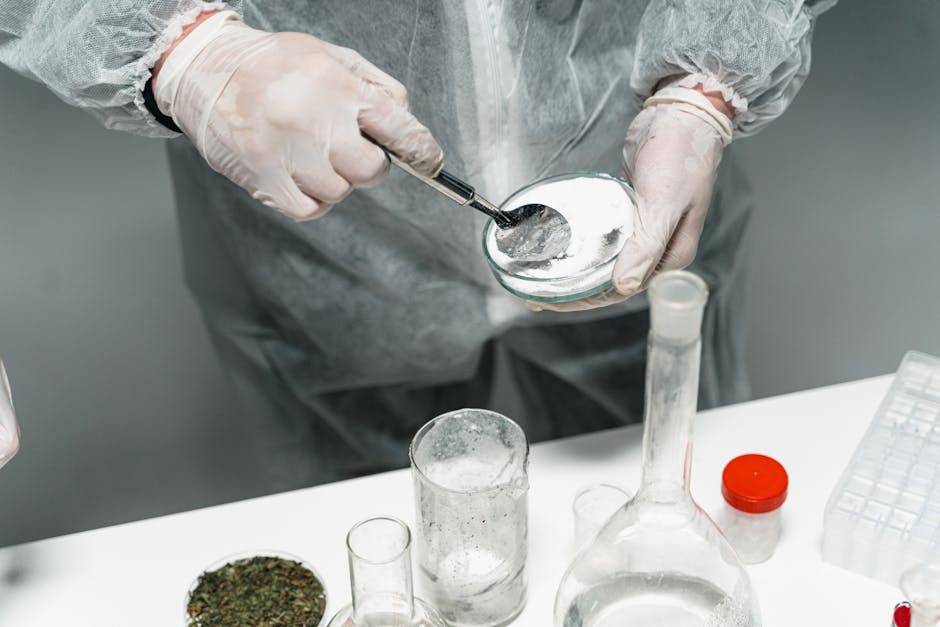
Work through these checks in order
- Name the question you want answered: Are you asking what clinical studies found, whether microdosing has evidence, or whether a specific product is lawful and accurately labeled? Keeping one question in view prevents research about one use from being treated as proof about another.
- Identify the evidence type: A systematic review, a controlled treatment study, and an observational survey answer different questions. In a 2022 study titled Psilocybin microdosers demonstrate greater observed improvements in mood and mental health at one month relative to non-microdosing controls, microdosers demonstrate greater observed improvements in mood and mental health at one month relative to non-microdosing controls. The word observed matters: the finding does not establish that microdosing caused the difference.
- Check the actual product description: Record the product form, listed ingredients, amount per unit if stated, producer, batch information, and any testing documentation supplied. If a seller cannot explain what those documents refer to, treat the missing detail as a material gap, not a minor label issue.
- Separate cultivation claims from product evidence: Organic cannabis cultivation and fungi production are not the same process. Ask what the claim applies to, what material was tested, and whether the documentation is specific to the product and batch you are evaluating.
- Check rules where you are: Do not assume a product permitted under a local regulated program is available through ordinary retail channels or legal in another state. The applicable local rules and the source of the product both matter.
- Discuss health questions with a clinician: Bring the product label or a clear photograph, the ingredient list, and a list of medicines and supplements. A licensed clinician can help assess how the question fits your medical history and existing care.
Oregon’s rules also illustrate why product format should not be guessed from a marketing description. Under Or. Admin. Code § 333-333-2120, Psilocybin Product Delivery Methods, a manufacturer is prohibited from designing or manufacturing psilocybin products that can be delivered to clients through any method other than orally or another enteral method. That is an Oregon rule, and it should not be read as a general product standard for other locations.
Pro Tip: Save the label and batch details before opening any product. If you later have a health question, the exact product information is more useful than a brand name recalled from memory.
Ready to talk through our product categories and current availability? Contact our team.
Common mistakes that distort the evidence
Avoid treating unlike products as equivalent
A frequent error is moving from a research finding to a confident claim about every product on the market. Research methods, product composition, setting, and participant characteristics all shape what a study can show. A careful reader asks what was studied before applying a result to a product or a personal health decision.
Another mistake is assuming that an organic label means a product has been tested for every relevant concern. For cannabis, cultivation choices can tell a consumer something about how a crop was grown. They do not, by themselves, prove the composition, potency, or effects of a psilocybin product. Look for documentation that clearly identifies the product and the test performed, and do not fill gaps with assumptions.
- Treating association as causation: An observed difference between groups does not by itself show what caused that difference.
- Assuming every fungi product is alike: Whole fungi, homogenized material, and other product forms raise different questions about contents and consistency.
- Reading rules across state lines: Oregon’s regulated framework does not establish what is permitted in California or another jurisdiction.
- Using personal stories as treatment evidence: An anecdote may describe one person’s experience, but it cannot predict another person’s response.
- Stopping or changing care based on marketing: Product claims are not a replacement for a treatment conversation with a qualified clinician.
Oregon’s allowable product categories also show why precise wording matters. Under Or. Admin. Code § 333-333-2110, Allowable Psilocybin Product Types, a manufacturer with a fungi cultivation endorsement may produce and dry whole fungi, mycelium and homogenized fungi. The rule describes allowable types under that Oregon framework; it does not establish that every such form is available or approved in other places.
A final pitfall is using the word organic as a shortcut for safety. Farming practices are relevant, but they do not answer questions about interactions, psychological effects, or whether a product fits an individual’s medical circumstances. Those questions require product-specific information and, when health is involved, qualified clinical guidance.
Pro Tip: When comparing two products, write down what each label actually states and what remains unverified. A short list of unknowns helps prevent packaging language from doing the work of evidence.
Our perspective on careful product choices
Quality claims need clear boundaries
We are a family-owned micro grow farm in Trinity County, California, and since 2016 our work has focused on estate-grown organic cannabis without pesticides or synthetic fertilizers. We take those commitments seriously. They describe our cannabis cultivation, and we do not present them as proof of psilocybin research outcomes, fungi-product testing, or medical benefit.
That distinction is central to a trustworthy conversation about psilocybin. We would not advise consumers to treat organic cannabis as evidence that a different category of product has the same ingredients or standards. Nor would we tell anyone that research about depression, anxiety, or microdosing guarantees a result.
The useful questions are concrete: What is the product? What does its documentation verify? What rules apply where it is offered? What does a qualified clinician say about the health context?
Our family values and quality commitments inform how we approach cannabis products. Readers can learn more about the family behind Trinity Growers Co. and our commitment to quality. That background should not be mistaken for independent evidence about psilocybin products.
If you want to discuss our organic cannabis products or ask about current offerings, get in touch with Trinity Growers Co..
When a qualified professional should be involved
Prepare for a focused conversation
Bring in a licensed health professional before making a decision involving a diagnosis, prescribed medication, mental health treatment, pregnancy, a history of serious psychological distress, or an unexpected reaction to a product. A clinician who knows your health history is better placed to discuss risks than a seller or an online account. Do not stop or change prescribed care based on a product claim or a research headline.
For that first conversation, bring the exact product label or a clear photo, any ingredient and testing information, the date and amount used if relevant, and a current list of medicines and supplements. Explain what you hope to understand, such as a study result or a possible interaction. If symptoms feel urgent or severe, seek prompt medical care rather than waiting for a product discussion.
A responsible provider should be able to explain what is known, what remains uncertain, and what falls outside their expertise. They should distinguish supervised research from retail products, avoid promising a health outcome, and make clear that local rules govern access. If a conversation leans on guaranteed benefits or dismisses your medical history, it is not careful guidance.
Frequently asked questions
What health benefits are being studied for psilocybin?
Researchers have examined possible effects related to mood and mental health, including depression and anxiety in specific contexts. A systematic review reports possible symptom reduction in the context of cancer-related psychological discomfort, but that does not establish a result for every person, diagnosis, product, or use pattern. Research findings are not a personal treatment recommendation. Discuss health decisions with a licensed clinician who can consider your full medical history.
Does microdosing psilocybin improve mood?
An observational study reported greater observed improvements in mood and mental health at one month among microdosers relative to non-microdosing controls. That is a difference observed between groups, not proof that microdosing caused the change or that it will happen for another person. Study design matters, as do the participants and the products involved. Do not treat an observational finding as a substitute for clinical advice.
Are psilocybin products the same as organic cannabis products?
No. Cannabis and fungi are distinct product categories, and cultivation claims about one do not verify the ingredients, production methods, testing, or effects of the other. Trinity Growers Co.’s pesticide-free and synthetic-fertilizer-free cultivation commitments apply to our estate-grown organic cannabis. Consumers evaluating a psilocybin product need product-specific information and must check the rules that apply where they live.
How can I tell whether a psilocybin product is trustworthy?
Start with a clear product identity, ingredient information, producer details, and testing documentation that identifies what was tested. Check whether the documentation matches the product and batch rather than relying on a general marketing claim. Then verify that the product and route of access are lawful in your location. If the seller cannot explain the label or records, do not assume the missing information is covered by an organic claim.
Should I try psilocybin instead of my current treatment?
Do not replace, stop, or change prescribed treatment based on a product description, personal testimonial, or research headline. Evidence from a study does not determine what is appropriate for an individual, and medicines and health conditions can affect the risk discussion. Bring your questions and product information to a licensed clinician who knows your history. Seek prompt medical care for an urgent or severe health concern.
How Trinity Growers Co. can help you explore products
Clear conversations about what we offer
Trinity Growers Co. focuses on high-quality organic cannabis cultivated on our family farm in Trinity County. Our listed product categories include cannabis, edibles, vape cartridges, and psilocybin products. Product availability and what can be offered depend on applicable laws and current offerings, so a direct conversation is the right way to clarify what is available.
We do not position our cannabis cultivation practices as proof of a psilocybin product’s health effects or contents.
- Organic cannabis: Estate-grown cannabis produced without pesticides or synthetic fertilizers.
- Edibles and vape cartridges: Cannabis product categories for consumers comparing formats and product information.
- Psilocybin product questions: Ask us what is currently offered and what information is available, while verifying local rules and seeking clinical guidance for health decisions.
For more on how we approach our cannabis work, read about our sustainable farming practices. Those practices relate to our cannabis cultivation and should not be read as a claim about fungi products.
Conclusion: keep the evidence and product separate
The health benefits psilocybin products are studied for are not guaranteed outcomes, and research about a particular population or setting does not prove that a retail product will deliver the same result. The most important next step is to identify exactly what evidence and product you are evaluating, then check its documentation and the rules in your location.
For any decision that could affect your health or current treatment, speak with a licensed clinician before acting. We are glad to answer questions about Trinity Growers Co.’s organic cannabis products and current offerings, with clear boundaries between our farming commitments and what research can support.
Sources
- Oregon Health Authority: Oregon Psilocybin Service – 2022 Rulemaking
- Or. Admin. Code § 333-333-2120 – Psilocybin Product Delivery Methods
- Or. Admin. Code § 333-333-2110 – Allowable Psilocybin Product Types
- Psilocybin microdosers demonstrate greater observed improvements in mood and mental health at one month relative to non-microdosing controls
- Potential Therapeutic Effects of Psilocybin: A Systematic Review
- Trajectory of Antidepressant Effects after Single- or Two-Dose Administration of Psilocybin: A Systematic Review and Multivariate Meta-Analy
This article is general information, not a substitute for advice from a qualified professional. Consult a qualified professional about your own circumstances before acting on anything here.