

Flavor profiles in organic cannabis describe the aromas and tastes people notice in a product, from fresh, herbal notes to citrus, earth, or spice. At Trinity Growers Co., our family-owned micro grow farm in Trinity County focuses on estate-grown cannabis and sustainable practices, without pesticides or synthetic fertilizers. Those cultivation choices are part of how we approach quality, but they do not guarantee one particular flavor in every harvest.
For enthusiasts comparing flower, patients considering cannabis as part of a care plan, and food lovers choosing an infused edible, the useful question is not simply “Which one tastes best?” It is how the product’s aroma, format, ingredients, and preparation shape the experience, and whether its description matches what you value.
Key takeaways
A useful flavor description is a sensory guide, not a promise that every batch will taste identical or that a particular flavor signals a specific effect.
A quick flavor decision aid
What shapes the flavor of cannabis?

Flavor starts with aroma, not a promise
A cannabis flavor profile is a practical description of its sensory character: what a person smells before use and notices in the product itself. Descriptors such as citrus, pine, earth, floral, or peppery help people compare options, but they are subjective. One person’s “herbal” can read as green or sharp to someone else.
Aroma compounds, including terpenes, contribute to the scent people notice in cannabis. They are one part of the profile, not a complete prediction of taste or effect. The plant’s genetic traits, growing conditions, harvest timing, drying and curing, and how it is stored all shape the aroma that reaches the consumer.
That is why two batches described with similar notes can still smell different. A delicate citrus impression can be harder to detect after poor storage, while a strong earthy aroma does not, by itself, prove a particular quality level. Compare the product’s actual condition and available batch information rather than treating one tasting word as a guarantee.
Cultivation matters, but it is not a tasting note
At Trinity Growers Co., we focus on estate-grown cannabis and sustainable farming in Trinity County. Since 2016, our farm has avoided pesticides and synthetic fertilizers. Those are meaningful parts of our approach to cultivation, but a farming practice does not dictate that a strain will taste sweet, fruity, or any other way.
California also has specific rules about organic terminology. According to Cal. Code Regs. Tit. 3, § 10103, Use of the Terms Ocal and Organic, cannabis operations are prohibited from selling, labeling, or referring to their products as organic, pursuant to section 26062.5 of the California Business and Professions Code. This distinction matters when comparing cultivation values with the words allowed on a package.
For a closer look at how our growing approach fits into product quality, read about sustainable cannabis farming at Trinity Growers Co.. Keep the sensory question separate from the legal label: aroma can help you compare products, but it does not verify a certification.
How to assess a product’s flavor step by step
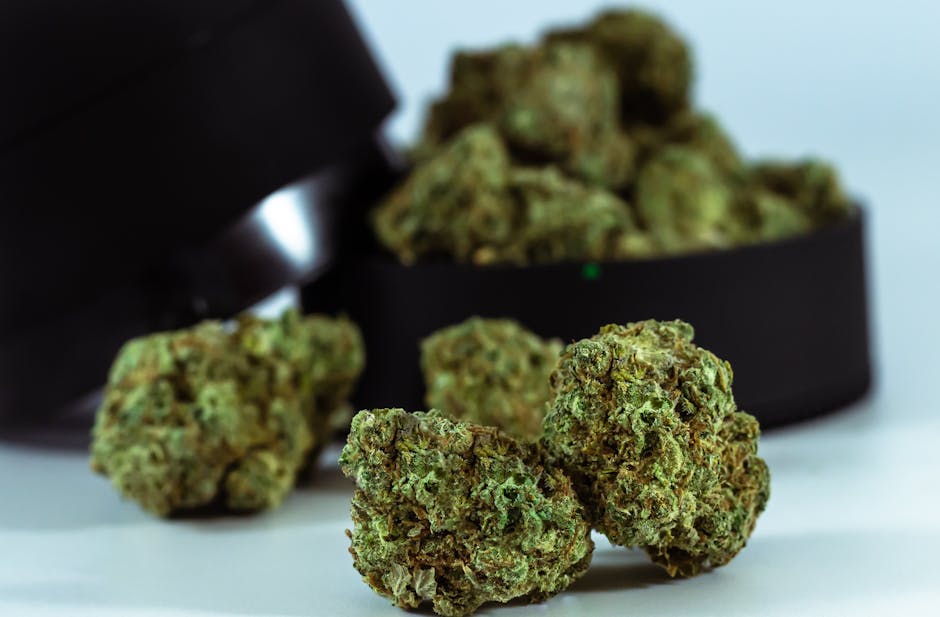
A repeatable way to compare aroma and taste
- Start with the format. Decide whether you are comparing flower, an edible, or a vape cartridge. Each format has its own ingredients and preparation, so comparing an edible’s food flavor directly with dried flower aroma will not tell you which cannabis profile you prefer.
- Read the product description closely. Look for specific sensory words rather than broad claims such as “best tasting.” Note whether the description refers to aroma, taste, or both. For edibles, distinguish the cannabis description from the food ingredients, since chocolate, fruit, herbs, or other components can strongly influence the finished flavor.
- Check the package and batch details. Review the product identity, ingredients where applicable, and any available batch information. If a label uses “OCal,” California regulations set a specific threshold: according to Cal. Code Regs. Tit. 17, § 22055, Cannabis Products Labeled OCal, cannabis products manufactured with only OCal-certified cannabis and 95 percent or greater certified organic ingredients may be labeled “100 percent OCal,” or “OCal.” Do not treat that wording as interchangeable with an unqualified organic claim.
- Assess flower before use. If you are choosing flower in person, pay attention to the aroma when the container is appropriately presented for inspection. Note whether the scent seems fresh, muted, sharp, or unusually musty. Do not open regulated packaging or handle a product unless the retailer permits it.
- Keep the first comparison simple. Compare one format and one or two sensory descriptors at a time. For example, note whether you prefer a clear herbal aroma over a sweeter edible profile. Changing the product, format, and preparation all at once makes it difficult to identify what you actually liked.
- Consider how the format changes perception. With an edible, the base food and added ingredients are part of the taste. With a vape cartridge, the formulation and heat affect the flavor you perceive. Flower’s aroma can also change with grinding and storage. A tasting note is most useful when you know which part of the product it describes.
- Record your own observations. Write down the product format, the words used in its description, what you noticed, and whether the profile suited you. If you are using cannabis for medicinal purposes, track the product and your response separately from its flavor, and bring that information to your clinician.
Pro Tip: Keep a short sensory log with the product format, package details, and two or three aroma words. That makes it easier to compare batches without assuming that a familiar strain name means an identical profile.
California labeling requirements are also relevant when flavor information appears on packaging. According to Cal. Code Regs. Tit. 4, § 17408, Labeling Restrictions, any statement or indication that the cannabis or cannabis product is organic, unless the National Organic Program authorizes organic designation and certification for cannabis and the cannabis or cannabis product meets the requirements for that designation and certification, is prohibited.
A flavor description should not be presented as proof of organic status.
Common flavor-comparison mistakes
Avoid reading more into a description than it says
- Treating a flavor as a quality certificate: Citrus, earth, or floral notes describe sensory impressions. They do not independently confirm cultivation practices, testing status, freshness, or certification.
- Assuming “organic” is an unrestricted package claim: In California, the terminology has regulatory limits. Look for lawful, specific labeling rather than inferring a certification from a farm’s values or marketing language.
- Comparing unlike formats: A fruit-flavored edible and a floral-smelling flower are not a fair side-by-side taste test. Separate the cannabis aroma from other food ingredients and from the effects of heating or preparation.
- Expecting every harvest to match a previous one: Natural variation in cultivation and post-harvest handling can change the aroma. A strain name or past experience is not a guarantee of the current batch’s sensory profile.
- Using aroma to choose a medical product on its own: Flavor does not establish dose, suitability, or a treatment outcome. Patients should keep their clinician’s guidance and their own response records central to product decisions.
- Ignoring storage when a profile seems muted: Heat, light, air exposure, and time can affect how cannabis smells. A faded aroma does not tell you exactly why it changed, so use the product’s storage information and package details as context.
A useful consumer question is, “What exactly does this note describe?” A retailer or producer should be able to distinguish a flower aroma from an edible ingredient, explain what the label means, and avoid turning a sensory descriptor into a claim about health or certification.
Pro Tip: When a package describes an edible as “citrus,” check the ingredient list and product description to see whether that note refers to the food ingredients, cannabis, or both. That simple check prevents a flavor expectation from being assigned to the wrong part of the product.
California has a narrow provision related to sharing flavor information. According to Cal. Code Regs. Tit. 4, § 17117, License Constraints, a manufacturer licensee may manufacture, prepare, package, and label non-cannabis-infused product samples to provide information on flavor profiles, textures, smells, and other physical characteristics of the cannabis product. This is a specific provision for non-cannabis-infused samples, not a blanket permission for any tasting or sampling practice.
Our perspective
We look at flavor as one part of a product’s character, alongside how it was grown and handled. Our family-owned micro grow farm in Trinity County has focused on sustainable cultivation since 2016, with estate-grown cannabis produced without pesticides or synthetic fertilizers. We stand behind those stated practices, but we do not use them to promise a specific tasting note or a uniform experience from harvest to harvest.
We recommend choosing based on what you can actually compare: the format, the product description, the ingredient information, and the aroma where inspection is allowed. If flavor is your priority, be precise about whether you mean flower aroma, edible taste, or the profile of a vape cartridge. Our page on the unique flavor profiles of Trinity Growers Co. strains offers more context for thinking about strain descriptions.
We avoid treating “natural,” “clean,” or “organic” as shorthand for a guaranteed flavor or outcome. In California, legal labeling rules make that especially important. A thoughtful choice respects both the farm’s practices and the boundaries of what a product description can honestly tell you.
When to bring in a professional
Get a clear answer when the question is more than taste
Bring in a qualified cannabis retailer, producer, or clinician when you need help interpreting product information, comparing formats, understanding an ingredient list, or deciding what questions to raise about medicinal use. A patient should bring a current product label, the format being considered, and notes about prior use or response to a healthcare professional. Flavor preference alone is not a medical plan.
For a first conversation with a retailer or producer, have the product name, package details, and your specific question ready. A good provider should explain whether a tasting note describes aroma or taste, what the listed ingredients contribute, and what any certification or label term actually means. They should also be clear about what they cannot confirm from flavor alone.
If you are evaluating a product described as organic in California, ask how the claim is presented and whether the package uses a permitted term. The answer should respect the applicable rules, not substitute broad sustainability language for a certification or legal designation.
FAQ
What does a cannabis flavor profile describe?
A cannabis flavor profile is a set of sensory descriptors for the product’s aroma and taste, such as earthy, citrus, herbal, floral, or peppery. It helps consumers compare products, but it is not a guarantee that everyone will perceive the same notes. It also does not establish a product’s growing method, legal status, potency, or medical effect.
Does organic cannabis always have a stronger or cleaner flavor?
No. A cultivation approach does not guarantee a stronger aroma or a particular taste. Flavor perception is influenced by the plant, harvest and post-harvest handling, storage, and product format. In California, use of organic terminology is also restricted, so consumers should distinguish a farm’s cultivation practices from claims authorized for product labeling.
How do I compare the taste of flower and cannabis edibles?
Compare them as different product formats rather than assuming they share the same flavor. Flower is commonly described by its aroma and the taste perceived during use. An edible also tastes of its food ingredients and preparation. Read the ingredient list and identify whether a descriptor refers to the cannabis, the edible itself, or both.
Why can two batches of the same strain smell different?
A strain name does not promise identical aroma from one batch to another. Growing conditions, harvest timing, drying and curing, and storage all contribute to the sensory character a consumer encounters. Keep batch information with your own notes, and treat previous experience as a comparison point rather than a guarantee about a new product.
Does a terpene description tell me how a product will affect me?
A terpene or aroma description can help explain scent and flavor, but it does not establish a particular effect or medical result. Individual responses and product details vary. If you are selecting cannabis for medicinal use, discuss the product and your goals with your clinician, and keep flavor preferences separate from decisions about dose or treatment.
What should I look for on a California cannabis label?
Read the product identity, ingredients where relevant, and any specific designation carefully. California rules restrict organic claims, while the term OCal has defined conditions for certain products. According to N.Y. Comp. Codes R. & Regs. Tit. 9 § 128.6, Cannabis Product Labeling Prohibitions, no cannabis product package shall display any content or be labeled in any manner that includes the term “organic” unless describing the product’s ingredients and in compliance with Title 7, as it relates to Agriculture, of the Codes of Federal Regulations sections 205.600 to 205.607.
Rules vary by jurisdiction, so do not assume another state’s wording applies in California.
How Trinity Growers Co. helps you explore cannabis flavor
Cultivation values and product formats
We grow cannabis on our family-owned micro farm in Trinity County, focusing on estate-grown production and sustainable practices. Our products and services include cannabis cultivation, organic cannabis sales, edibles, and vape cartridges. Those formats give consumers different ways to consider aroma and taste, but the right choice depends on whether you prioritize flower characteristics, a food-based flavor, or a cartridge format.
- Cannabis cultivation: Our farm’s cultivation approach centers on sustainable practices and avoiding pesticides and synthetic fertilizers.
- Edibles: Read the ingredient details as well as the cannabis description, since both shape the finished taste. Our guide to choosing an organic cannabis edible explains what to consider when comparing edible options.
- Vape cartridges: Compare the available product description and format rather than assuming a cartridge will taste like flower with a similar name.
Ready to compare options that fit your preferences? Contact our team to ask about our products.
Conclusion
Make the next comparison a specific one
The most useful next step is to decide which sensory experience you are trying to compare: flower aroma, edible taste, or a vape cartridge’s described profile. Then check the ingredients and package information, note the exact sensory language, and keep legal labeling separate from cultivation values. That approach helps enthusiasts choose more deliberately, gives food-focused consumers a clearer way to assess edibles, and keeps medicinal decisions grounded in more than taste.
For flavor profiles organic cannabis Trinity Growers Co. readers should treat each description as a starting point for careful comparison, not a promise about every batch or a claim of medical benefit. Our farm’s cultivation values matter to how we work, while the product’s actual format, handling, and labeling matter to what you can reasonably expect.
Sources
- Cal. Code Regs. Tit. 3, § 10103 – Use of the Terms Ocal and Organic
- Cal. Code Regs. Tit. 17, § 22055 – Cannabis Products Labeled Ocal
- Cal. Code Regs. Tit. 4, § 17408 – Labeling Restrictions
- Cal. Code Regs. Tit. 4, § 17117 – License Constraints
- N.Y. Comp. Codes R. & Regs. Tit. 9 § 128.6 – Cannabis Product Labeling Prohibitions