

To choose an organic cannabis strain, start with the experience you want, then compare the strain’s aroma, cannabinoid information, format, and cultivation details. A strain name alone cannot tell you exactly how cannabis will feel, so use product information as a guide rather than a promise.
For enthusiasts who care about cultivation as much as flavor, the growing method matters alongside the strain profile. Patients looking for cannabis for personal wellness should also consider their own response, intended use, and advice from a qualified health professional.
TL;DR
- Start with your purpose: Decide whether you are prioritizing aroma, a particular product format, or a personal wellness routine.
- Compare the plant’s profile: Look at available cannabinoid and terpene information, then consider how those details fit your preferences.
- Check cultivation claims: Look for clear information about estate-grown practices and avoid treating “organic” as proof of a specific certification.
- Choose a manageable format: Flower, edibles, and vape cartridges differ in how they are used, so match the product to your experience and comfort.
Key takeaways
A good strain choice balances your preferences with transparent cultivation details and realistic expectations about individual responses.
A quick comparison for strain selection
A practical way to choose organic cannabis strain options

Begin with your reason for choosing
Cannabis strain selection is most useful when it begins with a clear preference, not a trend or a familiar-sounding name. Think about what you want to evaluate: a particular aroma, a flower for your preferred method of use, an edible that suits your food preferences, or a product made with cannabis grown using practices that matter to you.
Write down your priorities before browsing. For example, a customer who enjoys distinctive flavor may rank aroma first, while an eco-conscious shopper may begin with cultivation practices and product transparency. Someone exploring cannabis for personal wellness should make their own health needs and professional guidance part of the decision.
Compare information in a consistent order
Use the same questions for each option. Start with the product format, then review any available cannabinoid and terpene information, the aroma or flavor description, and the cultivation details. If a product description does not provide a detail you consider essential, treat that as unknown rather than filling in the gap yourself.
We grow cannabis on our family-owned micro farm in Trinity County, California, using sustainable practices. Our products are estate grown without pesticides or synthetic fertilizers. That gives shoppers specific cultivation information to consider, while leaving room for them to decide whether a particular strain’s available profile matches their preferences.
A strain’s name and category are not a substitute for reviewing the actual product details. For a closer look at the strains we discuss, see our guide to the unique strains of organic cannabis at Trinity Growers Co.. It can help you understand what information to look for as you compare options.
- Set your priority: Choose one main criterion, such as aroma, format, or cultivation approach, and one secondary criterion.
- Select a format: Decide whether you are considering flower, an edible, or a vape cartridge before comparing product details.
- Review the profile: Read the product’s available cannabinoid, terpene, aroma, and flavor information without assuming it predicts an exact response.
- Check cultivation details: Look for clear descriptions of how the cannabis was grown and what a label or certification actually represents.
- Make a small, considered choice: If you are new to a strain or format, avoid buying more than you can comfortably evaluate and follow the product’s directions.
Ready to compare organic cannabis options with our team? Contact Trinity Growers Co..
What shapes the strain you end up choosing
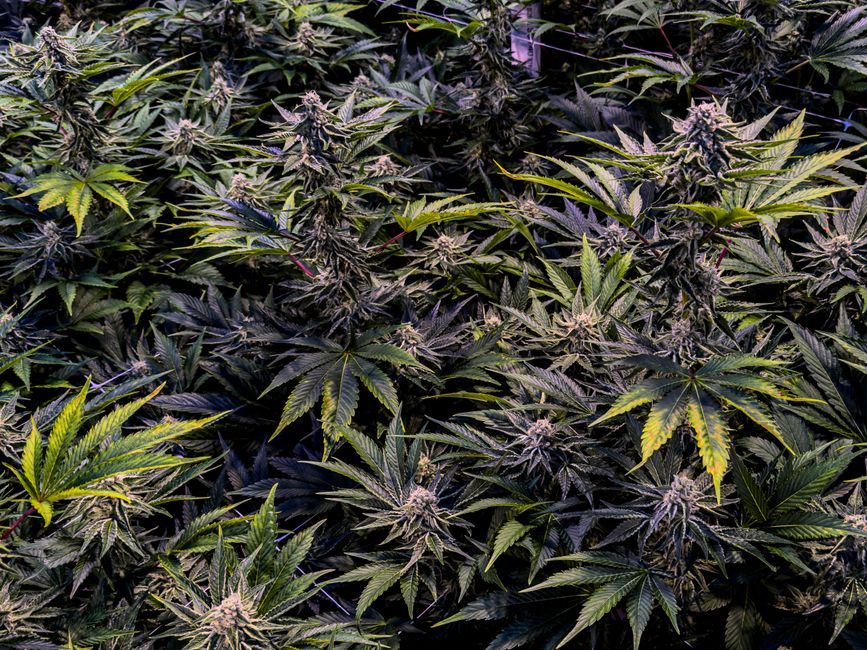
The plant profile is only one part of the decision
Cannabinoid and terpene information can help you compare products, but neither provides a complete forecast of how you will feel. Your own experience, the amount used, the product format, and the setting all matter. A strain description is best treated as a way to narrow choices, not as a promise of a particular outcome.
Aroma and flavor are often more practical selection criteria for enthusiasts. The scent of cannabis can give you a clear sensory point of comparison, especially if you already know which profiles you like. Our article on the flavor profiles of Trinity Growers Co. organic cannabis strains explains why flavor notes can be a useful part of choosing, without replacing the product’s other details.
Growing method, availability, and format matter
For shoppers seeking organic cannabis, the phrase on a product label deserves careful attention. California has a specific OCal framework, and “organic” should not be treated as a synonym for certified status. According to Cal. Code Regs. Tit. 3, § 10103 – Use of the Terms Ocal and Organic, “No cannabis or nonmanufactured cannabis product shall be advertised or labeled OCal or similar terminology that leaves in doubt whether the product is being sold, labeled, or represented as certified pursuant to the requirements of this chapter.”
California’s allowed-substance rules also distinguish production practices. According to Cal. Code Regs. Tit. 3, § 10105 – Allowed and Prohibited Substances and Methods in Ocal Production, “To be sold or labeled OCal, cannabis and nonmanufactured cannabis products shall be produced without the use of synthetic substances and ingredients, except as provided in The National List of Allowed and Prohibited Substances 7 CFR section 205.601.” Our own description is that our cannabis is estate grown without pesticides or synthetic fertilizers; do not read that description as a claim of OCal certification.
Format influences what you need to compare. Flower is a direct way to consider aroma and appearance. Edibles bring ingredient, flavor, and serving information into the decision. Vape cartridges are a different product format, so review their own product details rather than assuming they match the flower profile. Availability also changes, so compare products that are currently offered instead of relying on an old strain list.
Pro Tip: Keep a brief personal note of the product name, format, aroma, and your own response. That record is more useful for your next choice than relying on a strain name you remember only vaguely.
A checklist before you select a strain
Questions to answer before buying
Use this checklist when comparing products, especially if you are shopping for a particular taste, considering a new format, or trying to make cultivation practices part of your decision. The most useful product is not automatically the one with the most appealing name; it is the one whose details fit your priorities and whose limits you understand.
- Purpose: Write down what you want from the choice, such as an aroma you enjoy, a format that fits your routine, or cultivation information you can assess.
- Product format: Decide whether flower, an edible, or a vape cartridge suits your experience and preferences before you compare profiles.
- Available profile details: Check the information provided for that specific product, including cannabinoid or terpene details where available.
- Aroma and flavor: If taste matters to you, compare the product’s own description rather than assuming two strains with similar names smell or taste alike.
- Cultivation description: Look for specific statements about farming practices. “Estate grown” describes where a crop is grown; it does not automatically establish a certification.
- Certification language: If a seller uses OCal language, check whether the product is represented as certified and whether the wording is clear.
- Edible information: For an edible, read the label for serving and ingredient information, follow its directions, and do not treat it like flower or a cartridge.
- Personal limits: If you are new to cannabis or a particular format, choose cautiously and follow the product label rather than trying to match someone else’s experience.
- Purchase details: Confirm that the option is currently available and that the package information matches the product you intend to buy.
For a food-focused shopper, flavor should not crowd out serving information or ingredients. For a patient, personal response and professional guidance deserve more weight than a strain nickname. For a sustainability-minded buyer, an explicit description of farming practices is more useful than a broad environmental slogan.
Pro Tip: Take a photo or note of the label details you want to compare, especially the format and profile. It helps you distinguish a product you actually tried from one with a similar strain name.
Our perspective on choosing a strain
We start with the growing story, then the fit
At Trinity Growers Co., we believe strain choice should bring together two questions: what does the product offer, and how was the cannabis grown? Since 2016, our family-owned micro grow farm in Trinity County has focused on sustainable farming. Our cannabis is estate grown without pesticides or synthetic fertilizers, so we encourage shoppers to consider those details alongside the product’s aroma, format, and available profile.
We would avoid treating a popular strain name as a shortcut. Names and broad categories cannot tell you exactly how you will respond, and a description should not replace your own careful comparison. We also would not equate a farm’s practices with a third-party certification unless the product is actually represented and labeled that way.
A better approach is to start with one clear preference, then check whether the actual product details support it. If aroma is your priority, focus on the strain’s available flavor information. If you are choosing an edible, compare the food and serving details as well as the cannabis profile.
If your interest is sustainability, read the farm’s stated methods and be precise about what those claims do and do not establish.
Our sustainable farming practices give readers more context for evaluating how we grow. We want people to choose with accurate expectations, not with a promise that every strain will feel the same for every person.
When to bring in a cannabis professional
Make the first conversation specific
A qualified cannabis retailer or health professional is useful when you are unsure how a product format fits your needs, when you are comparing cannabis with medication, or when a medical condition makes self-directed experimentation a poor fit. Patients should discuss cannabis use with a qualified health professional who understands their situation, rather than using strain descriptions as medical guidance.
Before that conversation, bring the product name and format, a photo of the label, any available cannabinoid or terpene details, and a short note about what you are trying to understand. If you have used cannabis before, describe the product and your own response in concrete terms. Do not rely on another person’s experience as a prediction for yours.
A good provider should be able to explain what the product label says, what remains unknown, and how the format differs from alternatives. They should not promise a health outcome, claim that one strain works identically for everyone, or use certification language without making clear what it refers to. If those questions are outside a retailer’s role, a health professional is the right person to address them.
Frequently asked questions
What does “organic cannabis” mean in California?
The word “organic” can be used casually to describe a growing approach, but California has specific rules for OCal representations. According to Cal. Code Regs. Tit. 17, § 22055 – Cannabis Products Labeled Ocal, “Cannabis products manufactured with only OCal-certified cannabis and 95 percent or greater certified organic ingredients may be labeled ‘100 percent OCal,’ or ‘OCal’.” Read a product’s exact claim carefully, and do not assume that a farm’s cultivation description alone means a product is certified.
How do I compare cannabis strains if I am new to them?
Start with one preference that you can assess, such as aroma or product format, then read the specific product information available. Avoid selecting only by strain name or assuming that a familiar category guarantees a particular effect. If you are new to cannabis, choose cautiously, follow the package directions, and consider discussing your situation with a qualified professional if health or medication questions are involved.
Is a strain’s aroma a reliable way to predict its effects?
Aroma is useful for comparing sensory preferences, but it is not a reliable guarantee of a specific effect. Product descriptions, cannabinoid information, and terpene information can help you understand what is being offered, yet people can respond differently. If you enjoy a particular flavor profile, use that as one selection criterion and keep it separate from medical expectations or promises about how a product will feel.
How should I choose between flower, edibles, and vape cartridges?
Choose based on the format you understand and feel comfortable using, then review the product information that applies to that format. Flower lets you consider the dried product’s aroma and appearance. Edibles require attention to ingredients, serving information, and directions. Vape cartridges have their own product details and should not be assumed to reproduce the flower experience exactly. Follow the label and avoid comparing formats as though they were interchangeable.
How Trinity Growers Co. helps you choose
Organic cultivation and product options
Trinity Growers Co. is a family-owned micro grow farm in Trinity County, California. Since 2016, we have focused on sustainable farming and estate-grown cannabis produced without pesticides or synthetic fertilizers. Our work is centered on organic cannabis cultivation and products for people who care about how cannabis is grown as well as what they choose to enjoy.
Our relevant offerings include:
- Cannabis cultivation: Estate-grown cannabis from our Trinity County farm.
- Organic cannabis sales: Options for shoppers seeking cannabis grown with our stated farming practices.
- Edibles: A food-based format for customers who want to consider flavor and product serving information.
- Vape cartridges: An inhaled product format to assess using its own product details.
We do not suggest that one strain or format is right for every customer. If you are comparing a current option or want to understand how our cultivation approach fits your priorities, we are glad to help you consider the details. Talk with Trinity Growers Co. about your strain options.
Conclusion
Make the choice based on details you can verify
The clearest way to choose organic cannabis strain options is to begin with your own priority, compare the specific product’s format and available profile, and check what its cultivation language actually means. A strain name can help you identify an option, but it cannot tell you how you will respond or establish a certification.
Before buying, choose one or two criteria that matter most, such as aroma and estate-grown practices, then check the product information against them. If you are selecting cannabis for a health-related reason, involve a qualified health professional and treat product descriptions as information, not medical advice. That approach helps you make a more thoughtful choice while respecting the limits of what any strain description can promise.