

The medicinal uses of organic cannabis from Trinity Growers Co. are best understood as product options to discuss with a qualified clinician, not as proven treatment claims. People exploring cannabis for personal wellness often need to sort through differences in format, cannabinoid content, cultivation practices, and medical evidence before choosing anything. We grow cannabis on our family-owned Trinity County micro farm using sustainable practices, without pesticides or synthetic fertilizers, and we believe that clear information matters as much as careful cultivation.
Organic growing practices describe how a crop is produced; they do not establish that cannabis treats a condition. This guide explains what the available formats mean, which questions to ask, and where medical guidance belongs in the decision.
Key takeaways
Cannabis products differ in format and composition, while cultivation choices describe production rather than clinical effectiveness.
Quick reference
Comparing cannabis formats for health-related goals

Start with what the product is
Cannabis flower is the harvested, dried plant material. A consumer may compare its aroma, appearance, strain description, and available cannabinoid information, but none of those details alone confirms a particular medicinal effect. For someone seeking organic cannabis for health, cultivation practices are one part of product selection, while the intended use and personal health context are separate questions.
Edibles turn cannabis into a food format, making ingredient lists and serving information central to comparison. They may suit people who do not want to smoke or vape, but a food product is not automatically easier to use responsibly. Read the package details and follow the product directions. Avoid taking more simply because the effect is not immediately noticeable.
Vape cartridges are another product type, with a concentrated cannabis oil delivered through an inhalation device. The format differs from flower and edibles, so do not assume that a label, dose, or personal experience transfers directly between them. People with respiratory concerns should discuss inhaled cannabis with a healthcare professional before considering it.
Separate product qualities from medical evidence
Organic cultivation is about production methods, such as avoiding pesticides and synthetic fertilizers in our farming. It does not mean that a cannabis product is approved to treat a disease, free of every possible risk, or suitable for every person. The U.S. Department of Agriculture reserves the term organic for eligible products that comply with National Organic Program standards, according to the CDFA OCal Cannabis Certification Program.
We describe our growing practices accurately rather than implying a certification we have not stated.
Evidence and product regulation also matter. According to the FDA Regulation of Cannabis and Cannabis-Derived Products, Including Cannabidiol (CBD), FDA has approved Epidiolex, which contains a purified form of the drug substance CBD for the treatment of seizures associated with Lennox-Gastaut syndrome or Dravet syndrome in patients 1 years of age and older. That specific approval should not be generalized to other cannabis products.
California’s history includes medical cannabis, but history is not a blanket product endorsement. According to California’s cannabis laws, California became the first state to allow medicinal cannabis use when voters passed the Compassionate Use Act in 1996. Current questions about personal eligibility, purchasing, and use should be handled through qualified local guidance.
For a broader look at cultivation choices, read our guide to the benefits of choosing organic cannabis. It explains why production practices matter to consumers who want to understand how cannabis is grown, without treating those practices as proof of a health outcome.
Choosing medicinal uses of organic cannabis from Trinity Growers Co.
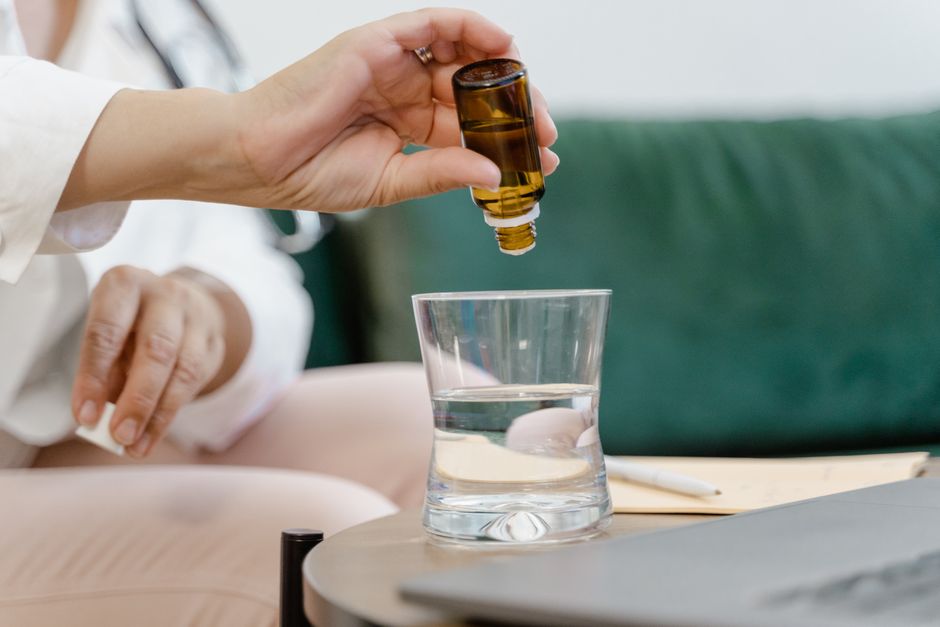
Match the question to the product details
Start by defining what you are trying to understand. Someone comparing products for a personal wellness routine needs different information from a patient asking whether cannabis could interact with a prescribed medication. A clinician can help assess the latter; a product description cannot replace that assessment.
Check the specific product format and label before comparing products. Look for cannabinoid information, serving or use directions, ingredients for edibles, and any available batch or testing information. If something important is missing or unclear, do not fill the gap with assumptions based on a strain name, package design, or a friend’s experience.
For consumers comparing flower, strain characteristics can help narrow preferences around aroma and format, but they do not reliably predict a medical response. Our beginner’s guide to organic cannabis covers practical product vocabulary for people who are new to comparing organically grown cannabis.
Consider these decision points before selecting a product:
- Health context: Note the condition or concern you want to discuss, your current treatment, and whether a healthcare professional has advised against cannabis.
- Product format: Decide whether flower, an edible, or a vape cartridge fits your preferences and any health limitations. Ask a clinician about format-specific concerns.
- Composition: Review the stated cannabinoid information and, for edibles, the ingredient list and serving details. Do not assume products with similar names have the same composition.
- Growing practices: Ask how the crop is produced and what documentation is available. A pesticide-free growing claim is about cultivation, not a guarantee of clinical effect.
- Legal and access questions: Rules and access depend on location and circumstances. Confirm applicable requirements through qualified local sources rather than relying on a general article.
Pro Tip: Photograph the label or save the product details before a medical appointment. A clinician can respond more usefully to the exact format and stated composition than to a broad description such as cannabis oil or an edible.
Know when the answer is not a product choice
If your goal is to replace prescribed treatment, manage a serious diagnosis, or address a new or worsening symptom, the first step is a healthcare conversation, not selecting a cannabis format. The FDA has not approved a marketing application for cannabis for the treatment of any disease or condition, according to the FDA and Cannabis: Research and Drug Approval Process. That fact is a reason to distinguish general consumer information from approved treatment.
The National Cancer Institute states that the U.S. Food and Drug Administration has not approved Cannabis as a treatment for cancer or any other medical condition, according to its Cannabis and Cannabinoids PDQ for Health Professionals. People dealing with cancer treatment should raise cannabis questions with their oncology team, particularly before adding a product to an existing treatment plan.
What happens after you decide to explore a product
A practical sequence for evaluating organic cannabis
- Write down the purpose: State what you hope to learn or address, without assuming cannabis will provide a result. This makes it easier to keep a product conversation separate from diagnosis or treatment decisions.
- Choose a format to investigate: Compare flower, edibles, or vape cartridges based on the format itself and your preferences. If a health condition affects what you can safely use, discuss that before choosing.
- Review the product information: Read the label, stated cannabinoid details, ingredients, serving directions, and any available batch documentation. For edibles, check the complete ingredient list as well as the cannabis information.
- Check cultivation claims carefully: Ask what the grower means by organic practices and whether supporting details are available. At Trinity Growers Co., we describe our cannabis as estate grown without pesticides or synthetic fertilizers, and we do not present that practice as a medical claim.
- Bring the details to a clinician: Share the exact product information, your medication list, relevant health conditions, and the question you want answered. Do not stop or change prescribed treatment based on a product label or a general article.
- Follow applicable directions and local requirements: Use only the information that applies to the product in hand, and verify rules relevant to where you live. Never transfer instructions from one format to another by guesswork.
Pro Tip: Keep the original packaging or a clear photo of it if you are discussing cannabis with a clinician. Product names alone may not show the cannabinoid details, ingredients, or serving directions that matter in the conversation.
These steps help prevent a common mix-up: treating careful cultivation as a clinical guarantee. Sustainable farming practices can be a meaningful reason to choose a product, especially for consumers who care about how crops are grown. They do not answer whether cannabis is appropriate for a particular person, condition, or medication plan.
If you want to compare our organically grown cannabis products and ask about cultivation practices, contact our team about product details.
Our perspective
Quality starts with an honest description
We are a family-owned micro grow farm in Trinity County, and since 2016 our focus has been producing high-quality cannabis through sustainable farming practices. Our crops are estate grown without pesticides or synthetic fertilizers. Those details matter to people who want to know how their cannabis is produced, and we are glad to explain our approach plainly.
We avoid turning cultivation language into a medical promise. “Organic” should not be used as shorthand for safe for every person, clinically proven, or effective for a named condition. The same caution applies to strain names, aroma descriptions, and consumer stories. They may help someone understand preferences, but they do not replace evidence or individual medical guidance.
Our advice is to separate three questions: how a crop was grown, what a particular product contains, and whether using it makes sense for your health. Each needs a different kind of information. We can speak to our farming and products; a qualified healthcare professional should address diagnosis, treatment interactions, and personal medical decisions.
We also recognize that an organic-minded consumer may be comparing products partly because of farming practices, while a patient may be trying to manage a complicated treatment decision. Those are not identical needs. We want our product information to help with the first, and to support a more informed conversation with a clinician for the second.
When to bring in a healthcare professional
Prepare for a useful, specific conversation
Bring in a qualified healthcare professional if you have a diagnosed condition, take prescription or over-the-counter medication, are considering cannabis alongside treatment, or have questions about safety related to your health. A clinician familiar with your care can assess your circumstances; a grower or product seller cannot diagnose you or determine whether cannabis is medically appropriate.
Before that conversation, prepare the exact product name and format, the label or package, stated cannabinoid information, edible ingredients if relevant, and a current list of medicines and supplements. Write down what you hope to address and whether you have already used cannabis. Be direct about the amount and timing if you have tried a product, rather than relying on a strain name as a proxy for details.
A good provider should explain what is known, what remains uncertain, possible interactions or risks relevant to your situation, and whether the proposed use fits your existing care. If the question is about cancer, seizures, or another serious condition, contact the treating specialist rather than delaying established care to test a retail product. Seek urgent care for an emergency or a severe unexpected reaction.
FAQ
Does organic cannabis have proven medicinal benefits?
Organic cultivation describes production practices, not clinical effectiveness. A product grown without pesticides or synthetic fertilizers is not thereby proven to treat pain, anxiety, sleep problems, cancer, or another condition. Evidence and regulatory status vary by product and intended use.
The FDA’s approval of a specific purified CBD medicine for particular seizure conditions does not establish that retail cannabis products share that approval or effect. Discuss health claims with a qualified clinician.
Is cannabis approved by the FDA to treat medical conditions?
The FDA has not approved a marketing application for cannabis for the treatment of any disease or condition. There is a specific approved medicine containing purified CBD for particular seizure conditions, but that does not make all CBD products or cannabis products approved treatments. Check the precise product and claim rather than assuming that a cannabis-derived ingredient has the same regulatory status as an approved medicine.
What should I compare in organic cannabis products?
Start with format, stated cannabinoid information, product directions, and cultivation details. For edibles, read the ingredient list and serving information; for flower, consider the available product and batch details; for vape cartridges, recognize that the format involves inhalation. Ask what a grower means by organic practices and what information supports that description. None of these checks can determine whether a product is medically suitable for you.
Are cannabis edibles a good choice for medicinal use?
An edible may suit someone who prefers a prepared food format, but the format alone does not make it medically appropriate. Review the serving directions and ingredients, and do not assume an edible works like flower or a vape cartridge. People with health conditions, medication concerns, or questions about using cannabis for symptoms should talk with a clinician before use. Our guide to different types of cannabis edibles can help explain format differences.
Can I use cannabis instead of my prescribed treatment?
Do not stop, reduce, or replace prescribed treatment based on a cannabis product description or general information online. Whether cannabis is appropriate alongside a treatment plan is an individual medical question, especially when a serious diagnosis or medication is involved. Contact the clinician who manages your care, bring the exact product information, and ask about risks and interactions before making a change. If symptoms are urgent, seek timely medical care.
How Trinity Growers Co. helps you explore product options
Product information grounded in our farming
Trinity Growers Co. focuses on cannabis cultivation and organic cannabis sales from our family-owned micro grow farm in Trinity County. We produce estate-grown cannabis without pesticides or synthetic fertilizers, using sustainable farming practices. That gives consumers a clear starting point for asking how cultivation choices align with their preferences, while keeping medical claims in their proper place.
Our product range includes formats that serve different consumer preferences. We can share information relevant to our products and growing approach, but we do not diagnose conditions or promise that cannabis will treat a health concern.
- Cannabis cultivation: Estate-grown cannabis produced with sustainable practices.
- Organic cannabis sales: Product options for consumers looking for cannabis grown without pesticides or synthetic fertilizers.
- Edibles and vape cartridges: Different product formats to compare by ingredients, stated product information, and personal preferences.
Ready to learn more about our growing practices or products? Contact Trinity Growers Co. to discuss your questions.
Conclusion
Make the next step a clear question
The most useful next step is to identify what you need to know, then take that question to the right source. Ask a grower how cannabis was cultivated and what product details are available. Ask a qualified healthcare professional whether cannabis is appropriate for your health, medications, or treatment plan. Those conversations answer different questions, and keeping them separate protects against overstating what organic growing can prove.
For readers researching medicinal uses organic cannabis Trinity Growers Co., our position is simple: farming practices and product format deserve careful comparison, but neither substitutes for medical evidence or individual clinical guidance. Explore our product information with that distinction in mind, and involve your care team before making health-related decisions.
Sources
- FDA Regulation of Cannabis and Cannabis-Derived Products, Including Cannabidiol (CBD)
- California’s cannabis laws
- CDFA – IS – OCal Cannabis Certification Program
- Legal and Regulatory Aspects of Medical Cannabis in the United States
- FDA and Cannabis: Research and Drug Approval Process
- Cannabis and Cannabinoids (PDQ®)–Health Professional Version
This article is general information, not a substitute for advice from a qualified professional. Consult a qualified professional about your own circumstances before acting on anything here.