

This FAQ about Trinity Growers Co. organic products starts with a clear distinction: we estate-grow cannabis in Trinity County without pesticides or synthetic fertilizers, while California restricts how cannabis may be called organic. Our family-owned micro grow farm has focused on sustainable cultivation since 2016. This guide explains what that means for shoppers comparing flower, edibles, and vape cartridges, and what to check before choosing a product.
If you are exploring cannabis for wellness, remember that product information is not a diagnosis or a promise of symptom relief. Regulations and availability vary, so make decisions using the label and details for the specific product in front of you.
Key takeaways
The practical choice is to check cultivation details, product format, and compliant labeling separately rather than treating organic language as proof of a certification or effect.
The quick decision
Before choosing a product, check these details
Separate growing practices from label claims
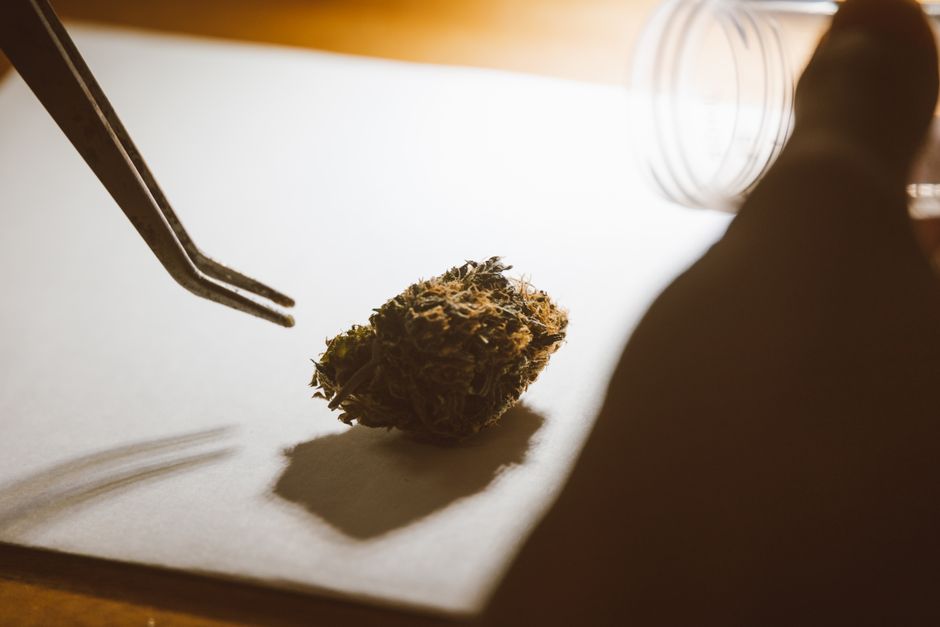
Trinity Growers Co. describes its cultivation as estate-grown, pesticide-free, and free of synthetic fertilizers. Those practices matter to people who care about inputs and a farm’s approach to the land. They are not, by themselves, proof of a particular third-party certification. Check the specific product information rather than assuming that the word organic on a website or conversation has a single legal meaning.
That distinction is especially relevant in California. According to Cal. Code Regs. Tit. 3, § 10103 – Use of the Terms Ocal and Organic, Cannabis operations are prohibited from selling, labeling, or referring to their products as organic, pursuant to section 26062.5 of the California Business and Professions Code. A consumer should distinguish a farm’s described cultivation practices from a product’s regulated label language.
OCal is a separate term in California’s cannabis rules. According to Cal. Code Regs. Tit. 17, § 22055 – Cannabis Products Labeled Ocal, Cannabis products manufactured with only OCal-certified cannabis and 95 percent or greater certified organic ingredients may be labeled ‘100 percent OCal,’ or ‘OCal’. Do not infer OCal status from general descriptions of sustainable farming. Look for the precise label and supporting product details.
Match the format to your priorities
Before buying, consider whether you want flower, an edible, or a vape cartridge. Flower lets you examine aroma and appearance; edibles suit people who prefer a food format; cartridges are an inhaled option. These formats differ in ingredients, use, and onset, so compare like with like instead of relying on a strain name alone.
For flower, check the product name, batch and test information shown on its label, and any available cultivation description. For edibles, review the ingredient list, serving directions, and package information before eating. For cartridges, look at the listed ingredients and avoid assuming a flavor description tells you what is in the oil. Our guide to organic cannabis for beginners explains the distinctions that help new shoppers compare formats.
Bring your real-world needs into the decision
Patients often need a repeatable product format and clear product details, not broad claims about what cannabis will treat. Food-focused shoppers may care about taste and ingredients as much as cannabinoid information. Eco-conscious consumers may prioritize cultivation inputs and estate-grown sourcing. Write down your priorities before comparing products so that a persuasive strain description does not distract you from the details that matter.
A step-by-step way to compare organic-minded cannabis
Follow the product from description to decision
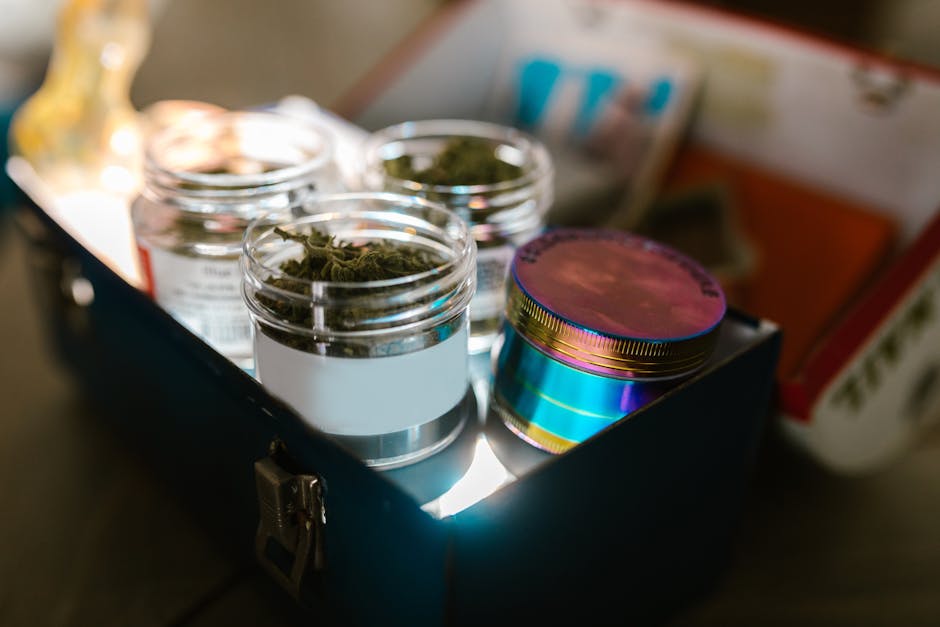
- Name your priority: Decide whether cultivation inputs, flavor, format, or a particular use case matters most. If pesticide-free practices lead your decision, look for that specific information instead of treating general sustainability language as a certification.
- Identify the product type: Separate flower, edibles, and vape cartridges in your comparison. A flower’s aroma is not comparable to an edible’s ingredient list, and a cartridge needs its own ingredient and label review.
- Read the package information: Check the product identity, ingredients where applicable, serving directions for edibles, and batch or test information displayed. If a label is unclear or incomplete, pause instead of filling in the gaps from a strain name or marketing description.
- Check the cultivation wording: Look for a clear description of farming inputs and whether a formal program is named. According to Cal. Code Regs. Tit. 3, § 10105 – Allowed and Prohibited Substances and Methods in Ocal Production, To be sold or labeled OCal, cannabis and nonmanufactured cannabis products shall be produced without the use of synthetic substances and ingredients, except as provided in The National List of Allowed and Prohibited Substances 7 CFR section 205.601. That is a specific standard, not a synonym for every sustainability claim.
- Compare the label with the claims: Product descriptions should not ask you to rely on unsupported potency or health promises. California rules also address product composition. According to Cal. Code Regs. Tit. 4, § 17300 – Prohibited Products, Any cannabis product containing any non-cannabinoid additive that would increase potency, toxicity, or addictive potential, or that would create an unsafe combination with other psychoactive substances including, but not limited to, nicotine, shall not be sold as cannabis products.
- Choose a cautious starting approach: For an edible, follow the package directions and allow time for its effects before considering another serving. For any cannabis product, avoid mixing it with other intoxicating substances and store it securely away from children and pets.
Pro Tip: When comparing two flower products, note the cultivation claims, product label details, and aroma separately. That simple comparison keeps a strong scent from being mistaken for proof of certification or a particular effect.
How to recognize a good fit, and when to get help
Look for clarity, not a promised outcome
A product is a better fit for your stated priorities when its format, label, and available cultivation information answer the questions you had before shopping. If you want an edible for food-forward enjoyment, an ingredient list and clear serving directions are more useful than a claim that it will produce a specific feeling. If you prioritize organic-minded cultivation, direct information about farming inputs is more useful than an unqualified adjective.
Watch for mismatches. A product marketed as natural may still leave its cultivation methods unclear. A strain name does not tell you everything about its cannabinoid profile, and aroma alone does not establish lab results.
Broad statements that a product treats a condition deserve particular caution. According to Cannabis: Frequently Asked Questions, Cannabis products purchased at a medical marijuana dispensary or at an OLCC licensed retail store may not contain labels that make claims that a cannabis product has curative or therapeutic effects. That statement concerns Oregon’s regulated retail context, not California law, but it is a useful reminder not to treat a label as medical advice.
For medicinal questions, consider your health history, current medications, and the reason you are considering cannabis. A dispensary or product seller can explain product details, but they cannot replace a clinician’s individualized guidance. Stop and seek appropriate help if you experience an unexpected or severe reaction.
Pro Tip: Keep the label or a photo of it when discussing a product with a clinician. The format, ingredients, and labeled cannabinoid information make the conversation more specific than a strain name alone.
Know when a product is not the right fit
A product is not a good match if you cannot confirm what it contains, cannot follow its use directions, or are relying on it to replace prescribed care. People who need to avoid intoxication, operate vehicles, or meet workplace requirements should consider those constraints before using cannabis. Edibles deserve particular care because their timing differs from inhaled products, and taking more too soon can lead to an unpleasant experience.
Our perspective
What we mean by careful cultivation
We are a family-owned micro grow farm in Trinity County, and since 2016 our focus has been sustainable farming and estate-grown cannabis without pesticides or synthetic fertilizers. We see cultivation details as part of product quality, not as a shortcut to a medical promise or a claim of certification. California’s rules make that distinction important, so we encourage shoppers to read the actual label and ask what a specific farming description means.
We would avoid choosing solely by potency, strain name, or a claim that sounds like a guaranteed result. Those shortcuts can leave out the details that matter to an individual shopper: flower versus edible, listed ingredients, aroma preferences, or the need for a predictable routine. For people interested in medicinal uses, our article on medicinal uses of organic cannabis offers context, but no cannabis product is a substitute for personal medical guidance.
Our approach is straightforward: describe the product and the cultivation practices honestly, and let consumers compare those details with their own priorities. We also believe family values and sustainable farming belong in the conversation, without using them to imply that every product is right for every person. Our benefits of choosing organic-minded cannabis provides more background on why cultivation choices matter to us.
When to bring in a professional
Prepare for a focused conversation
Bring the product label or a clear photo, the format you are considering, and a short list of your questions. If you are seeking medicinal cannabis, tell your healthcare professional what you hope to address and share relevant medications or health conditions. A clinician can help assess personal risks and whether cannabis fits your care, while a licensed retailer can explain product-specific information and local purchasing requirements.
A good product provider should be able to explain the difference between cultivation practices and certification, point to the information available for a specific product, and clarify serving directions without promising a cure. If the product’s label, ingredients, or claimed certification cannot be explained clearly, do not buy based on reassurance alone. For questions about a serious reaction, seek medical help rather than relying on a retailer to assess symptoms.
Your FAQ about Trinity Growers Co. organic products
What does organic mean for Trinity Growers Co. cannabis?
We use organic in the context of our cultivation focus: estate-grown cannabis produced without pesticides or synthetic fertilizers, with sustainable farming practices. That description does not automatically mean a product holds a separate organic certification or OCal status. California restricts cannabis operations from selling, labeling, or referring to products as organic, so consumers should distinguish our farming description from regulated label claims and check the product information itself.
Are Trinity Growers Co. products pesticide-free?
Our stated cultivation commitment is to grow cannabis without pesticides or synthetic fertilizers. That is a description of our farm practices, not a substitute for reading a specific product’s label or confirming what information is available for the item you are considering. If you need a particular assurance, such as a named certification or batch-specific testing details, look for that exact information rather than assuming it from the phrase pesticide-free.
How do I choose between flower, edibles, and vape cartridges?
Start with the format that suits your preferences and practical needs. Flower lets you assess aroma and appearance; edibles provide a food format and require attention to serving directions; cartridges are an inhaled option where ingredient information matters. Compare labels and available product details for each format.
Do not use a strain name or flavor description as a substitute for information about ingredients, cannabinoid content, or how a product may affect you.
Can I use Trinity Growers Co. cannabis for a medical condition?
People consider cannabis for many personal reasons, but no product description can determine whether cannabis is appropriate for your condition or predict a result. Share the specific product label, format, and your health questions with a qualified healthcare professional, especially if you take medication or have an ongoing condition. We can discuss product information, but that is different from diagnosing, treating, or recommending a medical plan.
Does Trinity Growers Co. sell OCal-certified products?
Do not assume OCal certification unless it is clearly identified for the specific product. California’s OCal rules set conditions for using that label, and a general statement about pesticide-free or sustainable farming does not establish certification. Check the product’s own label and available details, and ask for clarification if the certification wording is unclear. Our cultivation description and a formal program status are distinct pieces of information.
How Trinity Growers Co. helps you compare products
Product information grounded in our farm
We bring a grower’s perspective to questions about cultivation and product format. Trinity Growers Co. is a family-owned micro grow farm in Trinity County, focused on estate-grown cannabis and sustainable farming since 2016. Our product categories include cannabis cultivation and sales, edibles, and vape cartridges. Product details and availability should be checked for the specific item rather than assumed from a general category.
- Cultivation questions: We can explain our stated pesticide-free and synthetic-fertilizer-free farming approach.
- Format questions: Compare flower, edible, and vape options according to the product information and your own preferences.
- Flavor questions: Our guide to organic cannabis strain flavor profiles helps readers think about aroma and flavor without treating them as proof of an effect.
Ready to explore our products or ask about cultivation details? Contact Trinity Growers Co.
Conclusion
The most useful next step is to check the label and product details for the exact cannabis format you are considering, then compare that information with your priorities. Trinity Growers Co.’s farm practices include estate growing without pesticides or synthetic fertilizers, but California’s rules mean cultivation language and regulated organic or OCal labeling are not interchangeable.
For medicinal questions, bring the product information to a healthcare professional; for product questions, seek clear answers about ingredients, format, and any stated certification. A careful comparison helps you choose for the reasons that matter to you, without relying on an unsupported promise.
Sources
- Cal. Code Regs. Tit. 17, § 22055 – Cannabis Products Labeled Ocal
- Cal. Code Regs. Tit. 3, § 10103 – Use of the Terms Ocal and Organic
- Cal. Code Regs. Tit. 4, § 17300 – Prohibited Products
- RCW 15.125.030: Cannabis and cannabis products—Production and processing
- Nev. Admin. Code § 453A.504 – Labeling as “organic”
- Cannabis: Frequently Asked Questions
- Cannabis Product Labeling Prohibitions
- Cal. Code Regs. Tit. 3, § 10105 – Allowed and Prohibited Substances and Methods in Ocal Production