
The unique flavor profiles of organic cannabis strains come from their aromatic compounds, genetics, growing conditions, and post-harvest handling. Together, those factors shape whether a flower smells and tastes earthy, citrusy, floral, piney, or spicy. For cannabis enthusiasts, flavor can guide strain selection; for patients, it is one preference to weigh alongside product format and personal needs.
At Trinity Growers Co., our family-owned micro grow farm in Trinity County, California, we focus on estate-grown cannabis and sustainable practices without pesticides or synthetic fertilizers. Understanding what creates flavor helps you compare products more thoughtfully, while remembering that aroma is not a promise of a particular effect or a substitute for a product’s verified information.
Key takeaways
Cannabis flavor is a sensory result of genetics, aromatic compounds, cultivation, curing, and storage, so compare the actual flower rather than relying on strain names alone.
What shapes the unique flavor profiles of organic cannabis strains?

Aroma begins with the plant, not the label
A cannabis strain’s flavor profile is the combination of scents and tastes people notice in its flower. Aromatic compounds called terpenes contribute recognizable notes such as citrus, pine, herbs, flowers, and spice. The plant’s genetics influence which compounds it produces, but the final aroma is also shaped by how it grows and how the harvested flower is handled.
A strain name is a useful starting point, not a guarantee of a specific taste. Different growers, harvests, and batches can express different aromas under the same name. Even within one batch, a person may describe a scent as lemony while another calls it sharp or herbal. That subjectivity is why a direct sensory check is more useful than assuming every named strain will match a familiar description.
Growing and curing help preserve character
At Trinity Growers Co., we grow our cannabis on our Trinity County farm and focus on sustainable practices, without pesticides or synthetic fertilizers. Those practices describe how we approach cultivation; they do not mean that every organically grown flower has the same flavor, or that a particular aroma proves how it was grown.
After harvest, drying and curing matter. Flower that is dried too quickly can lose some of its aromatic character, while excess moisture creates a different concern: flower should be stored and handled appropriately, not treated as better simply because it feels damp or smells strong. Careful post-harvest handling aims to preserve the plant’s natural aroma without masking it with added fragrance.
For a broader overview of what organic cultivation means in practice, read our guide to the benefits of choosing organic cannabis. It can help separate cultivation practices from assumptions about flavor or potency.
Use your senses, then check the product details
When possible, notice the flower’s aroma before choosing. A clear scent can help you identify the flavor family you enjoy, but appearance and aroma alone cannot tell you the full cannabinoid content, potency, or suitability for your needs. Product information and compliant packaging remain important parts of the decision.
Our guide to organic cannabis for beginners explains additional considerations for comparing products. In practice, keep flavor in its proper role: it is a valuable preference, not a standalone measure of quality or a predictor of how a product will feel.
What changes flavor from one batch to another?
Genetics, growing conditions, and harvest timing
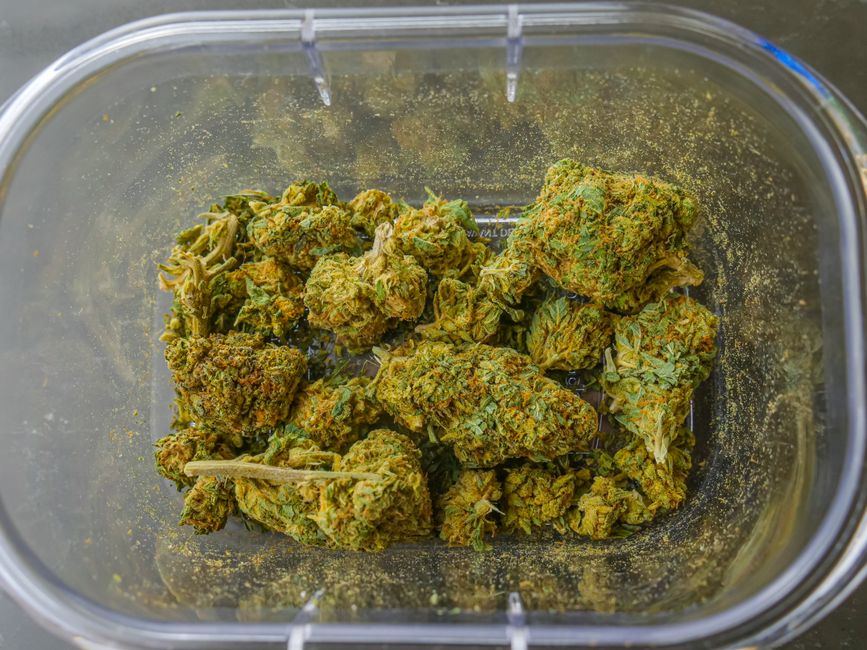
Genetics set a plant’s potential, but growing conditions influence how that potential shows up. Light, temperature, airflow, water management, and the plant’s overall health all affect cultivation. A grower has to monitor these factors together: changing one condition to chase a stronger aroma can create other problems if the plant becomes stressed or the environment falls out of balance.
Harvest timing is another factor. Trichomes, the small resin glands on cannabis flower, are one part of a grower’s assessment of maturity. Harvesting too early or too late changes the condition of the flower, and a label or strain name cannot explain those details by itself. Cultivation decisions are made across the plant’s growth, not just at harvest.
Drying, curing, and storage
Once flower is harvested, drying and curing affect moisture and aroma. Rushed drying can leave a harsh impression or reduce delicate aromatic notes. Poor storage can also dull a previously distinctive scent. Keep flower in its original, appropriate packaging and follow its storage directions; avoid leaving it exposed to heat, direct light, or open air.
Transportation and time between harvest and purchase matter, too. Local sourcing does not automatically guarantee freshness, but it can make it easier to ask about the product and its handling. Check the package information and ask a retailer what details are available for the specific batch, rather than assuming every product from one farm has identical characteristics.
Personal perception is part of the profile
Taste and smell vary from person to person. A person who enjoys a sharp, pine-forward aroma might find a sweet, floral flower too perfumed. Someone else may prefer subtle scents, especially if they share living space or want to keep cannabis aroma discreet. Your preference is a practical selection factor, not something you need to justify.
Pro Tip: Compare two flower options in the same session by noting their scent before considering their names. Write down two or three specific impressions, such as “dried herbs,” “lemon peel,” or “fresh pine,” rather than relying on a broad label like “strong.”
For a closer look at the range of sensory descriptions, see our article on exploring organic cannabis flavor profiles. Use its flavor language as a vocabulary guide, not as a guarantee that a current batch will smell exactly the same.
A practical checklist before choosing a strain
Make the comparison concrete
Use this checklist when you are selecting organic cannabis flower, especially if a familiar strain name or a tempting aroma is doing most of the persuading. A few specific checks can help you choose according to what you actually value.
- Name your preferred flavor family: Decide whether you lean toward citrus, fruit, earth, wood, pine, herbs, floral notes, or sweetness. Specific preferences make comparisons easier than asking for something that simply “tastes good.”
- Check the exact product and batch: Look at the package and available product details. Confirm the product type and any information relevant to your choice instead of assuming that a strain name tells the whole story.
- Notice freshness and storage information: Check the packaging condition and follow the storage guidance. A flat aroma can result from handling or time, while a loud scent alone does not establish quality.
- Keep flavor separate from potency: Aroma does not confirm cannabinoid levels or predict your response. Review product information and choose an amount and format appropriate to your own experience and circumstances.
- Think about where you will use it: Strong-smelling flower may not suit a shared home or a situation where discretion matters. A preferred flavor is only useful if the product format works for your setting.
- Consider your reason for choosing cannabis: If you are a patient, track product details and your own response rather than using aroma as a medical indicator. Do not replace care from your health professional with a flavor description.
- For edibles, assess flavor differently: The cannabis aroma of flower is not the same as the taste of a finished edible. Read the product information, serving details, and ingredient information before choosing a food product.
Pro Tip: If you are comparing products over time, keep a simple note of the product name, batch information, aroma, and your own preference. That record helps you distinguish a strain you enjoy from one particular batch you happened to like.
Ready to compare organic cannabis options with us? Contact our team to discuss what you’re looking for.
Our perspective
We approach flavor as one part of a well-grown cannabis product, alongside responsible cultivation, careful handling, and clear product information. As a family-owned micro grow farm in Trinity County, we estate-grow our cannabis and focus on sustainable practices, without pesticides or synthetic fertilizers. Those are specific commitments to how we farm, not a promise that every flower will suit every palate.
We advise people to start with the characteristics they genuinely enjoy. If you like bright, citrus-like aromas, say so. If you prefer a quieter, earthy scent, that is just as useful. Then look at the product in front of you and its available details, rather than buying solely because a strain name is familiar or a description sounds impressive.
We avoid treating “organic” as a flavor category. Organic cultivation describes a way of farming, while citrus, floral, herbal, and earthy describe sensory impressions. The two ideas can be relevant to the same product, but neither one proves the other.
We also avoid suggesting that flavor predicts therapeutic benefit. For someone choosing cannabis for a medical reason, aroma is a personal preference to consider alongside reliable product information and guidance from their care team.
When to bring in a cannabis professional
A knowledgeable cannabis retailer or qualified health professional is useful when your decision involves more than flavor. Patients managing a health condition, people taking medications, and anyone who is unsure how a product fits their circumstances should bring those questions to a qualified health professional. A flavor profile cannot establish that cannabis is appropriate for a particular condition or person.
Before discussing a purchase, have the exact product name or package details, your preferred format, and the flavor notes you enjoy or want to avoid. If you are comparing flower, note whether you prefer a subtle or pronounced aroma. For edibles, bring questions about serving information, ingredients, and how the product is labeled. Do not bring assumptions based only on a strain name.
A good provider should be able to explain what the product information does and does not tell you, how to distinguish aroma from potency claims, and what details are available for the specific item. They should not promise a medical result or claim that an earthy or citrus scent guarantees an effect. If those boundaries are unclear, pause before choosing.
Frequently asked questions
What creates the flavor of an organic cannabis strain?
Flavor comes from the plant’s aromatic compounds, including terpenes, as well as genetics and the conditions in which the plant is grown. Harvest timing, drying, curing, and storage also influence what you notice in the finished flower. Organic cultivation practices describe how a crop is grown; they do not create one universal “organic” taste.
Two batches with the same strain name can smell or taste different, and individual perception plays a role.
Do organic cannabis strains taste better than other strains?
“Better” is a matter of preference. Some people choose organically grown cannabis because they value the cultivation approach, while their favorite flavor might be citrusy, earthy, floral, or something else entirely. Organic practices do not guarantee a stronger aroma or a taste everyone will prefer. Compare the available product details and the actual flower when possible, and distinguish your personal flavor preference from claims about potency, quality, or effects.
Does a strong aroma mean a cannabis strain is fresh or potent?
No. A pronounced smell can be part of a flower’s natural aromatic profile, but scent alone does not confirm freshness, potency, cannabinoid content, or quality. Storage and handling affect aroma, and some varieties naturally smell more strongly than others. Check the package and product information, and avoid using smell as a substitute for verified details.
A muted scent is not enough, by itself, to determine why a product smells that way.
How should I compare cannabis flower and cannabis edibles by flavor?
Treat them as different products. Flower’s aroma comes from the plant and is noticed before use, while an edible’s taste depends on the finished food and its ingredients as well as its cannabis formulation. A strain’s scent does not tell you what an edible will taste like.
Read the edible’s serving and ingredient information, and review its labeling rather than assuming it carries the flavor profile of the flower used to make it.
How Trinity Growers Co. helps you explore flavor
Trinity Growers Co. is a family-owned micro grow farm in Trinity County, California. Since 2016, we have focused on estate-grown cannabis and sustainable cultivation without pesticides or synthetic fertilizers. Our work centers on cannabis cultivation and organic cannabis sales, with an approach that values the plant’s character rather than relying on artificial flavor descriptions.
For someone exploring flavor, the most useful starting point is to describe what they like and check the details of the specific product. Flower and edibles are not interchangeable sensory experiences, and product information matters as much as a flavor note when you are making a choice.
- Cannabis cultivation: We grow cannabis on our farm, with sustainable practices and attention to the crop throughout cultivation.
- Organic cannabis sales: Our products are intended for people seeking cannabis grown without pesticides or synthetic fertilizers.
- Edibles: Consider the finished product’s own taste and labeling rather than inferring its flavor from a flower strain.
If you want to talk through what you’re looking for, get in touch with Trinity Growers Co..
Conclusion
The most useful next step is to identify the flavor notes you actually enjoy, then compare those preferences with the details of a specific cannabis product. Strain names offer context, but genetics, cultivation, harvest, curing, storage, and personal perception all shape the experience. Organic farming is a cultivation approach, not a promise of a particular taste or effect.
At Trinity Growers Co., our estate-grown cannabis reflects a family-owned farm’s commitment to sustainable practices without pesticides or synthetic fertilizers. Keep flavor in perspective, check the product information, and choose a format that fits your needs. If you are selecting cannabis for a medical reason, base health decisions on qualified guidance, not aroma alone.