
Family values shape organic cannabis at Trinity Growers Co. by guiding how we grow, how we think about quality, and how we communicate with customers. We are a family-owned micro grow farm in Trinity County, California, and since 2016 our focus has been estate-grown cannabis produced without pesticides or synthetic fertilizers. For people comparing products, that matters as a farming commitment, not a promise that every product suits every person or purpose.
It also calls for clear language: California regulates how cannabis businesses may use the word organic, so customers should distinguish sustainable growing practices from an official certification or label. Knowing those differences helps enthusiasts, patients, and food-minded consumers make a more informed choice.
Key takeaways
Family values matter most when they show up in practical growing standards, honest product information, and respect for the limits of cannabis claims.
A quick decision guide
How family values shape the way cannabis is grown
Consistency starts with the farm
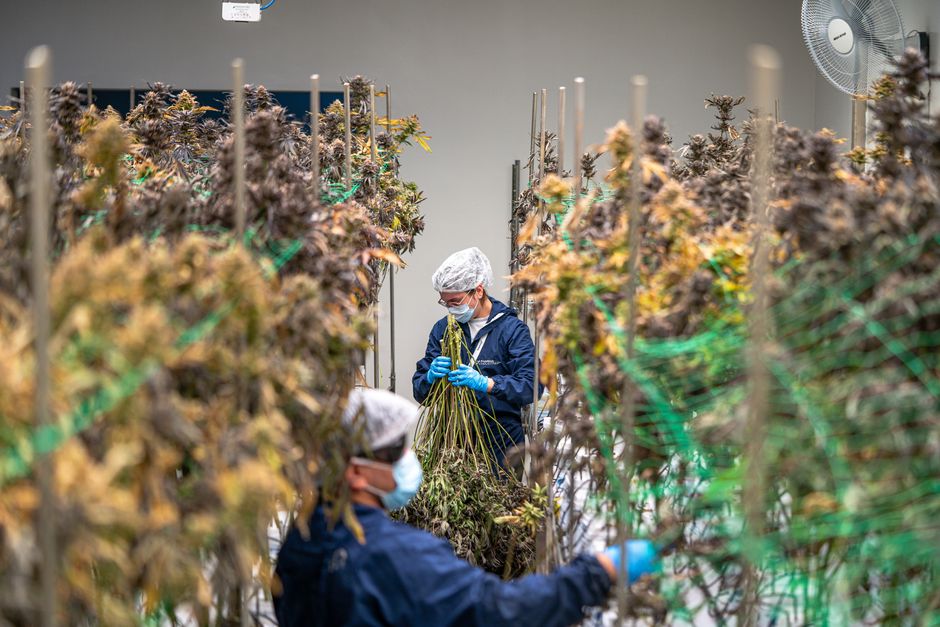
A family business often has a closer connection between its decisions and its name. At Trinity Growers Co., that connection is grounded in being a family-owned micro grow farm in Trinity County and growing our cannabis on our own estate. We have focused on sustainable farming since 2016, with no pesticides or synthetic fertilizers in our cultivation approach.
That is a specific commitment, not a claim that every farm using family language follows the same practices. For a customer, the useful question is what the values change in the work: which inputs are excluded, where the cannabis is grown, and how the grower describes the resulting product. Our estate-grown cannabis approach explains why origin is part of how we think about cultivation.
Stewardship is visible in choices
Sustainable agriculture is not a single product feature. It is a way of making cultivation decisions with the growing site and the quality of the crop in view. Avoiding pesticides and synthetic fertilizers is one concrete boundary in our approach. It gives customers a clearer basis for comparing a grower’s practices instead of relying on broad words such as clean or natural.
California’s rules also make precise wording essential. According to Cal. Code Regs. Tit. 3, § 10103, cannabis operations are prohibited from selling, labeling, or referring to their products as organic, pursuant to section 26062.5 of the California Business and Professions Code. We use organic as a description of the farming values in this article, not as a claim that our products hold an organic certification.
Trust depends on clear limits
Family values are not a substitute for evidence about a particular item. A growing philosophy does not tell you the exact cannabinoid content, how an edible will feel, or whether a product fits a medical need. Look at the product information and follow its directions, especially when comparing flower with an edible or vape cartridge.
According to Cal. Code Regs. Tit. 4, § 17408, any statement or indication that a cannabis product is OCal, OCal certified, or made with OCal cannabis is restricted if it has not been cultivated, handled, processed, or manufactured in compliance with the requirements of the programs established pursuant to the regulation. That distinction helps explain why a farm’s cultivation values and a regulated certification claim are not interchangeable.
How to choose what fits your situation

Start with the product format
The right comparison depends on what you are buying. Flower lets you consider the cultivated product directly, while an edible brings an additional food format and serving directions into the decision. A vape cartridge is a different format again, with its own package information. Do not assume the same preferences or expectations transfer across all three.
If you are choosing an edible for its flavor, read the ingredient and serving details before choosing by flavor alone. Our guide to different types of cannabis edibles can help you understand the format distinctions. For flower, consider whether estate origin and the farm’s stated cultivation practices are priorities for you.
Compare the claim with the detail
A useful way to assess a family grower is to separate a value statement from a checkable product detail. “Sustainable” describes a direction; “estate-grown” tells you something about where the crop comes from; “pesticide-free” identifies an input commitment. None of those statements alone supplies every detail a shopper needs about an individual item.
Research on cannabis contamination regulations also gives context for careful product questions. According to the study Comparison of State-Level Regulations for Cannabis Contaminants and Implications for Public Health, as of 18 May 2022, 36 states and the District of Columbia listed a total of 679 cannabis contaminants as regulated in medical or recreational cannabis, including 551 pesticides, 74 solvents, 12 inorganics, 21 microbes, 5 mycotoxins, and 16 other contaminants.
That study reports a count of regulated contaminants, not a finding about Trinity Growers Co. products.
Use a short checklist
- For cultivation priorities: Confirm whether estate-grown origin and the stated pesticide and synthetic fertilizer exclusions match what you are seeking.
- For product-specific questions: Read the package information, including serving directions for edibles, and request available batch or product documentation where relevant.
- For medical use: Treat cannabis as a personal health decision, not as a guaranteed treatment. A clinician can help assess whether a product format or use is appropriate for your situation.
- For environmental priorities: Ask what the grower means by sustainable farming rather than inferring water, energy, or packaging practices that have not been stated.
Pro Tip: Keep a photo of the label and package directions for any edible you are comparing. It makes it easier to distinguish product details from the flavor or cultivation claims that first caught your attention.
What the process looks like once you decide
From priorities to a considered choice
- Name your priority: Decide whether your main concern is cultivation inputs, estate origin, product format, flavor, or a combination. Ranking priorities helps prevent one appealing claim from overshadowing the rest.
- Choose the format: Compare flower, edibles, or vape cartridges according to how you want to use the product. For edibles, start with the serving information and directions on the package rather than making assumptions based on size or taste.
- Read cultivation language carefully: Identify whether the product information describes a farm practice, a place of origin, or a formal certification. California’s restrictions mean those terms should not be treated as synonyms.
- Check the product details: Review the package and any available product-specific information. For a question about a particular batch, ask the seller what documentation is available and what it does, and does not, establish.
- Consider your own circumstances: If you are seeking cannabis for a health concern, discuss use with a qualified health professional who understands your medications and medical history. No farming method can establish that a product is right for an individual patient.
- Store and use it as directed: Follow the product’s label directions and keep cannabis products away from children and pets. Keep edible packaging identifiable so it is not mistaken for ordinary food.
Pro Tip: When comparing two products, write down the format, cultivation claim, and package directions separately. That simple comparison keeps an estate-grown claim from being mistaken for a serving or potency detail.
Know what certification language means
California’s OCal program is a separate regulatory framework, not a casual synonym for pesticide-free farming. According to the CDFA OCal Cannabis Certification Program, the OCal Program is currently accepting applications for registration and accreditation of certifying agents. The program’s existence does not establish that a particular farm or product is certified.
For another kind of origin framework, the CDFA Cannabis Appellations Program statutory and regulatory history states that on February 2, 2024, CDFA released a second round of regulations. The new regulations require all cultivation activities, including planting, growing, harvesting, drying, curing, grading, and trimming, to occur within the appellation of origin boundary. These rules illustrate why geographic claims require specific standards, rather than a general impression about where cannabis comes from.
Our perspective
We see family values as a standard for making choices we can explain plainly. Trinity Growers Co. is a family-owned micro grow farm in Trinity County, and our cultivation focus since 2016 has been sustainable farming without pesticides or synthetic fertilizers. Estate-grown production connects that commitment to the place where our cannabis is cultivated.
We would avoid treating “family-owned” as proof of quality on its own. It matters only when the growing approach and product information give customers something concrete to evaluate. We also avoid presenting cultivation values as a medical promise. A pesticide-free approach does not establish that a product will produce a particular effect, and it does not replace product-specific information or a patient’s own health guidance.
The word organic requires special care in California cannabis conversations. We understand why customers use it to describe a preference for farming without synthetic fertilizers or pesticides, but California restricts businesses from referring to cannabis products as organic. We can still explain our farming priorities accurately, without suggesting that a regulated certification exists when it has not been established.
That distinction is part of the honesty we want customers to expect from a family business.
When to bring in a professional
Get the right kind of help for the question
A licensed cannabis retailer or product representative is the right contact for questions about product availability, package information, and what documentation is available for a specific item. Bring the product name, batch or lot details if shown, and a clear question, such as whether a stated cultivation practice applies to that specific product. A good provider should separate what they know from what they cannot verify.
For health questions, speak with a qualified healthcare professional, especially if you take prescription medication, have a medical condition, or are considering cannabis for symptom management. Bring the product label and describe the format you are considering. A cannabis grower can explain cultivation values, but cannot determine whether cannabis is suitable for your medical circumstances.
If your concern is certification or a regulated label term, ask the seller to identify the exact certification and the product or operation it covers. A credible answer should not blur a farming preference, a batch document, and a formal certification into one claim.
FAQ
What do family values mean in organic cannabis?
In this context, family values are reflected in the grower’s priorities and the clarity of its commitments. At Trinity Growers Co., that means a family-owned micro grow farm in Trinity County, estate-grown cannabis, and a focus on sustainable cultivation without pesticides or synthetic fertilizers. Those details help customers assess the approach, but they do not amount to a certification or a promise about how a product will affect an individual.
Is Trinity Growers Co. cannabis certified organic?
This article does not claim that Trinity Growers Co. products are certified organic. California rules prohibit cannabis operations from selling, labeling, or referring to cannabis products as organic, as described in Cal. Code Regs. Tit. 3, § 10103. Our use of organic in this article describes a farming preference and cultivation values, not a formal certification or permission to use a regulated product label.
What does estate-grown cannabis tell me?
Estate-grown indicates that the cannabis is grown on the farm associated with the product, rather than being presented only as a general sourcing claim. At Trinity Growers Co., our cannabis is estate grown at our Trinity County micro grow farm. Origin is useful information, but it does not tell you the product’s exact composition, serving directions, or personal suitability, so review those details separately.
How can I evaluate a pesticide-free claim?
Start by checking what the grower says the claim covers and whether it applies to the product you are considering. Trinity Growers Co. states that its cultivation is conducted without pesticides or synthetic fertilizers. A cultivation commitment is not the same as a guarantee that every possible contaminant is absent, so use product-specific information and available documentation to answer questions about an individual item.
Are organic cannabis edibles different from flower?
They differ first by format: an edible is a prepared product with serving directions, while flower is the cultivated plant material. Flavor, ingredients, and package directions matter when comparing edibles, and a cultivation philosophy does not tell you how an edible will affect you. California’s restrictions on referring to cannabis products as organic also apply to how product claims should be understood. Read the package and follow its directions.
What should patients ask before choosing cannabis?
Patients should bring a clear question about the product format, package information, and intended use to a qualified healthcare professional. Share the product label and relevant medication or health details with that clinician. A grower can explain cultivation practices, such as estate origin and excluded inputs, but cannot determine whether a product is appropriate for a patient or promise a medical result.
How Trinity Growers Co. brings family values to cannabis
Our work begins with a straightforward commitment: grow estate cannabis in Trinity County using a sustainable approach that excludes pesticides and synthetic fertilizers. We focus on sharing the cultivation perspective behind our products while recognizing that customers need to consider format, label information, and personal circumstances too. Our pesticide-free cultivation approach offers more detail on why that growing priority matters to us.
- Cannabis cultivation: Estate-grown production at our family-owned micro grow farm.
- Organic cannabis sales: A farming-values perspective, described with care around California’s rules for product claims.
- Edibles and vape cartridges: Product formats for customers to compare using their package details and directions.
Ready to discuss our cultivation values and products? Contact our team.
Conclusion
Make the growing claim only one part of your decision
The clearest way to understand family values organic cannabis Trinity Growers Co. is to look at the commitments behind the words: family ownership, estate-grown cultivation in Trinity County, and a sustainable approach without pesticides or synthetic fertilizers. Then compare those priorities with the product’s own information and the format you are considering.
Your next step is to decide which detail matters most to you, whether that is farm origin, cultivation inputs, or edible serving information, and verify that detail before choosing. Keep California’s restrictions on organic cannabis claims in view, and seek qualified health guidance when the decision involves medical use. A well-informed choice starts with accurate language and a product-specific question.
Sources
- Cal. Code Regs. Tit. 4, § 17408 – Labeling Restrictions
- CDFA – IS – OCal Cannabis Certification Program
- CDFA – OARS – Cannabis Appellations Program – Statutory and Regulatory History
- Cal. Code Regs. Tit. 3, § 10103 – Use of the Terms Ocal and Organic
- Comparison of State-Level Regulations for Cannabis Contaminants and Implications for Public Health
- Governor Hochul Announces Approval of First Adult-Use Cannabis Conditional Cultivation Licenses to Farms in New York