

Sustainable cannabis farming at Trinity Growers Co. means growing estate-grown cannabis in Trinity County without pesticides or synthetic fertilizers, while keeping quality and environmental care in view. Since 2016, our family-owned micro grow farm has focused on organic cannabis and sustainable cultivation. For consumers, the details behind those words matter: what goes into a crop, how it is grown, and whether the producer can explain its choices.
A careful look at cultivation practices helps enthusiasts compare products, supports patients who value consistency and transparency, and gives eco-conscious shoppers a clearer basis for choosing. It also helps foodies select cannabis products with a better understanding of the flower behind an edible.
Key takeaways
Sustainable cannabis farming is best judged by specific growing inputs, environmental safeguards, and clear product information, not by broad claims alone.
What to check before choosing an organic cannabis farm
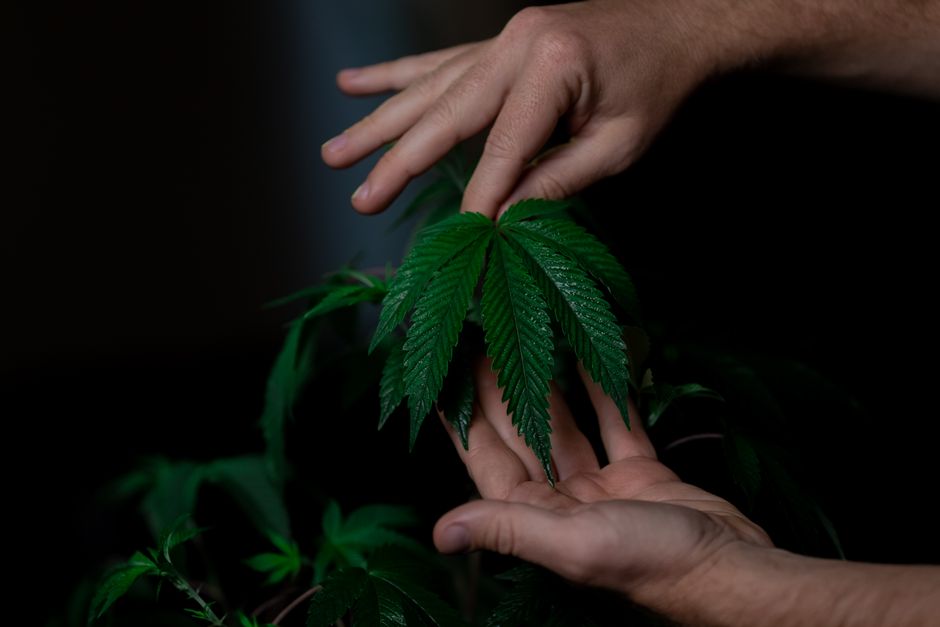
Start with the meaning of “organic”
In cannabis shopping, “organic” is not enough information on its own. Ask what the grower means by it and which inputs are excluded. Trinity Growers Co. describes its cannabis as estate grown without pesticides or synthetic fertilizers. That is a concrete description of our approach, but it is not a claim of third-party organic certification.
For shoppers, the distinction helps avoid assuming that every product described as organic follows the same standard. Check the product label and available product information for cultivation details, batch identification, and any applicable testing information. If a detail is not provided, treat it as unknown rather than filling in the gap with an assumption.
Consider the farm’s footprint
Cannabis cultivation involves choices about soil, water, plant health, and waste. A farm’s environmental approach should be more specific than a broad “green” message. Useful questions include whether the grower uses synthetic fertilizers or pesticides, how it monitors plant stress, and how it considers runoff and water stewardship.
California’s rules matter here. According to the California Department of Cannabis Control Regulations, licensed cultivators in California must comply with environmental protection measures, including principles and guidelines adopted pursuant to section 13149 of the Water Code. That requirement is a regulatory baseline, not proof that every farm uses the same cultivation methods.
Match the product to your reason for buying
A patient looking for a familiar product should prioritize clear labeling and consistent product information. An eco-conscious shopper may also want to understand the farm’s growing inputs. Someone choosing an edible should consider the cannabis product, the serving information, and the food format together. Our guide to choosing an organic cannabis edible walks through factors to consider when comparing edible options.
Do not treat “organic” as a substitute for checking suitability. Product type, individual response, legal availability, and personal health circumstances all affect what makes sense for a shopper. Cannabis products are not a fit for everyone, and a sustainable growing method does not establish a medical benefit.
A practical way to assess sustainable cultivation

Work through the growing choices in order
- Identify the cultivation claim: Find out whether the product is estate grown and what the grower means by organic. Look for a direct explanation of excluded inputs, rather than relying on a label alone.
- Check input practices: Ask specifically about pesticide and synthetic fertilizer use. A grower should be able to describe its approach in plain language and avoid implying that “natural” automatically means harmless.
- Look for plant-health monitoring: In organic cannabis farming, preventing a pest problem from spreading is more useful than reacting after damage is widespread. Ask what signs the grower watches for, such as leaf changes, visible pests, or uneven growth, and how it responds within its stated input limits.
- Consider water and soil: Ask how cultivation accounts for irrigation, soil condition, and runoff. These are practical parts of environmental stewardship, even when a farm does not publish a detailed environmental report.
- Review product information: Check the product type, batch details, and any available test or label information before buying. For flower, freshness and storage affect the experience after cultivation; see our advice on storing organic cannabis products for freshness.
- Compare like with like: Compare flower with flower or edibles with edibles, not cultivation claims alone. Consider the information you need, your intended use, and whether the product is legally available where you are.
Pro Tip: When evaluating an organic cannabis claim, ask which specific inputs are excluded and how the grower describes its pest-management approach. Those answers are more useful than a broad sustainability slogan.
Keep hemp and cannabis rules distinct
Agricultural rules for hemp can illustrate why crop and jurisdiction details matter, but they should not be confused with the requirements for a California cannabis farm. According to the European Commission’s hemp information, farmers must use certified seed of varieties listed in the EU common catalogue of varieties of agricultural plant species. In 2024, 116 hemp varieties are registered in this catalogue.
That is a fact about hemp in the EU, not a description of Trinity Growers Co.’s cannabis cultivation.
New York provides another example of a jurisdiction-specific policy. According to Governor Hochul’s announcement on the conditional cultivation bill, the Conditional Adult-use Cannabis Cultivator license allows existing New York hemp farmers to apply for a conditional license to grow cannabis in the 2022 growing season. A policy from another state does not define California farm practices.
Ready to explore estate-grown cannabis from our family farm? Get in touch with Trinity Growers Co.
Signs a farm’s approach is credible
Look for specifics, not just outcomes
A credible sustainability explanation connects a claim to a real cultivation choice. “Grown without pesticides or synthetic fertilizers” identifies inputs. “Estate grown” tells you the farm is connected to its crop. Neither phrase, by itself, explains water use, soil management, or pest monitoring, so a grower should be careful not to suggest that one detail proves every part of environmental performance.
Product information should also make it possible to understand what you are buying. For flower, look for clear product identity and applicable batch information. For edibles, read the serving and ingredient details rather than assuming the farm’s cultivation approach answers questions about the finished food product. Our guide to navigating cannabis edibles covers considerations for choosing and using edible products.
Notice when a claim needs more explanation
- Unqualified “chemical-free” language: It is vague and does not tell you which cultivation inputs are actually excluded.
- A certification implied but not named: Do not assume that “organic” means a farm has third-party certification. Ask what standard, if any, the claim refers to.
- No distinction between crop and product: A cultivation statement does not answer every question about an edible, vape cartridge, or finished product.
- Environmental benefits without a method: If a farm makes claims about water, soil, or waste, look for a plain explanation of the practice behind them.
Pro Tip: Compare the same product category and read its label before comparing sustainability statements. That makes it easier to separate cultivation details from differences in product format or serving information.
Know when to seek expert help
A product’s growing method does not establish that it is appropriate for a medical condition or that it will produce a particular effect. Patients should use product information as one part of their decision, not as a substitute for individualized medical guidance. Anyone unsure about a cannabis product’s suitability should speak with a qualified healthcare professional who understands their circumstances.
For cultivators, environmental compliance questions need the right expertise too. California’s licensed cultivation rules include environmental protection measures, and the relevant obligations depend on the activity and applicable regulations. A grower facing a compliance, water-management, or pest issue should get guidance from an appropriate specialist rather than treating consumer-facing sustainability advice as a regulatory interpretation.
Our perspective
We are a family-owned micro grow farm in Trinity County, and our work has centered on organic cannabis since 2016. We grow our cannabis on our estate without pesticides or synthetic fertilizers. Those are the cultivation details we can state clearly, and we believe that straightforward information is more useful to shoppers than a claim that tries to cover every part of sustainability at once.
We encourage people to look beyond a single word on a package. Ask what the grower actually does, what the claim does and does not cover, and whether the product information suits your needs. A pesticide-free growing approach is meaningful, but it does not by itself prove a particular environmental outcome or tell a patient how they will respond to a product.
We also avoid treating one product format as right for every customer. Someone comparing flower, a vape cartridge, or an edible has different information to check. Product choice should reflect the form you want, the details available, and your own situation. A responsible farm explains what it knows and does not turn cultivation values into promises about health, potency, or results.
When to bring in a specialist
Bring in a qualified specialist when your question involves cannabis and a medical condition, a potential interaction, or whether a product is appropriate for you. Prepare the product label and the specific questions you have, including the product format and any serving information. A healthcare professional should explain the limits of what is known for your situation rather than promise a particular outcome.
For a farm or license holder, seek regulatory or environmental expertise when interpreting cultivation requirements, addressing a compliance concern, or planning a change that affects water, runoff, or pest management. Bring the relevant license or operation details, the site conditions, and a clear description of the issue. A sound provider should explain which rules apply, what information supports that interpretation, and where the advice stops. General consumer guidance cannot replace site-specific or legal review.
Frequently asked questions
What does sustainable cannabis farming mean?
Sustainable cannabis farming describes cultivation choices intended to account for the crop’s environmental footprint, including growing inputs, soil, water, and pest management. The term alone does not name a single required method or prove a specific outcome. For shoppers, the useful next step is to ask what a farm actually does and what its claims cover. Trinity Growers Co. identifies its cannabis as estate grown without pesticides or synthetic fertilizers.
Is Trinity Growers Co. cannabis certified organic?
Trinity Growers Co. describes its cannabis as organic and states that it is estate grown without pesticides or synthetic fertilizers. Those details do not establish that the farm holds a third-party organic certification, and we do not claim one here. If certification matters to your purchase, look for a named certifying standard and supporting documentation rather than assuming the word “organic” means the same thing across all cannabis products.
How can I tell whether a cannabis product is sustainably grown?
Start with the grower’s stated cultivation practices. Look for specific information about inputs, estate-grown sourcing, and the farm’s approach to soil, water, and pest monitoring. Then check the product label and available batch information. A vague environmental claim does not tell you how cannabis was grown, while a specific input statement still does not answer every environmental question. Compare products using the same criteria and product type.
Does pesticide-free cannabis mean it has no environmental impact?
No. Avoiding pesticides is one cultivation detail, not proof of zero environmental impact. Cannabis farming also involves choices about water, soil, energy, packaging, and waste. A grower should not imply that one positive practice settles every environmental question. Consumers can use pesticide information as a meaningful comparison point, then ask what is known about other parts of cultivation and distinguish documented practices from broad promotional language.
Is sustainable cannabis automatically better for medical use?
No. A sustainable or pesticide-free cultivation approach does not establish that a product treats a condition, is suitable for a particular patient, or will produce a predictable effect. Patients should review the product information and consider their personal health circumstances. If there are questions about suitability, interactions, or use alongside treatment, bring the label and questions to a qualified healthcare professional. Growing practices and medical guidance answer different questions.
What should I check before buying a cannabis edible?
Read the product and serving information, ingredient details, and any available batch information. Consider whether the format fits your preferences and remember that the cultivation story does not replace details about the finished edible. If you are new to edibles or comparing options, take time with the label and use the product only as permitted where you live.
Our edible guides offer additional help with comparing formats and choosing a product.
How Trinity Growers Co. supports sustainable cannabis choices
Our role begins with cultivation: we are a family-owned micro grow farm in Trinity County, focused on estate-grown cannabis without pesticides or synthetic fertilizers. That gives customers a clear starting point when they want to understand our approach. Our products also serve different preferences, so the right information depends on whether you are considering flower, an edible, or a vape cartridge.
- Cannabis cultivation: Estate-grown cannabis from our Trinity County farm.
- Organic cannabis sales: Products grown without pesticides or synthetic fertilizers.
- Edibles and vape cartridges: Different formats for customers comparing how they prefer to shop for cannabis.
We do not suggest that cultivation claims guarantee a medical result or prove every environmental outcome. We want customers to make an informed choice based on product information and their own needs. Have a question about our products or growing approach? Contact Trinity Growers Co.
Conclusion
The most useful next step is to evaluate a cannabis farm by its specific practices, not by a sustainability label alone. Ask what inputs are excluded, what the grower means by organic, and what product information is available. Keep cultivation claims separate from certification, medical suitability, and environmental outcomes that have not been established.
At Trinity Growers Co., our stated commitment is clear: we are a family-owned micro grow farm in Trinity County, producing estate-grown cannabis without pesticides or synthetic fertilizers. Use those details as a starting point, compare the product information that matters to you, and choose a product that fits your preferences and circumstances.