
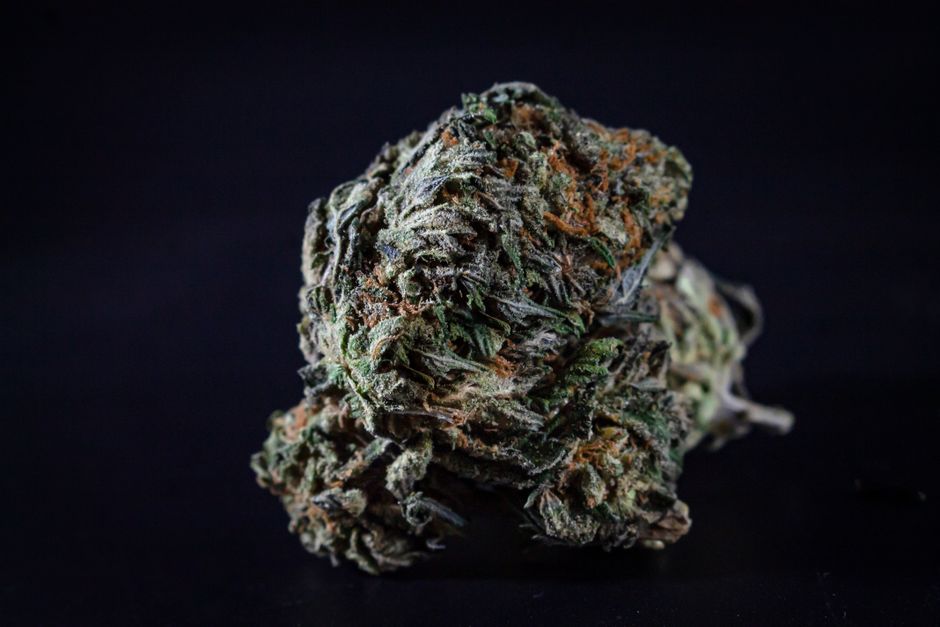
To store organic cannabis products, keep each item in its original, clearly labeled packaging, sealed and secured away from heat, light, moisture, air, children, and pets. A consistent, cool, dark storage spot helps protect flower aroma and texture, while edibles and vape cartridges need product-specific handling that follows their labels. People choosing organic cannabis, including patients who rely on a familiar product and food lovers saving an edible for later, benefit from keeping products separate and checking their condition before use.
Our farm is family-owned and located in Trinity County, California, and we have focused on pesticide-free cultivation without synthetic fertilizers since 2016. Good storage preserves what is already in the product; it does not restore quality that has been lost.
TL;DR
- Keep flower sealed: Return cannabis flower to its original package or a clean, airtight container after each use.
- Choose a stable location: Store products away from sunny windows, warm appliances, steamy rooms, and damp spaces.
- Follow the product label: Edibles and vape cartridges have different handling needs, so use the instructions for that specific product.
- Secure every item: Keep cannabis products in their original packaging, out of reach of children and pets, and separated from food they could be mistaken for.
Key takeaways
Protect product quality with sealed, product-appropriate storage, steady conditions, clear labels, and secure placement; check the package before changing how an item is stored.
Quick storage comparison
Before you set up a storage spot

Check the package before choosing a place
Start with the label, not a general cannabis-storage rule. A flower package, an edible wrapper, and a vape cartridge are different formats, and their packaging may give distinct handling directions. Keep the label legible and attached to its product. If the package specifies storage conditions, use those directions rather than transferring the item to a container that hides important information.
For flower, inspect the seal and package condition before opening. An intact package helps limit exposure to air and surrounding odors. Once opened, close it carefully after each session; leaving flower out while preparing a grinder or rolling paper adds unnecessary exposure. A clean, airtight container can be useful if the original packaging no longer closes securely, but retain the product label with it.
Organic cultivation does not make cannabis immune to ordinary deterioration. Trinity Growers Co. grows without pesticides or synthetic fertilizers, but storing a product poorly cannot preserve its original aroma, texture, or freshness. Our overview of why organic cannabis is better explains our approach to organic cultivation; storage is the next part of caring for the product after purchase.
Make the storage area fit the product
Choose a spot that stays dark and away from heat sources such as a stove, sunny sill, heater, or vehicle. Avoid storing cannabis in a bathroom or near a sink where steam and splashes are routine. The aim is a stable, dry place, not a complicated setup. A cabinet or dedicated container can work if it stays away from everyday heat and moisture.
Separate cannabis from household food, spices, and snacks. Strong odors can transfer to flower, and edible products can be mistaken for ordinary treats if their packaging is removed or mixed into a pantry. Keep every item in its labeled package, then place it in a secure location that children and pets cannot access.
Licensed storage rules are not the same as home-care instructions, but they show why separation and control matter in regulated handling. According to California Code of Regulations, Title 4, § 15000.7, “All cannabis and cannabis products must be stored within the licensed premises.” That requirement concerns licensed premises, not a consumer’s home.
A practical storage routine for each purchase
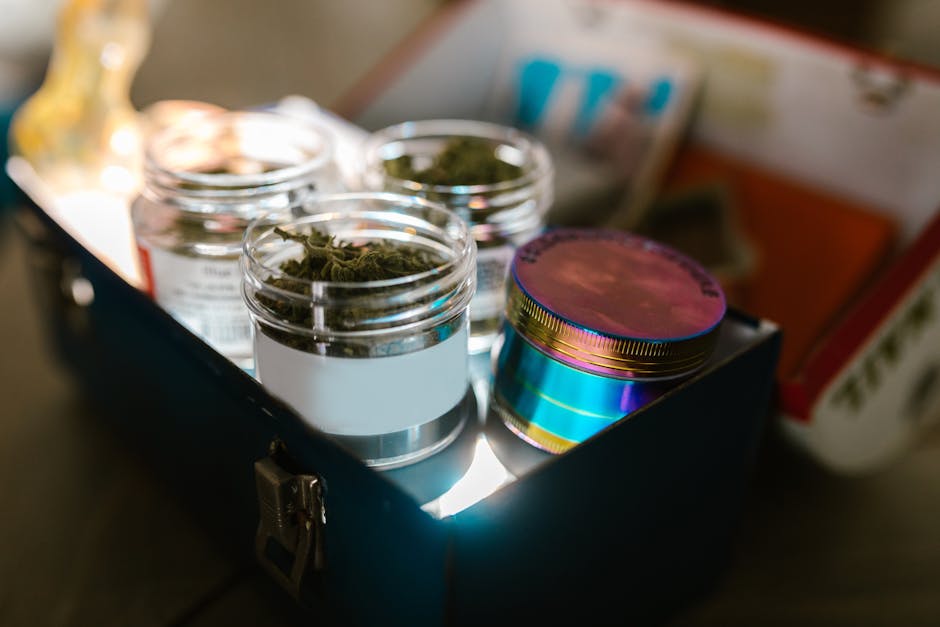
Follow these steps after bringing products home
- Read and retain the label: Check the product type, package directions, and any storage instructions before opening it. Keep the label with the product if you use a secondary container.
- Inspect the package: Look for a damaged seal, crushed container, leakage, or packaging that no longer closes as intended. Do not assume a different container will fix a damaged or questionable product.
- Choose a stable location: Set aside a dark, dry spot away from direct sun, appliance heat, bathroom steam, and vehicle interiors. Avoid moving products repeatedly between places with very different conditions.
- Open only what you need: For flower, take out the amount you plan to use and close the package promptly. For edibles, return the package to its instructed storage conditions after serving a portion.
- Keep products separate: Store flower, edibles, and vape cartridges in their own labeled packaging. This reduces mix-ups and helps you follow the correct directions for each format.
- Secure the storage spot: Place cannabis products where children and pets cannot reach them. Keep edible products clearly separate from household snacks, even when the edible is individually wrapped.
- Check before use: Review the label and packaging again before consuming or using a product. If it looks, smells, or feels different than expected, stop and seek guidance from the retailer or a qualified professional rather than trying to salvage it.
Pro Tip: If you transfer flower because the original package will not reseal, move the label with it and use a clean container reserved for cannabis. A container that previously held spices, coffee, or other fragrant materials can leave odors behind.
Avoid common storage mistakes
- Leaving flower exposed: An open package on a table while you prepare for use adds avoidable contact with air, light, and household odors.
- Using the refrigerator by default: Do not assume refrigeration is suitable for every cannabis product. Follow the label, because temperature changes and moisture can be a poor fit for some formats.
- Storing products in a car: A parked vehicle can become hot or experience changing conditions, so it is not a dependable storage spot for flower, edibles, or cartridges.
- Removing edible packaging: Keep the product identity and instructions attached; an unmarked treat is easier to confuse with ordinary food.
- Treating all formats alike: Flower, edibles, and vape cartridges do not share identical packaging or handling instructions. One storage habit should not override a product’s own label.
Commercial rules also distinguish storage settings and product categories. According to N.J. Admin. Code § 17:30-11.10, “A cannabis manufacturer shall have at least the following storage areas, segregated from each other.” This is a requirement for New Jersey manufacturers, not a household storage standard, but it illustrates why separating products and following the correct setting-specific instructions matters.
Signs your storage routine is helping, and when to pause
What to check during a routine inspection
A useful storage routine keeps the package closed, the label readable, and the product in a stable location between uses. Flower should not be left open or exposed to kitchen steam, sunlight, or household scents. Edible packaging should remain intact and be stored according to its directions. A cartridge should remain in its package when not in use if that is how its instructions direct you to store it.
Check the package before each use rather than relying on memory. Look for a seal that has come loose, unexpected moisture, a change in texture, leakage, or a label that has become detached. A change in aroma or appearance is a reason to pause, not a cue to mask the product with another scent or to try a home remedy.
Do not taste a questionable edible to test whether it is still suitable.
A product’s condition can vary with its format, package, and how it has been handled. Storage cannot restore freshness or confirm safety. If the package is damaged, the product has been exposed to an uncertain condition, or its appearance raises concern, keep it separate and contact the retailer for product-specific guidance.
For medical cannabis users, do not substitute a product that seems different from the one you expected without first checking the label and seeking appropriate guidance.
Pro Tip: Keep a simple note of when you opened a package if you use several products at once. It helps you identify which item has been exposed to air or handled more often, without relying on a guess based on appearance alone.
Understand the limits of home storage
Rules for licensed operators are jurisdiction-specific and are not a substitute for the label on a consumer product. For example, according to N.J. Admin. Code § 17:30-10.7, a cannabis cultivator shall establish and implement a standard operating procedure for quarantine of any cannabis seed, cutting, clone, immature cannabis plant, batch of cannabis, or cultivation material or component whose suitability for use or distribution is in question, including the conditions.
That rule is for cultivators and their operations; at home, the practical response to a questionable item is to separate it and seek product-specific advice rather than inventing a quarantine procedure.
Likewise, according to N.J. Admin. Code § 17:30-13.4, if a cannabis distributor stores cannabis items, all cannabis items shall be stored in an enclosed indoor, locked area pursuant to N.J.A.C. 17:30-9.12, where access to such area is limited to an owner, principal, employee, or volunteer of a license holder or staff members of a license holder’s manager. This distributor rule does not prescribe a consumer’s home setup, but secure placement remains a sensible way to prevent accidental access.
Our perspective on keeping products fresh
Protect what careful growing produces
At Trinity Growers Co., we are a family-owned micro grow farm in Trinity County, California. Since 2016, our work has focused on sustainable farming and estate-grown cannabis without pesticides or synthetic fertilizers. We see storage as a practical extension of respecting the product: keep its package, instructions, and identity together, and avoid conditions that expose it unnecessarily to heat, light, air, or moisture.
We would not tell every customer to buy special equipment or to transfer every product into a new jar. The right approach starts with what the product is and what its packaging says. For flower, a dependable seal and a clean, dark place matter more than a collection of accessories.
For edibles, the product’s own instructions take priority, especially because food texture and packaging differ. For cartridges, retain their packaging and do not assume flower-storage habits apply.
We also avoid treating “organic” as a promise that a product will stay fresh indefinitely or need no care. Organic cultivation describes how the crop is grown, not immunity from poor storage after purchase. Our organic edible-making process is useful context for understanding why an edible is a distinct product format, but its package remains the right guide for storing the item you have.
When a storage question needs a specialist
Bring the details, not just the product
Contact the retailer or a qualified cannabis professional if a seal is broken, packaging leaks, an edible has been exposed to heat, a product has unexpected moisture, or the label’s instructions are missing or unclear. For a medical product, get guidance before changing your routine or replacing a product that is part of your care. Do not rely on online storage rules to assess a product whose condition is uncertain.
Have the original package, label, product type, and a clear description of how it was stored ready for the conversation. Note whether the package was opened and what changed, such as a loose seal or unusual texture. A useful provider should explain which instructions apply to that product, what the package tells you, and what to do if the product’s condition is questionable.
They should distinguish a product-specific answer from rules that apply only to licensed facilities.
Frequently asked questions
What is the best way to store organic cannabis flower?
Keep flower sealed in its original packaging or a clean airtight container, in a dark, dry, stable place away from heat, sunlight, and strong household odors. Close the package promptly after taking out what you need, and keep the product label with it. Organic cultivation does not eliminate the need for careful storage, and no container can restore freshness once a product has deteriorated.
Should I refrigerate or freeze cannabis flower?
Do not refrigerate or freeze flower by default. Temperature shifts and moisture can affect the product, and storage directions can differ by package and product. Check the label first and choose a stable, dark location if the package does not call for special conditions. If flower has already been exposed to unusual conditions and seems changed, avoid guessing about its quality and contact the retailer for product-specific guidance.
How should I store cannabis edibles after opening them?
Follow the edible’s label, because recipes, textures, and packaging differ. Reseal the package if it is designed to close, retain the product identity and instructions, and keep it separate from ordinary food in a secure place. Do not leave an edible loose in a pantry or refrigerator where someone could mistake it for a regular snack. If its directions are unclear, ask the retailer before changing its storage conditions.
Can I keep a vape cartridge with my flower?
Keep the cartridge in its own packaging and follow its specific instructions rather than assuming flower storage applies. A shared dark cabinet may be convenient if it is secure and the products remain separate, labeled, and protected from heat. Avoid leaving a cartridge in a vehicle or near a heat source. If the cartridge leaks or its packaging is damaged, pause use and ask the retailer what to do.
How can I keep cannabis products away from children and pets?
Keep products in their original labeled packaging and place them in a secure location that children and pets cannot access. Store edibles separately from ordinary snacks, since familiar food-like forms can be confusing. Avoid transferring products into unmarked containers, and do not leave a package on a counter or bedside table between uses. If you are unsure whether a storage spot is secure, choose a more controlled location.
Do organic cannabis products need different storage than other cannabis?
The word organic describes cultivation practices, not a separate storage method that applies to every product. Flower, edibles, and cartridges each have their own packaging and handling directions, so use the product label rather than assuming a single rule. At Trinity Growers Co., we focus on sustainable cultivation and grow without pesticides or synthetic fertilizers; protecting freshness after purchase still depends on keeping each product sealed and appropriately stored.
How Trinity Growers Co. supports product care
Choose the product, then follow its directions
Our work centers on cannabis cultivation and organic cannabis sales, with product formats that include edibles and vape cartridges. Each format calls for attention to its packaging and instructions. We encourage customers to keep labels with products, store items separately, and bring forward questions if packaging is damaged or directions are unclear.
That straightforward approach fits our focus on quality, sustainable farming, and family values without promising that storage can reverse changes to a product.
- Cannabis cultivation: Estate-grown cannabis produced through our sustainable farming approach.
- Organic cannabis sales: Products for consumers looking for organic options and clear product-specific handling.
- Edibles and vape cartridges: Distinct formats that should be stored according to their own labels.
Ready to explore our products or ask us a storage question? Get in touch with our team.
Conclusion
Start with the label and a secure place
The most useful next step is simple: check the directions on every package you already own, then choose one dark, dry, secure location that stays away from heat and household food. Keep flower sealed, leave edibles in their labeled packaging, and store cartridges according to their own instructions. Separate products so you do not confuse their formats or handling needs.
To store organic cannabis products well, focus on stable conditions and careful handling rather than special equipment or assumptions based on the word organic. If a product’s package is damaged or its condition seems unusual, stop and ask the retailer for specific guidance. Good storage protects the product you purchased, while an honest check helps you know when storage advice is not enough.
Sources
- N.J. Admin. Code § 17:30-11.10 – Cannabis manufacturer storage of cannabis; cannabis products; quarantine
- N.J. Admin. Code § 17:30-13.4 – Cannabis distributor storage of cannabis items
- N.J. Admin. Code § 17:30-10.7 – Cannabis cultivator storage of cannabis; quarantine
- 7 CFR § 205.270 – Organic handling requirements.
- Ill. Admin. Code tit. 68, § 1290.405 – Storage Requirements
- N.Y. Comp. Codes R. & Regs. Tit. 9 § 130.27 – Security, Safety and Storage of Cannabis
- Cal. Code Regs. Tit. 4, § 15000.7 – Storage of Inventory