
The types of organic cannabis products include cultivated cannabis flower, edibles, and vape cartridges, each offering a different format and way to use cannabis. For people comparing cultivation practices as well as product formats, it helps to distinguish a farm’s growing methods from the wording legally allowed on a package. At Trinity Growers Co., our family-owned micro grow farm in Trinity County focuses on estate-grown cannabis and sustainable practices, without pesticides or synthetic fertilizers.
TL;DR
- Flower: Look for clear information about cultivation and the specific product, rather than relying on a broad label alone.
- Edibles: Check the serving information and ingredients, then allow for a slower onset than inhaled formats.
- Vape cartridges: Review the cartridge’s contents and hardware details, and do not assume every cartridge uses the same extract.
- Organic wording: California restricts cannabis businesses from calling products organic, so understand the distinction between growing practices and compliant labeling.
Key takeaways
Product format, cultivation details, and accurate labeling all matter when choosing cannabis products that fit your preferences.
Compare the formats before choosing
How the types of organic cannabis products differ

Start with format, then check the growing story
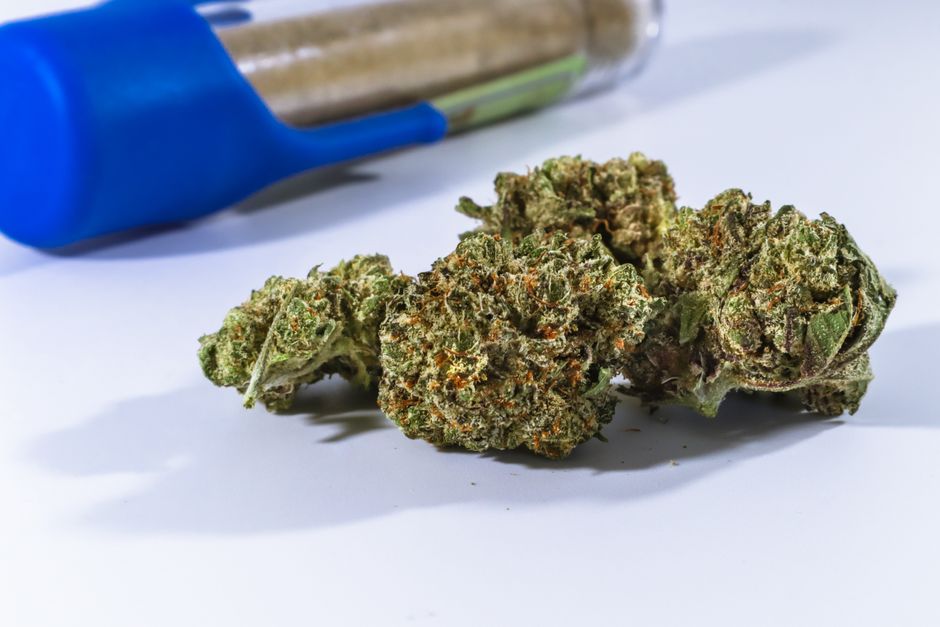
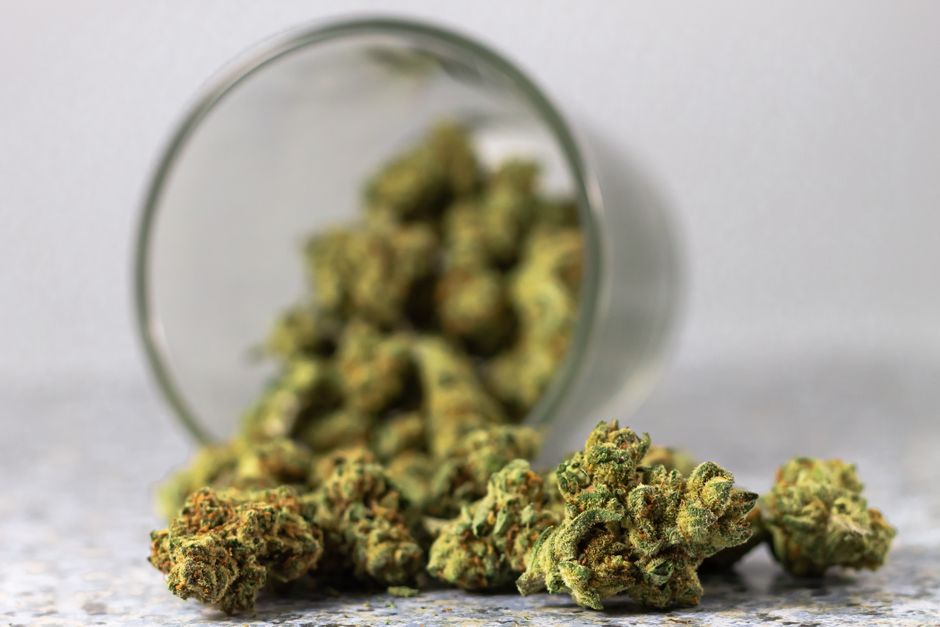
Cannabis flower is the harvested, dried cannabis portion people often mean when they talk about a farm’s crop. It is the clearest format for considering cultivation because it comes from the plant itself. Ask how the flower was grown, whether it is estate grown, and what the seller can accurately tell you about inputs and handling.
At Trinity Growers Co., we grow cannabis on our Trinity County farm using sustainable practices and without pesticides or synthetic fertilizers. Our estate-grown cannabis approach explains why knowing where the crop was grown matters to people who value traceability and farm practices.
Edibles combine cannabis ingredients with a food format. They suit people who do not want to inhale cannabis, and they also appeal to food-minded consumers who care about flavor, ingredients, and how a product fits into an occasion. Read the package for serving information and ingredients, and keep the product secured away from children and pets.
A vape cartridge is an inhaled cannabis format designed for compatible hardware. The word “cartridge” describes the delivery format, not a single recipe: products can differ in their cannabis extract and other ingredients. Check the product information instead of assuming that all cartridges are made from the same source material.
Psilocybin products are a separate category from cannabis. They should not be treated as another cannabis extract, edible, or strain. If you are comparing the product categories Trinity Growers Co. lists, keep that distinction clear and confirm what product is actually available through the relevant lawful channel.
Read “organic” carefully in California
“Organic” can describe a consumer’s interest in farming practices, but California has specific rules for cannabis labeling. According to Cal. Code Regs. Tit. 3, § 10103 – Use of the Terms Ocal and Organic, cannabis operations are prohibited from selling, labeling, or referring to their products as organic, pursuant to section 26062.5 of the California Business and Professions Code.
A related California rule addresses OCal labeling. According to Cal. Code Regs. Tit. 17, § 22055 – Cannabis Products Labeled Ocal, cannabis products manufactured with only OCal-certified cannabis and 95 percent or greater certified organic ingredients may be labeled “100 percent OCal,” or “OCal.” These terms are not interchangeable with an unqualified organic claim.
What affects the choice, timing, and cost
Product format changes the decision
The product itself is the first practical variable. Flower, an edible, and a vape cartridge have different ingredients, handling, and use considerations. A person who values the flavor of food may focus on an edible’s recipe and serving details, while someone evaluating cultivation may give more attention to flower and the farm’s practices.
Price comparisons also need to be like-for-like. A package size, serving structure, extract type, or included hardware can make two products look comparable when they are not. Compare the amount and form of cannabis described on the label, along with the full ingredient list and any other product-specific information provided.
Timing matters most when choosing how to use a product. Edibles take longer to produce noticeable effects than inhaled products, so taking more quickly because nothing seems to be happening can lead to an uncomfortable experience. Follow the product’s labeled directions, avoid combining products without understanding their effects, and keep edibles clearly separated from ordinary food.
Growing claims and rules affect what you can verify
A farm’s growing method is not the same thing as a product certification or a label claim. Ask what the seller means by sustainable, estate grown, or pesticide-free, and look for a direct explanation of the cultivation approach. Trinity Growers Co. shares information about its sustainable farming practices, including its commitment to growing without pesticides or synthetic fertilizers.
Label rules can also vary by jurisdiction. For example, according to N.Y. Comp. Codes R. & Regs. Tit. 9 § 128.6 – Cannabis Product Labeling Prohibitions, no cannabis product package, including an exit package, shall display any content or be labeled in any manner that includes the term “organic” unless describing the product’s ingredients and in compliance with Title 7, as it relates to Agriculture, of the Codes of Federal Regulations sections 205.60.
This New York rule is not a substitute for checking the rules that apply where a product is sold.
Pro Tip: If a product description uses “organic,” ask whether it refers to a farming philosophy, a named certification, or an ingredient claim. Those meanings are not automatically equivalent, especially for cannabis in California.
A checklist before you choose a product
Check the product, claim, and fit
- Name the format: Decide whether you are comparing flower, an edible, a vape cartridge, or a separate product category such as psilocybin. This prevents comparisons between products that work differently.
- Read the entire label: Check ingredients, serving information, and product-specific directions. For edibles, note the serving details before opening the package or deciding how much to consume.
- Separate farm practice from certification: A farm may explain its cultivation choices, but that does not by itself establish a particular certification or authorize a label term. In California, pay close attention to whether the wording is compliant.
- Ask where the cannabis was grown: Estate-grown describes cannabis cultivated on the farm that produces it. If origin matters to you, seek a clear explanation rather than relying on a broad quality claim.
- Inspect edible ingredients: Food format matters to people with dietary preferences or sensitivities. Review the actual ingredient list instead of inferring it from a flavor name or product style.
- Check cartridge details: Look for clear information about the product and its contents. Do not assume the cartridge’s hardware, extract, or ingredient profile matches another brand’s product.
- Plan safe storage: Keep cannabis products in their original packaging and away from children and pets. This is especially important for edibles, which can look like ordinary food.
- Keep product categories distinct: Psilocybin is not cannabis. Confirm the product identity and the rules that apply to its sale and use before treating it as part of a cannabis comparison.
Pro Tip: When comparing two products, write down the format, serving or package information, listed ingredients, and exact cultivation or label claim. A short side-by-side note helps expose differences that a product name alone can hide.
Ready to compare formats with a local grower? Get in touch with Trinity Growers Co..
Our perspective
Why we start with the farm and the product
We believe a useful conversation about cannabis starts with specifics: what the product is, where the cannabis was grown, and what the package can accurately say. Our family-owned micro grow farm in Trinity County has focused on sustainable cultivation since 2016, producing estate-grown cannabis without pesticides or synthetic fertilizers. We want people to understand those practices without confusing them with a certification or a label claim.
We also avoid treating every format as if it serves the same preference. Flower lets a shopper focus on the crop itself; edibles bring ingredients and serving details into the decision; vape cartridges require attention to the extract and product information. The right comparison depends on what the person values and how they intend to use the product.
Common advice to “choose organic” does not explain California cannabis labeling rules. We would instead encourage a closer look at the words on the package and the evidence behind any cultivation statement. Our organic cannabis and health information can help readers consider cultivation and wellness questions, but it is not a promise of a particular medical result.
When to bring in a professional
Bring product-specific questions to the right specialist
Speak with a qualified medical professional when you are considering cannabis for a health concern, use prescription medications, are pregnant or nursing, or have questions about how cannabis could fit into your care. Bring the exact product label, ingredients, serving information, and a clear description of your question. A general product conversation cannot replace individualized medical guidance.
A knowledgeable cannabis retailer or producer should be able to distinguish flower, edible, and cartridge formats, explain the information available about the product, and clarify what a cultivation claim means. For a labeling question, ask for the exact term and its basis rather than accepting “organic” as a complete explanation. A good provider should also be clear when they cannot verify a claim or answer a medical or legal question.
FAQ
What are the main types of organic cannabis products?
The main cannabis formats discussed here are flower, edibles, and vape cartridges. They differ in preparation, ingredients, and how a consumer uses them. Psilocybin products are separate and should not be counted as cannabis products. In California, the word “organic” also has specific restrictions for cannabis businesses, so it is useful to consider cultivation practices separately from the wording permitted on a package.
Does Trinity Growers Co. grow cannabis without pesticides?
Trinity Growers Co. describes its cannabis as estate grown and says its cultivation avoids pesticides and synthetic fertilizers. Those are details about the farm’s practices, not a substitute for checking a product’s exact label or determining whether it carries a particular certification. California restricts cannabis businesses from selling, labeling, or referring to products as organic, so ask what a specific cultivation description means.
Are cannabis edibles a good fit for foodies?
Edibles can appeal to people who care about food format, flavor, and ingredients, but a flavor description does not tell you everything about the product. Read the ingredient list and serving information before choosing. Edibles also take longer to produce noticeable effects than inhaled products, so follow the package directions and avoid taking more simply because the effects are not immediate.
What should I check before choosing a vape cartridge?
Start with the product’s own label and description. Check what information is provided about the cannabis product and its ingredients, and confirm that the cartridge is compatible with the intended hardware. The term “vape cartridge” identifies a format, not a uniform extract or recipe. If the product details are unclear, do not infer the contents from a strain name or a general marketing phrase.
Is “organic cannabis” a legal label in California?
California rules prohibit cannabis operations from selling, labeling, or referring to their products as organic. A separate California rule permits specified OCal wording for products manufactured with only OCal-certified cannabis and 95 percent or greater certified organic ingredients. That defined wording is different from an unqualified organic claim. Consumers should read the exact package language and distinguish it from a farm’s description of its growing practices.
Are psilocybin products a type of cannabis product?
No. Psilocybin and cannabis are different product categories, and a psilocybin product is not a cannabis flower, edible, or vape cartridge. If you encounter psilocybin products while researching a business’s offerings, confirm the product identity and the rules that apply in the relevant location. Do not assume that cannabis packaging, product guidance, or purchasing rules apply to psilocybin.
How Trinity Growers Co. helps you compare products
A farm-led view of product choices
Trinity Growers Co. is a family-owned micro grow farm in Trinity County focused on sustainable cannabis cultivation and organic cannabis sales. Our listed product categories include edibles, vape cartridges, and psilocybin products. Because formats have different ingredients and use considerations, we encourage shoppers to look at the specific product rather than assume that every item shares the same formulation or growing claim.
- Cannabis cultivation: Our estate-grown approach centers on growing cannabis on our own farm without pesticides or synthetic fertilizers.
- Edibles: Review the food ingredients and serving information when comparing cannabis-infused options.
- Vape cartridges: Consider the cartridge’s own product details instead of treating every inhaled product as identical.
- Psilocybin products: Keep this category distinct from cannabis and verify the specific product and relevant rules.
To explore our approach and available product information, connect with Trinity Growers Co..
Conclusion
Make the next comparison specific
The most useful next step is to decide which format you are actually comparing, then check its ingredients, product information, and the exact cultivation or label claim. Flower, edibles, and vape cartridges are not interchangeable, and psilocybin products are a separate category altogether. California’s limits on “organic” wording make it especially important to distinguish a farm’s growing practices from a legally permitted package claim.
Trinity Growers Co. is rooted in Trinity County and focuses on estate-grown cannabis, sustainable cultivation, and products for people who value careful sourcing. Start with the product format that fits your preferences, read what the package says, and ask for clarification when a claim is vague. That gives you a sound basis for choosing among the types of organic cannabis products while keeping the details honest and clear.