
How Trinity Growers Co. Ensures Quality in Organic Cannabis Cultivation
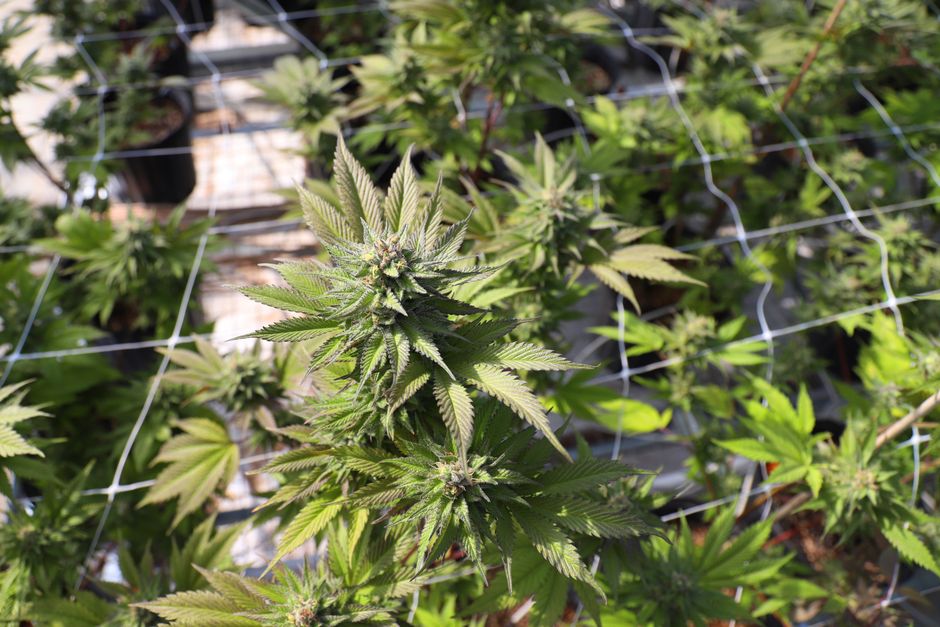
Quality organic cannabis cultivation starts with clear growing standards, careful attention to plant health, and honest product information from farm to finished product. At Trinity Growers Co., our family-owned micro grow farm in Trinity County, California, has focused on estate-grown cannabis without pesticides or synthetic fertilizers since 2016. That matters to people comparing flower for aroma, patients who need reliable product details, and shoppers who want their purchase to reflect more sustainable choices.
TL;DR
- Know the growing method: Ask whether cannabis is estate grown and what the grower means by organic.
- Check product details: Review available batch and product information instead of relying on a broad quality claim.
- Match the format to your needs: Flower, edibles, and vape cartridges have different ingredients and use considerations.
- Look for a clear process: A responsible grower should explain how cultivation, processing, and product handling are managed.
Key takeaways
Strong cultivation quality comes from transparent growing practices, thoughtful product selection, and clear handling from harvest through sale.
What quality organic cannabis cultivation looks like
A growing standard, not a label alone
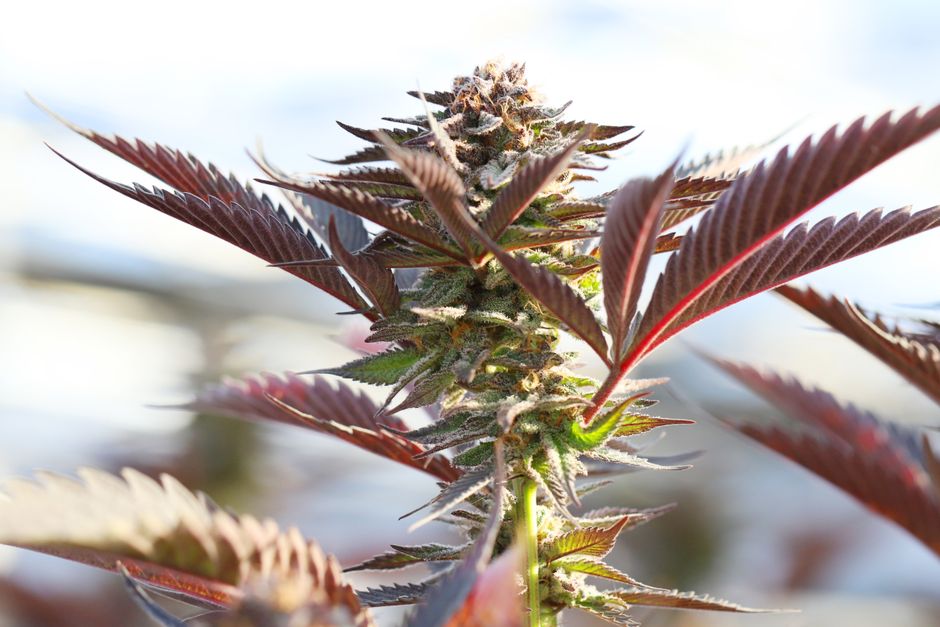
Quality starts with a grower being precise about what they do. At Trinity Growers Co., our approach is grounded in a simple commitment: cannabis is estate grown without pesticides or synthetic fertilizers. That describes our growing practices. It should not be confused with an independent certification unless a product or farm has documentation supporting that specific claim.
Organic cultivation also calls for attention to the conditions around the plant. Growers need to monitor plant health, growing areas, and the materials used in production so problems are noticed early rather than covered up later. For a shopper, the practical question is whether a seller can explain those choices in plain language.
According to N.H. Admin. Code § He-C 402.14 – Cultivation and General Processing, safe growing methods that are as consistent as practicable with U.S. Department of Agriculture organic requirements at 7 CFR Part 205 shall be used. This is a New Hampshire provision, not a statement of California requirements, but it illustrates why a grower should describe actual practices rather than rely on a vague label.
Quality continues after the plant is grown
Cannabis quality is not just appearance or potency. Aroma, texture, freshness, and accurate product information all affect whether a product suits a shopper’s preferences. For flower, a clear description of the strain’s flavor and aroma can help set realistic expectations; our guide to organic cannabis strain flavor profiles explains why those differences matter.
Cultivation and manufacturing are also different stages. According to Cal. Code Regs. Tit. 4, § 16303 – Cultivation Requirements for Processor Licensees, cultivation of cannabis plants is prohibited at a licensed processor premises. Keeping those roles distinct helps readers understand why a farm’s cultivation story and a finished product’s manufacturing information are not interchangeable.
How to choose what fits your situation

Start with your reason for choosing organic
A person seeking a particular aroma may care most about flower descriptions and freshness. Someone choosing cannabis for medicinal use may prioritize consistent product details, the format they tolerate, and information they can discuss with their healthcare provider. An eco-conscious shopper may focus on growing inputs and whether the product is estate grown.
Those are different decision points. A grower’s pesticide and fertilizer practices tell you something about cultivation, but they do not answer every question about a finished edible or vape cartridge. Check the product’s ingredients and available label information separately from the farm’s growing claims.
Nevada’s labeling rules show why precise language matters. According to Nev. Admin. Code § 453D.812 – Requirements for labeling products “organic”, a marijuana cultivation facility or marijuana product manufacturing facility shall not label usable marijuana, concentrated marijuana or marijuana products as “organic” unless the marijuana plants and all ingredients used are produced, processed and certified in a manner that is consistent with the [provided regulatory condition].
This Nevada rule does not define California labeling, but it is a useful reminder to distinguish a growing practice from a specific product-label claim.
Compare the product, not just the headline
Before choosing, consider these practical checks:
- For flower: Look for strain, aroma, and product details that match what you enjoy; avoid assuming a strain name guarantees an identical experience each time.
- For edibles: Read the ingredient list and serving information, and choose a format that suits your preferences; edibles are not interchangeable with inhaled products.
- For vape cartridges: Review the stated ingredients and product description rather than assuming all cartridges contain the same materials or flavor profile.
- For any format: Check the package and available batch information, including testing documentation where provided, and make sure the source explains its growing claims.
Pro Tip: If avoiding pesticides and synthetic fertilizers is your main concern, ask about both practices separately. A single word on a product page is less informative than a direct explanation of what the grower excludes.
For shoppers comparing formats, our pages on organic cannabis edibles and organic vape cartridges address those product categories individually.
What the process looks like once you decide
From cultivation information to a considered purchase
A thoughtful buying process does not require specialist knowledge. It does require separating what you know about the farm from what you know about the specific product. Use these steps when comparing organic cannabis options:
- Clarify your priority: Decide whether your main concern is cultivation inputs, aroma, product format, or ingredient information. That keeps a broad organic claim from doing too much work in your decision.
- Ask how the crop is grown: Find out whether the cannabis is estate grown and what the grower means by organic cultivation. For our farm, the stated commitment is cultivation without pesticides or synthetic fertilizers.
- Review the product itself: Read the label and any available product or batch information. Check format, ingredients, and the details relevant to your intended use.
- Separate farm and manufacturing claims: A cultivated crop and a manufactured product involve different steps. California’s quality control rule states that a licensed manufacturer shall establish and implement a quality control program to ensure that cannabis products are not adulterated or misbranded, according to Cal. Code Regs. Tit. 4, § 17208 – Quality Control Program.
- Consider handling and source: California’s general cultivation requirements state that licensees are prohibited from transferring any commercially cultivated cannabis or nonmanufactured cannabis products from their licensed premises, according to Cal. Code Regs. Tit. 4, § 16202 – General Cultivation Requirements. For a specific purchase, confirm the product’s authorized route to sale and rely on the information supplied with that product.
- Choose the format deliberately: Compare flower with edibles or cartridges based on the experience and ingredients you want, not on the assumption that one format is automatically higher quality.
Pro Tip: Keep the package or product details with your notes after buying. If you return to a strain or format later, those details help you compare products without relying on memory alone.
Ready to explore cannabis grown with our stated farming commitments? Get in touch with Trinity Growers Co..
Our perspective
Why we keep the growing claim specific
We are a family-owned micro grow farm in Trinity County, and our work has centered on producing estate-grown cannabis without pesticides or synthetic fertilizers since 2016. We believe quality is easier to judge when a grower explains what is actually done, rather than using a broad promise that leaves shoppers guessing.
We would encourage a shopper to look beyond potency or attractive packaging. Ask what the grower means by organic, then consider the product format and its available details. Flower aroma, edible ingredients, and cartridge information each tell you something different. None should be treated as a substitute for the others.
We also avoid suggesting that one growing approach answers every question. A pesticide-free growing commitment is meaningful, but it does not tell you whether a particular edible suits your taste or whether a product is the right choice for your personal health needs. We want people to have clear information, compare thoughtfully, and choose a product that fits their own priorities.
Want to learn more about our approach and products? Connect with our team.
When to bring in a professional
Situations that call for expert guidance
Bring in a qualified cannabis or medical professional when you need help interpreting product information for a health condition, are concerned about interactions with medication, or are unsure which format is appropriate for your circumstances. A cannabis retailer or grower can explain cultivation and product details, but should not replace individualized medical advice.
For a first conversation, prepare the product name, format, ingredient list, package details, and the specific question you need answered. If your concern is cultivation, ask the seller to explain its pesticide and fertilizer practices and clarify whether a claimed certification is documented. If it is a finished product, ask for the information that applies to that product rather than assuming the farm’s practices describe every manufacturing step.
A reliable provider should explain what it knows, distinguish farm practices from product claims, and say plainly when a question falls outside its expertise. If the answer is only a broad promise with no product-specific details, keep comparing.
FAQ
What does organic cannabis cultivation mean?
Organic cannabis cultivation describes growing practices focused on the materials and methods used to produce the crop. The term alone does not tell you whether a product has an independent certification, so look for a clear explanation of the grower’s actual practices. At Trinity Growers Co., our stated commitment is estate-grown cannabis produced without pesticides or synthetic fertilizers.
How can I evaluate the quality of organic cannabis?
Start with what you can verify: the source, the grower’s description of cultivation, the product format, and the information on the package. For flower, consider freshness and the strain’s aroma description; for edibles or cartridges, read the ingredients and product details. Available testing or batch documentation can add useful context, but it does not replace checking whether the product suits your preferences.
Does estate-grown cannabis mean it is certified organic?
No. Estate grown describes the relationship between the crop and the farm where it was cultivated; it does not, by itself, establish third-party certification. Ask what a grower means by organic and whether a certification is being claimed. We describe our own growing commitment directly: our cannabis is estate grown without pesticides or synthetic fertilizers.
What should I check before choosing organic cannabis edibles?
Read the ingredient list, serving information, and product description before choosing. Consider flavor and the format you prefer, and remember that an edible is a different product experience from flower or a vape cartridge. If you are choosing cannabis for a medical reason or have questions about medication interactions, take the product details to a qualified healthcare professional rather than relying on a general product description.
How Trinity Growers Co. supports quality organic cannabis cultivation
Farm-grown choices and product information
Trinity Growers Co. is a family-owned micro grow farm in Trinity County, California. Since 2016, we have focused on sustainable farming practices and estate-grown cannabis without pesticides or synthetic fertilizers. Our products give shoppers options across cannabis cultivation and organic cannabis sales, while keeping the conversation grounded in what we can truthfully say about our farm.
Depending on what you are looking for, our offerings include:
- Cannabis cultivation and organic cannabis sales: For shoppers interested in cannabis grown under our stated farm practices.
- Edibles: For food-minded consumers comparing prepared cannabis products and their ingredients.
- Vape cartridges: For those seeking a portable product format and looking for product-specific details.
Our organic cannabis buying guide can help you explore our offerings. Contact Trinity Growers Co. to discuss your options.
Conclusion
The most useful next step in assessing quality organic cannabis cultivation is to identify the growing claim you care about and verify what it means for the product you are considering. Estate grown, pesticide-free practices, and no synthetic fertilizers describe meaningful parts of a farm’s approach, but they do not answer every question about a finished edible, cartridge, or flower product.
At Trinity Growers Co., our commitment is clear: we produce estate-grown cannabis without pesticides or synthetic fertilizers, using sustainable farming practices at our family-owned micro grow farm in Trinity County. Compare that information with the product details and format that fit your priorities, then choose with a clear understanding of what the grower is claiming.
Sources
- N.H. Admin. Code § He-C 402.14 – Cultivation and General Processing
- N.J. Admin. Code § 17:30-10.9 – Cannabis cultivator quality control; pesticide use limited
- Cal. Code Regs. Tit. 4, § 17208 – Quality Control Program
- Cal. Code Regs. Tit. 4, § 16309 – Cultivation Plan Requirements
- Cal. Code Regs. Tit. 4, § 16202 – General Cultivation Requirements
- Cal. Code Regs. Tit. 4, § 16303 – Cultivation Requirements for Processor Licensees
- Cal. Code Regs. Tit. 3, § 4934 – Planting Location Requirements
- Nev. Admin. Code § 453D.812 – Requirements for labeling products “organic”