

The estate grown cannabis benefits Trinity Growers Co. emphasizes include farm-level cultivation, growing without pesticides or synthetic fertilizers, and a clear connection between crop and place. For cannabis enthusiasts comparing organic options, that connection makes it easier to understand where a product comes from and how it was grown. Patients seeking cannabis for personal wellness also benefit from knowing the product’s source, while food-minded consumers can pay attention to the strain’s aroma and flavor before choosing an edible.
Estate-grown does not guarantee a particular effect or taste, but it gives shoppers a meaningful starting point: a named farm with a consistent approach to cultivation and sustainability.
Key takeaways
Estate-grown cannabis ties the crop to a specific farm, while organic practices, product format, and personal needs guide the right choice.
Estate grown cannabis benefits at Trinity Growers Co.
What estate-grown means for the shopper
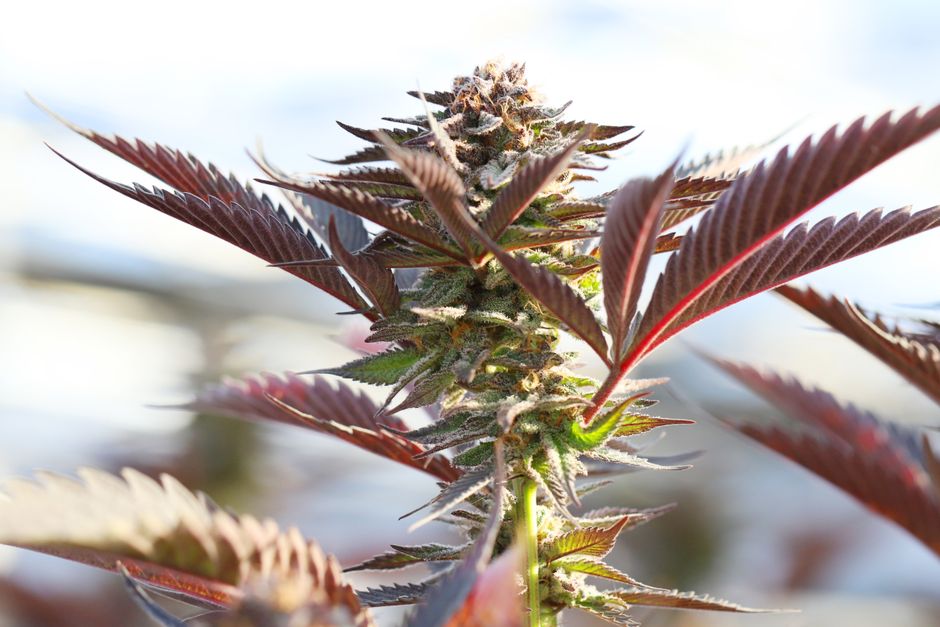
Estate-grown cannabis is cultivated on the farm associated with the product, rather than being sourced from an unrelated grower. That gives a shopper a more direct way to connect the crop to its growing operation. At Trinity Growers Co., our family-owned micro grow farm in Trinity County, California, has focused on organic cannabis and sustainable farming practices since 2016.
Our products are estate grown, and we grow without pesticides or synthetic fertilizers.
That origin matters because cannabis quality begins well before harvest. Growing conditions, plant care, and the choices made through cultivation all contribute to the flower that becomes a finished product. Estate-grown sourcing offers a clearer connection to those decisions, although it does not, by itself, tell you a product’s cannabinoid profile, aroma, or suitability for your needs.
Why the growing approach matters
For eco-conscious shoppers, farm practices are part of the product decision, not an afterthought. Choosing cannabis grown without pesticides or synthetic fertilizers aligns with a preference for fewer synthetic inputs, while a farm’s stated sustainability focus gives customers another point to consider. Those practices should be described plainly, not stretched into claims about environmental impact that a grower has not substantiated.
Estate-grown sourcing also helps people compare products more thoughtfully. A shopper can look at the farm, the growing approach, and the product format together instead of treating a generic “premium” label as proof of quality. Our article on the benefits of choosing organic cannabis explains why cultivation choices are relevant to consumers comparing organic options.
What estate-grown does not promise
Farm origin is useful information, but it is not a medical claim. It cannot guarantee that a strain will relieve a symptom, produce a particular feeling, or work the same way for every person. Nor does the phrase “estate grown” automatically establish an independent organic certification. Ask what a product label actually communicates, and separate verifiable cultivation statements from assumptions about effects or certification.
That distinction is especially helpful for patients and first-time buyers. Look for clear information about product type, stated potency, ingredients where relevant, and the intended way to use the product. Origin is one quality factor; it belongs alongside those details rather than replacing them.
How to choose what fits your situation

Start with the reason you are shopping
A useful choice starts with what matters most to you. If your first priority is farm origin, look for a clear statement identifying the grower and ask whether the product comes from that farm. If you are focused on organic cannabis quality, check whether the seller explains its cultivation practices and avoids using “organic” as a vague synonym for premium.
For patients, begin with the product format and the details you can compare, not with a promise about a particular strain. Consider whether you already have guidance from a healthcare professional and whether you need a product with clearly stated ingredients or potency. Cannabis affects people differently, and cultivation style alone cannot predict an individual response.
Foodies often put aroma and flavor high on the list. Flower descriptions can help frame expectations, but personal perception varies, and a strain’s flavor does not guarantee that an edible made with it will taste identical. Our guide to organic cannabis strain flavor profiles offers more context for comparing sensory characteristics.
Compare the product details, not just the label
Use a short checklist when weighing estate-grown options:
- Source: Is the farm or grower named, and is the product described as grown there?
- Cultivation: Does the seller explain practices such as avoiding pesticides and synthetic fertilizers, rather than relying only on broad marketing language?
- Format: Are you comparing flower, an edible, or a vape cartridge? Each format has different ingredients and use considerations.
- Product information: Are the label, potency details, and ingredients clear enough for you to make an informed choice?
- Personal fit: Does the product match your preferences and the guidance you have received for your situation?
Pro Tip: If two products both say “estate grown,” compare their source details and cultivation descriptions side by side. The phrase alone does not tell you whether their practices, ingredients, or product formats are alike.
Know when the claim needs clarification
“Organic” can be used casually in product conversations, but shoppers should distinguish a grower’s stated farming practices from a formal certification. In California, a specific planting-stock standard applies to OCal production. According to Cal. Code Regs. Tit. 3, § 10204 – Seeds and Planting Stock Practice Standard, “A cultivator shall use its own OCal grown cannabis seeds and planting stock or OCal seeds and planting stock from a nursery licensed by the department and certified pursuant to the requirements of this chapter except under the following conditions:”.
This regulation does not establish that a particular farm or product is OCal certified, so do not infer certification from the word “organic” alone.
If you are unsure what a label means, focus on the exact claim and the evidence or explanation offered with it. A transparent seller should be able to distinguish farm origin, cultivation practice, and certification instead of treating them as interchangeable.
What the process looks like once you decide
A practical way to assess an estate-grown product
Choosing estate-grown cannabis is easier when you move from source to product details in order. These steps work whether you are considering flower, an edible, or a vape cartridge.
- Identify the source: Find the farm or grower named on the product information. Confirm that “estate grown” refers to cultivation at that farm, rather than simply a brand identity.
- Read the cultivation claim: Look for concrete language about farming practices. At Trinity Growers Co., our cultivation is described as organic, without pesticides or synthetic fertilizers, and guided by sustainable farming practices.
- Match the format to your preferences: Flower, edibles, and vape cartridges are different product categories. Consider which format you are seeking and review the relevant product details rather than assuming one category suits everyone.
- Check the information you need: Review stated potency and ingredients where provided. For an edible, pay particular attention to its ingredients and serving directions; for a cartridge, check what the product information says about its contents.
- Set realistic expectations: Estate origin and cultivation practices tell you about sourcing and growing, not how you personally will respond. Do not treat a strain name, flavor note, or organic claim as a substitute for individual judgment.
Pro Tip: Keep the packaging or product information available when comparing options. It helps you check the exact wording for source, ingredients, and product type instead of relying on a remembered shelf description.
Make the decision with the right questions
Before buying, ask questions that relate directly to the claim you care about. If sourcing matters, ask where the cannabis was cultivated. If you are comparing organic practices, ask what the grower means by organic and whether the claim refers to farming methods or certification. For an edible or cartridge, ask for the product information relevant to its ingredients and format.
Avoid making potency the only comparison point. Two products with similar stated potency can still differ in format, sensory qualities, and personal fit. Likewise, a familiar strain name does not guarantee the same aroma or experience across growers. A more useful choice weighs origin, practices, product details, and your own priorities together.
Ready to explore farm-grown options? Get in touch with Trinity Growers Co..
Our perspective
Quality starts with how the crop is grown
We see estate-grown cannabis as a practical way to keep farm origin central to the conversation. Trinity Growers Co. is a family-owned micro grow farm in Trinity County, California. Since 2016, we have focused on producing high-quality organic cannabis through sustainable farming practices, without pesticides or synthetic fertilizers. That is the foundation of our approach, not a claim that every shopper will have the same experience with every product.
We advise customers to look past a single label. “Estate grown” helps describe where cannabis comes from, while organic practices describe how it is cultivated. Neither phrase tells you everything about a finished product, so we encourage a closer look at format and product details too. Our family values in organic cannabis are part of why we value clear, grounded communication about how we grow.
We would avoid treating natural or organic language as a shortcut for safety, medical effectiveness, or a guaranteed flavor. Those conclusions go beyond what cultivation origin can establish. A better conversation starts with a customer’s actual priorities, whether that is farm sourcing, an edible format, or a preference for cannabis grown without synthetic fertilizers.
When to bring in a professional
Get specialized guidance for health and compliance questions
Bring a qualified healthcare professional into the conversation if you are considering cannabis for a medical concern, take other medications, have a health condition, or are unsure how cannabis fits your care. Prepare a list of your questions and the product information you are considering, including its format, stated potency, ingredients, and any cultivation claims. A grower can explain farming and sourcing, but should not replace individualized medical guidance.
A knowledgeable cannabis retailer or product provider should be able to explain what “estate grown” means for the product, distinguish cultivation practices from certification, and point you to available product details. They should also be clear about what they cannot establish, including a guaranteed effect or medical outcome. If the answer blurs origin, organic practices, and certification together, ask for clarification before relying on the claim.
Frequently asked questions
What does estate-grown cannabis mean?
Estate-grown cannabis is cannabis cultivated on the farm associated with the product. The term helps shoppers connect a crop to a particular growing operation, which is useful when farm origin matters. It does not, by itself, prove an organic certification, describe a product’s potency, or predict how someone will respond. Check the seller’s explanation of where the product was grown and review its product information separately.
Is estate-grown cannabis automatically organic?
No. Estate-grown describes a relationship between a product and the farm where it was cultivated; organic describes a growing approach or, in some contexts, a certification claim. Ask what the seller means by “organic” and whether it refers to practices or a formal certification. Trinity Growers Co. describes its cannabis as organic and grown without pesticides or synthetic fertilizers, but shoppers should not assume every estate-grown product makes the same claim.
What makes Trinity Growers Co. products different?
Trinity Growers Co. is a family-owned micro grow farm in Trinity County, California, focused on high-quality organic cannabis since 2016. The farm describes its products as estate grown and its cultivation as sustainable, without pesticides or synthetic fertilizers. Those details give shoppers a clear basis for comparing source and farming approach. They do not promise a particular potency, flavor, or medical result, which varies by product and person.
Is estate-grown cannabis a good choice for patients?
Estate-grown sourcing can help patients understand where cannabis was cultivated, but it cannot determine whether a product is appropriate for a particular health concern. Consider the product format, stated potency, and ingredients, and bring those details to a qualified healthcare professional if you are using cannabis for wellness or treatment. A grower can discuss cultivation and sourcing. Individualized advice about health decisions requires someone qualified to provide it.
How Trinity Growers Co. helps you compare options
Farm-grown products and clear cultivation priorities
Our work begins with cannabis cultivation on our family-owned micro grow farm in Trinity County. We focus on organic cannabis, sustainable farming, and products grown without pesticides or synthetic fertilizers. For shoppers, that provides a farm-level point of reference when comparing sourcing and cultivation. The right format still depends on what you are looking for and the product details that matter to you.
Our product categories include:
- Organic cannabis sales: For shoppers comparing cannabis grown with our stated cultivation practices.
- Edibles: For people who prefer a food-format cannabis product and want to review its ingredients and directions.
- Vape cartridges: For shoppers seeking a cartridge format and checking product-specific information.
We keep the distinction clear: farm origin and growing practices are part of the story, while product details and personal needs guide the final choice. Ready to learn more about our products and growing approach? Connect with Trinity Growers Co..
Conclusion
Start with origin, then check the product
The most useful next step in assessing estate grown cannabis benefits Trinity Growers Co. is to begin with the source and then verify the details that matter to you. Estate-grown sourcing connects a product to its farm. Trinity Growers Co. pairs that farm origin with a focus on organic cannabis, sustainable practices, and cultivation without pesticides or synthetic fertilizers.
Those are meaningful criteria for shoppers who care about how cannabis is grown, but they do not replace product information or personal medical guidance. Compare the source, cultivation claims, format, and label together. That approach gives you a more grounded basis for choosing cannabis that fits your priorities.