
The benefits of choosing organic cannabis start with knowing how the plant was grown and what was used to support its cultivation. For people who value careful sourcing, cannabis without pesticides or synthetic fertilizers offers a more transparent fit with their preferences. At Trinity Growers Co., our family-owned micro grow farm in Trinity County, California, has focused on sustainable cultivation and estate-grown cannabis since 2016.
That approach gives customers a clearer connection between the farm and the product, whether they are exploring flower, edibles, or other cannabis options. Organic cultivation does not guarantee a particular health outcome, potency, or experience, so it is still worth checking the product details and choosing with care.
Key takeaways
Organic cultivation is a sourcing choice, not a promise of a medical result; compare growing practices, product format, and your own needs before deciding.
The benefits of choosing organic cannabis in practice
What organic means at the farm
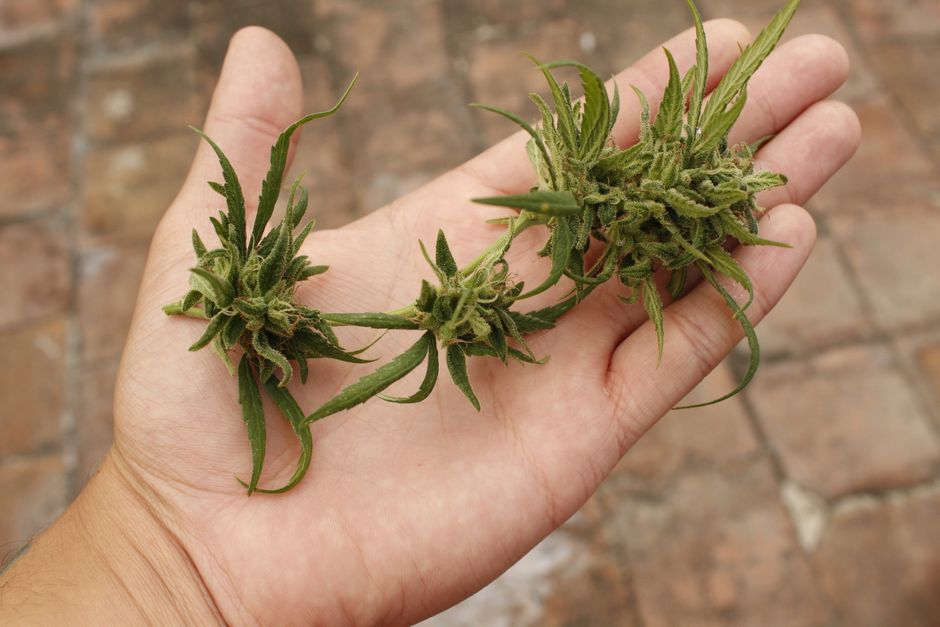
Organic cannabis is cannabis grown according to practices that limit or avoid certain synthetic inputs. The term is used in different ways across the market, so customers should look for specific cultivation details rather than assuming that every product carrying an organic description follows the same standard. Trinity Growers Co. grows cannabis without pesticides or synthetic fertilizers and focuses on sustainable farming on its Trinity County estate.
That distinction matters. A growing claim describes cultivation, while a product label may also communicate format, potency, ingredients, and other details. Those are related parts of a buying decision, but none should be treated as a substitute for the others. Our pesticide-free cannabis approach explains why pesticide-free cultivation is a priority in our farming philosophy.
For an eco-conscious customer, knowing the farm’s stated inputs helps make sourcing more concrete. Instead of relying on a broad word such as “clean,” look for plain answers about pesticide use, fertilizer use, where the cannabis was grown, and whether the product is estate grown. Those questions make it easier to compare growers on practices rather than marketing language.
What cultivation can and cannot tell you
Growing practices are one part of product quality. They do not, by themselves, tell you the cannabinoid profile, aroma, potency, freshness, or how a particular person will respond. Cannabis enthusiasts often compare strain names or expected effects, but cultivation and the finished product’s specific information both deserve attention.
Estate-grown cannabis can make origin easier to understand because the product is associated with the farm where it was cultivated. Our explanation of estate-grown cannabis covers why a known growing location matters to our approach. Still, “estate grown” is not a guarantee that two harvests will smell, taste, or feel identical.
Organic cultivation also does not mean a product is risk-free or suitable for everyone. Patients should not treat cultivation claims as evidence that cannabis will treat a condition, replace a prescribed medicine, or avoid side effects. If a medical concern is driving the purchase, the product’s precise composition and the person’s health circumstances matter more than a broad label.
What can change the product and your experience

Cultivation, harvest, and product format
The result reflects several stages, not just the choice to avoid pesticides and synthetic fertilizers. Plant genetics, growing conditions, harvest timing, drying and curing, and storage all affect the characteristics customers notice. We do not claim that a single farming description predicts every quality of a finished product, which is why product-specific information remains important.
Format changes the decision too. Flower is used differently from an edible, and a vape cartridge is a distinct product with its own ingredients and use considerations. Edibles are especially relevant to foodies who want cannabis in a food-based format, but the onset can be delayed and the experience can last longer than inhaled cannabis.
Our guide to cannabis edibles explains common edible formats and the details to consider when comparing them.
Price also reflects more than a growing label. Product type, quantity, packaging, and the information available for a particular item can all affect what a customer pays. There is no sound basis for assuming that organic cannabis will always cost more, cost less, or provide a better value for every buyer. Compare the actual product and its documented attributes.
Match the decision to your priorities
A customer choosing cannabis for aroma and cultivar character will focus on different details than someone seeking an edible format or prioritizing cultivation inputs. Patients may have additional considerations, including interactions with medicines, impairment, and whether a cannabis product fits their care plan. The organic description cannot answer those medical questions.
Pro Tip: When comparing two products, write down the cultivation claim, product format, listed cannabinoid information, and package size. Comparing those details side by side is more useful than choosing by the word “organic” alone.
Local sourcing is another consideration for people who want to understand where their cannabis comes from. Trinity Growers Co. is based in Trinity County, California, and grows its cannabis on its own estate. That origin may suit someone who values a direct farm connection, but it does not determine whether a product is the right fit for a particular person or use.
A checklist before choosing organic cannabis
Check the details, not just the label
Use this checklist before selecting a cannabis product, especially if you are comparing a farm’s cultivation claims with the characteristics of a particular flower, edible, or vape cartridge.
- Clarify the growing claim: Ask whether the farm avoids pesticides and synthetic fertilizers, and what the seller means by “organic.” Do not assume the term alone tells you which practices were used.
- Confirm the source: Look for a clear explanation of where the cannabis was cultivated. Estate-grown sourcing connects the product to a specific farm, but it does not promise uniform results across harvests.
- Read product-specific information: Check the format, ingredients where applicable, and available cannabinoid details. A cultivation claim cannot tell you whether a product is an edible or inhaled product, or describe its composition.
- Choose a format deliberately: Think about whether flower, an edible, or a vape cartridge fits your preferences. For edibles, account for delayed onset and avoid taking more simply because effects are not immediate.
- Consider your own circumstances: If you are a patient, consider existing medicines, health conditions, and the reason for use. A farm’s cultivation practices are not medical guidance.
- Check storage and freshness information: Follow the package directions and keep cannabis products secured from children and pets. Heat, light, air, and moisture can affect product condition.
- Compare like with like: Match product format, quantity, and available product details before comparing price. An edible and flower are not directly interchangeable simply because both are cannabis.
Pro Tip: For an edible purchase, decide on the product and serving information before opening the package. Keep the product in its original packaging, follow its directions, and give the effects time rather than redosing quickly.
Our perspective on organic cannabis
Why we focus on cultivation details
We are a family-owned micro grow farm in Trinity County, and our approach is rooted in estate-grown cannabis, sustainable farming, and cultivation without pesticides or synthetic fertilizers. We believe those details are more useful to customers than broad promises about what a product will do. Our role is to be clear about how we grow and to offer products that reflect those priorities.
We would not tell a customer that organic cultivation guarantees a stronger effect, a safer experience, or a medical benefit. Those claims go beyond what a growing method can establish. The right product still depends on the format a person prefers, the product information available, and their own circumstances.
We also encourage customers to look past a single label. Ask where the plant was grown and what the farm means by its cultivation language. Consider the finished product separately, including its format and available composition information. That more grounded approach respects both the work of cultivation and the fact that people have different reasons for choosing cannabis.
When to bring in a professional
Know when product selection needs expert input
Bring a qualified healthcare professional into the conversation if you are considering cannabis for a medical condition, take prescription medicines, are pregnant or nursing, or have concerns about impairment or side effects. A grower can explain cultivation and product information, but cannot determine whether cannabis is appropriate for your health or advise you to change prescribed treatment.
Before a conversation, prepare the product name and format, the information on its package, the reason you are considering it, and a list of medicines or relevant health concerns. A good healthcare professional should explain what is known about your specific situation, what risks or interactions to consider, and when to avoid use. For cultivation questions, a knowledgeable seller should be able to describe what “organic” means in their own practices without presenting it as a medical claim.
Frequently asked questions
What are the main benefits of choosing organic cannabis?
The main benefits are about cultivation and sourcing: customers can prioritize cannabis grown without pesticides or synthetic fertilizers, and they can ask more specific questions about the farm’s practices. Estate-grown sourcing can also make the place of cultivation clearer. These qualities do not establish a guaranteed health benefit, potency, or effect, so evaluate the individual product and its information as well.
Is organic cannabis safer or healthier than other cannabis?
An organic or pesticide-free cultivation approach does not prove that a product is safe for every person or healthier in a clinical sense. It describes farming practices, not a medical outcome. Product composition, format, how it is used, and an individual’s health circumstances all matter. Anyone considering cannabis for a health concern should discuss the decision with a qualified healthcare professional rather than relying on a cultivation label.
Does organic cannabis feel or taste different?
A growing approach alone cannot predict how a particular cannabis product will taste, smell, or feel. Genetics, growing conditions, harvest, drying, curing, storage, and the final product all contribute to its characteristics. For that reason, treat “organic” as information about cultivation, not a promise of a particular flavor or experience. Compare the product’s own description and details when choosing.
What should I check when buying organic cannabis edibles?
Start with the edible’s format, ingredient information, package directions, and available cannabinoid details. Confirm that its cultivation claim is clear, but do not assume that the growing method tells you the edible’s serving information or how it will affect you. Edibles can take longer to produce noticeable effects than inhaled cannabis and can last longer. Follow the package directions and store the product securely.
How Trinity Growers Co. supports organic cannabis choices
Farm practices and product options
At Trinity Growers Co., we have focused on sustainable cultivation since 2016. Our family-owned micro grow farm grows cannabis on its Trinity County estate without pesticides or synthetic fertilizers. That gives customers a direct way to learn about our cultivation priorities while considering the product format that suits them.
Our relevant offerings include:
- Cannabis cultivation: Estate-grown cannabis produced with our pesticide-free, no-synthetic-fertilizer approach.
- Organic cannabis sales: Product choices for customers who want to prioritize those cultivation practices.
- Edibles and vape cartridges: Different formats for customers comparing food-based and inhaled options.
We welcome questions about our farming approach and the product information available for a specific item. Ready to explore products that match your priorities? Contact our team about organic cannabis.
Conclusion
Start with the sourcing question
The most useful first step is to decide which cultivation details matter to you, then verify them alongside the format and information for the product you are considering. For organic-minded customers, ask what the grower means by organic and whether pesticides or synthetic fertilizers are used. For patients, keep medical suitability separate from farm practices and bring product details to a qualified healthcare professional when needed.
At Trinity Growers Co., we grow on our Trinity County estate without pesticides or synthetic fertilizers, with sustainable farming and family values at the center of our work. Those are concrete reasons to consider our approach, not promises about a particular outcome. Choose with clear information, and let your own priorities guide the next step.