

The types of cannabis edibles Trinity Growers Co. readers can compare include infused baked goods, candies, beverages, and other food formats, with availability depending on the current selection. Each format has its own flavor, ingredients, and way of fitting into a meal or routine.
If you are choosing organic cannabis products, the ingredient list matters alongside the infusion: you want to understand what is in the food, how much cannabis it contains, and whether the format suits your preferences. Trinity Growers Co. is a family-owned micro grow farm in Trinity County, California, focused on estate-grown cannabis produced without pesticides or synthetic fertilizers.
Here is how to compare edible formats thoughtfully, without assuming every product works the same way.
Key takeaways
Choose an edible by matching its format, ingredient profile, and labeled cannabis content to your needs, rather than selecting by flavor alone.
Which edible formats suit different preferences?
Baked goods and familiar food formats
Baked goods such as cookies, cakes, or brownies are recognizable edible formats. Their food-like presentation can make them approachable for someone trying cannabis edibles for the first time, but it also means the package label deserves attention. Do not assume that a whole item represents one serving. Read the product’s serving information before deciding how much to consume.
Flavor is part of the choice, too. Chocolate, fruit, or spice notes can interact with the taste of cannabis, and the experience varies with the ingredients and recipe. For an idea of how organic cannabis flavors can shape a product, see our guide to organic cannabis edible flavor profiles.
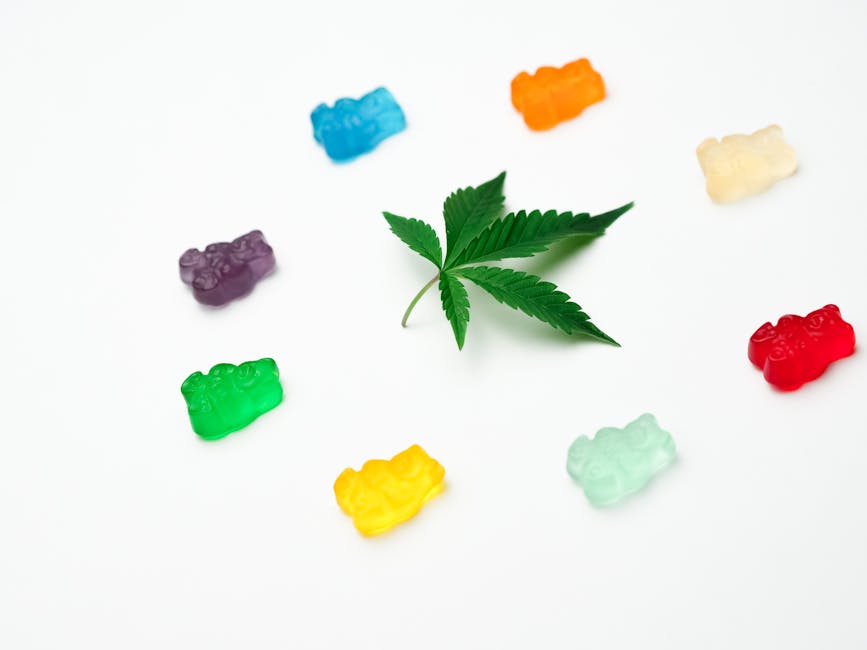
Candy, chews, and small-format options
Candy and chew-style edibles suit people who prefer compact portions and a concentrated flavor profile. They can be convenient to store and carry, but a small piece is not automatically a small serving. Look for the amount of cannabis per serving and the package’s total content, then keep the product in its original packaging so that information stays close at hand.
Texture and sweetness also matter. A fruity chew, a hard candy, and a chocolate piece have different ingredients and eating experiences. Someone managing sugar intake or avoiding specific ingredients should check the ingredient panel rather than relying on the product name or appearance.
Drinks and other food forms
An infused drink offers a different way to consume an edible. According to the CDC’s Cannabis and Public Health page, cannabis can be used in a number of ways, including edibles like cookies, cakes, or brownies, or tea, cola, or alcohol. That description covers a range of formats, but it does not mean every format is available from every seller.
Savory foods and other specialty formats may appeal to people who do not want a sweet edible. As with any cannabis-infused food, check the label for the serving amount, ingredients, and storage directions. Product selection changes, so confirm the current menu rather than treating a category as a promise of availability.
Why the edible category is only one part of the choice
Two edibles in the same category can still differ in recipe, cannabis content, flavor, and serving information. The guide to cannabis edibles offers more context on comparing edible products. For organic-minded shoppers, the cultivation story is another useful point of comparison. Our explanation of pesticide-free cannabis practices describes the approach behind our farm’s products.
How to choose an edible for your situation

Start with the reason and setting
Begin with the practical reason you are considering an edible. A foodie exploring cannabis flavors may prioritize taste and recipe, while a patient may first need to understand how the product fits their care plan. Someone looking for a discreet, portable option may favor a smaller format, while a person sharing food with others needs especially clear separation between infused and non-infused items.
Do not choose solely by strain language, flavor name, or the word “organic.” Those details do not replace the product label. If you are considering cannabis for a medical concern, an edible is not a substitute for advice tailored to your health and medications.
Compare label details before flavor
Check the cannabis amount per serving and the total amount in the package. Then review the serving size, ingredient list, allergens, storage instructions, and any batch or lot information shown. A label that makes serving content difficult to understand is a reason to pause and get clarification before purchasing.
For an organic cannabis shopper, ask what “organic” means in the context of the product and how the cannabis was grown. Trinity Growers Co. describes its cultivation as estate grown without pesticides or synthetic fertilizers. That is a farming practice, not a claim that every finished edible ingredient has a particular certification. Read the product details carefully and separate cultivation information from claims about the full recipe.
Match the format to your preferences
- For a first edible experience: Choose a clearly labeled product with serving information you can understand, and avoid treating an entire package as one portion.
- For flavor exploration: Consider how the food’s sweetness, richness, or savory ingredients will interact with the cannabis profile.
- For ingredient concerns: Review the complete ingredient and allergen information before buying, especially for baked goods, candies, and mixed-ingredient foods.
- For a medicinal routine: Discuss cannabis use with a qualified clinician who understands your health history and current medications.
Pro Tip: Photograph the product’s label before leaving the store. Keeping the serving details and ingredient list accessible makes it easier to compare products later without relying on memory.
What happens from choosing to consuming an edible?
A careful buying and use sequence
- Name your priority: Decide whether you care most about flavor, ingredient profile, format, or fit with a health-related conversation. That keeps a colorful package from becoming the only reason you choose a product.
- Confirm the current product details: Review the package and ask for clarification if serving content, ingredients, or storage directions are unclear. Selection can change, so confirm availability at the time of purchase.
- Read the serving information: Identify the amount per serving and the total amount in the package. Do not infer serving size from the number of pieces or the food’s ordinary appearance.
- Check ingredients and handling: Look for allergens, dietary ingredients, and storage instructions. Keep cannabis edibles in their original packaging and separate from ordinary food, especially in a household with children or pets.
- Plan for a measured experience: Follow the package directions and avoid taking more simply because an edible has not produced an immediate effect. The timing and experience vary with the person and product; patience is safer than stacking servings.
- Record what you chose: Note the format, product details, and your response. That gives you a useful basis for future comparisons and a more precise conversation with a clinician if you use cannabis for a health concern.
Pro Tip: Keep infused food clearly identified and stored separately from everyday snacks. A labeled package is more reliable than remembering which item contains cannabis.
What to avoid during the process
- Guessing the portion: A single-looking brownie or candy may contain more than one labeled serving.
- Mixing products casually: Combining edibles with other cannabis products makes it harder to understand what shaped the experience.
- Ignoring the ingredient panel: A familiar flavor does not tell you whether a product contains an ingredient you avoid.
- Treating every edible alike: A drink, baked good, and chew have different recipes and formats, so follow the specific package information for each.
For more on how our farm approaches edible production, read about crafting organic edibles.
Our perspective
We see an edible as both a food choice and a cannabis product. That means the recipe, cultivation approach, and product label each deserve attention. Trinity Growers Co. is a family-owned micro grow farm in Trinity County, California, and our focus is estate-grown cannabis produced without pesticides or synthetic fertilizers.
We bring that cultivation commitment to the way we think about organic cannabis products, while staying precise about what we can claim.
We would not tell a shopper that one edible format is universally better. A chocolate or baked good might suit someone who enjoys rich flavors, while another person prefers a drink or a less sweet option. Nor should a product’s appealing flavor distract from its serving information or ingredients. The right comparison starts with what is actually on the package.
We also avoid treating “organic” as a shortcut that answers every question. Ask about the growing practices, read the edible’s ingredient details, and distinguish the farm’s cultivation methods from the recipe as a whole. That is a more useful way to choose than relying on broad marketing language.
When to bring in a professional
A qualified clinician is the right person to involve if you are considering cannabis for a medical concern, take prescription medications, are managing a health condition, or are unsure how cannabis fits your care. Bring the product label, including its serving information and ingredient list, along with a clear description of what you are considering and any other cannabis products you use.
A clinician can evaluate your personal health context; a product seller cannot replace that assessment.
A knowledgeable cannabis retailer should be able to explain what the label says, distinguish serving amount from package total, identify ingredients and storage directions, and clarify what is known about the cultivation approach. They should be equally clear when a detail is not available. If you cannot get a straight answer about what is in the product or how it is labeled, choose a different product or wait until the information is clear.
Frequently asked questions
What are the main types of cannabis edibles?
Common edible formats include baked goods, candies or chews, beverages, and other foods, including savory options. The exact selection depends on what a seller currently carries. Formats differ in taste, ingredients, and how a product is portioned, so compare the package’s serving information rather than assuming every cookie, candy, or drink contains the same amount of cannabis.
Are organic cannabis edibles automatically healthier?
“Organic” and “healthier” are not interchangeable claims. Trinity Growers Co. focuses on cannabis grown without pesticides or synthetic fertilizers, but an edible’s nutritional profile also depends on its recipe and other ingredients. Check the ingredient and allergen information if you have dietary needs, and avoid assuming that a cultivation method establishes a medical benefit or makes a food suitable for every person.
How do I understand the serving size on an edible?
Read both the amount of cannabis listed per serving and the total for the package. Then compare that with the serving size described on the label. Do not use the item’s appearance to estimate its contents, since a single food item can be divided into multiple labeled servings. If the package does not make those details clear, ask for an explanation before consuming it.
Which edible format is best for someone new to cannabis edibles?
There is no single best format for every new consumer. A clearly labeled product that fits your food preferences and has understandable serving details is a more responsible starting point than choosing by novelty or flavor alone. Follow the product directions, do not rush to take more, and keep it separate from ordinary food. People considering cannabis for medical reasons should talk with a clinician first.
Does Trinity Growers Co. always carry every edible type?
No product category should be treated as a standing inventory promise. Edible availability can change, so check the current selection before planning around a specific baked good, candy, drink, or savory item. When comparing an available product, review its ingredients and labeled cannabis content, and ask for clarification if a detail is missing or unclear.
How Trinity Growers Co. helps you compare edibles
We bring a farm-level perspective to organic cannabis and edible choices. Our work centers on cannabis cultivation and organic cannabis sales, with a focus on estate-grown cannabis produced without pesticides or synthetic fertilizers. That gives shoppers a clear starting point for questions about cultivation, while the package remains the place to verify the specific edible’s ingredients, serving information, and current availability.
- Cannabis cultivation: Our family-owned micro grow farm is based in Trinity County, California.
- Organic cannabis sales: We focus on products reflecting our cultivation and sustainability values.
- Edibles: Compare available edible formats by recipe, serving details, and ingredient list rather than category alone.
Ready to talk through organic cannabis edibles? Contact our team about current options.
Conclusion
The best next step is to compare the actual label on an available edible with your priorities: format, taste, ingredients, serving information, and cultivation approach. Baked goods, chews, drinks, and savory foods each offer a different food experience, but none should be judged by flavor or appearance alone. For the types of cannabis edibles Trinity Growers Co. readers are considering, start with what the product details confirm and ask about anything unclear.
That simple check supports a more informed choice, whether you are exploring cannabis flavors or looking for an option to discuss as part of a health conversation. Reach out to us if you want to ask about current products or our farm’s approach.