
Discover the Health Benefits of Cannabis Edibles from Trinity Growers Co.

The health benefits of cannabis edibles are potential, dose-dependent effects that may include relief for some symptoms, but they are not guaranteed and can come with risks. For people considering medicinal cannabis, or choosing an edible for its flavor and convenience, the product, dose, and timing all matter. At Trinity Growers Co., our family-owned Trinity County farm has focused on estate-grown cannabis without pesticides or synthetic fertilizers since 2016.
Three things to know before you go further:
- Effects take time: Edibles are absorbed through digestion, so the experience can start later than inhaled cannabis and may last longer.
- “Organic” needs context: Ask how cannabis is grown and what the product label says. Trinity Growers Co. describes its cultivation as free of pesticides and synthetic fertilizers.
- Benefits are not a promise: Research is ongoing, and a cannabis edible is not a substitute for medical care or a clinician’s advice.
Key takeaways
Cannabis edibles can be a discreet, smoke-free way to consume cannabis, but potential benefits depend on the person, product, dose, and reason for use.
Why interest in cannabis edibles keeps growing
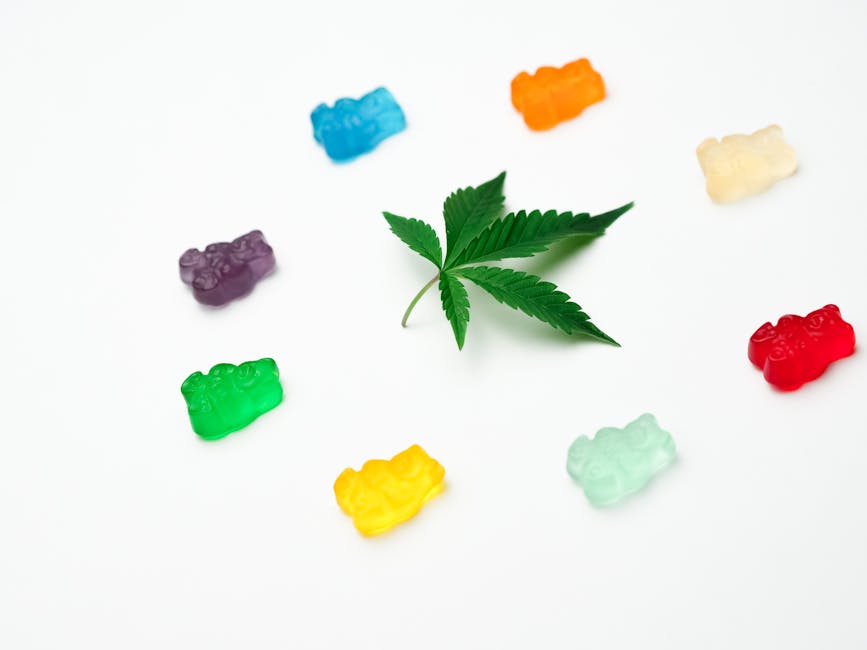
The appeal, and the uncertainty
People often look to cannabis edibles because they want a smoke-free option, prefer a measured serving, or enjoy the format of a tincture, infused food, or other edible product. A patient exploring medicinal cannabis may be looking for symptom support, while a foodie may simply want to understand how cannabis fits into a carefully planned tasting experience. Those are different goals, and they call for different questions.
An edible is not simply a cannabis flower in another form. Its effects can depend on the cannabinoids in the product, the amount consumed, a person’s tolerance, digestion, and whether it is taken alongside food or other substances. A labeled serving can make portioning easier, but it does not guarantee a predictable response for every person.
Research into cannabis and cannabinoids includes many different products and conditions. According to Cannabis (Marijuana) and Cannabinoids: What You Need To Know, a 2018 review looked at 47 studies (4,743 participants) of cannabis or cannabinoids for various types of chronic pain other than cancer pain and found evidence of a small benefit. That finding describes the studies reviewed, not a guarantee that an edible will ease an individual’s pain.
Interest in CBD products has also increased, but growing interest should not be confused with proof that a particular edible works. The review Benefits, toxicity and current market of cannabidiol in edibles states that the commercialization of products with cannabidiol (CBD) has undergone a significant increase. Buyers still need to check what a specific product contains and what claims the evidence actually supports.
What the choice can cost you
The cost is not only the price on the package. Choosing an edible without understanding its labeled THC or CBD content, ingredient list, and expected onset can lead to an unpleasant experience or make it harder to tell whether the product suits your needs. For someone managing a health condition, relying on an edible in place of a treatment plan can also delay a useful conversation with a qualified professional.
There is a practical tradeoff, too. Edibles avoid smoke, but they are not risk-free; they can still cause intoxicating effects and may be a poor fit for anyone who needs to drive, operate equipment, or remain unimpaired. Keep cannabis products secured away from children and pets, and do not share an edible without making its contents and effects clear.
For people seeking an eco-conscious choice, “organic” is not a magic word that answers every question about cultivation or the finished edible. Ask about farming practices, ingredients, and how the product is described. Our sustainable agriculture practices explain the approach behind growing cannabis at our Trinity County farm.
How to choose and approach an edible thoughtfully

A practical check before choosing
- Start with your reason for considering it: Decide whether you are exploring flavor, a smoke-free format, or possible symptom support. If the aim is medical, discuss cannabis with a qualified health professional, especially if you have a condition or use other medications.
- Read the product label carefully: Check the stated serving size, cannabinoid content, ingredients, and any use or storage directions. Do not assume that two products with similar packaging or names contain the same amount of THC or CBD.
- Ask how the cannabis was grown: If cultivation practices are important to you, ask whether the cannabis is estate grown and whether pesticides or synthetic fertilizers are used. Our estate-grown cannabis approach describes why farm origin matters to us.
- Choose a format that suits your priorities: An infused food may appeal to someone who values flavor, while another person may prefer a different product format. Our organic edibles offerings can help you learn about the edible side of our product range.
- Plan for delayed effects: Do not treat the lack of an immediate effect as a reason to take more. The CDC says edibles can take 30 minutes to 2 hours to produce intoxicating effects, so some people eat too much, as explained in THC Edibles and Delayed Effects: Why Timing Makes a Difference for Safety.
- Keep the setting and storage in mind: Use an edible only where you can remain unimpaired and avoid driving or operating equipment. Store it in its original, clearly labeled packaging, secured away from children and pets.
Pro Tip: When comparing cannabis edibles, write down the labeled cannabinoid amount and serving size before choosing. That small check helps prevent confusing a package’s total contents with the amount in one serving.
A smoke-free edible may suit someone who wants to avoid inhalation, but it is not the right fit for everyone. If you need fast-onset effects, cannot safely avoid impairment, are pregnant or nursing, or have concerns about interactions with medication, talk with a qualified professional before using cannabis. Research also describes interest, not certainty: Therapeutic Potential of Cannabis, Cannabidiol, and Cannabinoid-Based Pharmaceuticals reports that there is a growing interest in the use of cannabis (and its extracts), as well as CBD oil (hemp extracts containing cannabidiol), for therapeutic purposes.
Ready to explore thoughtfully grown cannabis edibles? See what Trinity Growers Co. offers.
Common edible mistakes and how to avoid them

Small oversights can change the experience
- Taking more before the first serving has taken effect: Delayed onset makes impatience a common pitfall. Follow the product’s directions, wait rather than stacking servings, and remember that effects vary between people and products.
- Confusing the package total with a serving: A package may contain more than one serving. Read the serving information and the cannabinoid amount instead of estimating from the size or appearance of the edible.
- Assuming a natural or organic description guarantees a medical result: Farming practices can be important to a buyer, but they do not establish that an edible treats a condition. Separate questions about how cannabis was grown from questions about what evidence supports a health claim.
- Choosing by flavor alone: Food quality matters to an edible enthusiast, but taste does not tell you the amount of THC or CBD. Check the label and ingredients first, then decide whether the format and flavor fit your preferences.
- Treating CBD and THC as interchangeable: Products can differ in cannabinoid composition and intended experience. Confirm what the label says rather than assuming a CBD-labeled edible has no intoxicating effects or that products with different compositions will feel alike.
- Using an edible when you need to stay unimpaired: An edible can affect attention and coordination. Avoid driving, operating equipment, or taking on responsibilities that require full alertness after consuming cannabis.
- Leaving cannabis accessible: Edibles can look like ordinary food. Keep them clearly labeled and secured away from children and pets, and avoid transferring them into unmarked containers.
- Expecting a uniform response from batch to batch or person to person: Tolerance, product composition, and individual factors matter. Do not use another person’s experience as a dosing guide for yourself.
Pro Tip: If you are comparing two edible products, check their serving instructions side by side before considering price or flavor. A clear label and a cultivation story you can understand are more useful than an attractive package alone.
FAQ about cannabis edibles and potential health benefits
Can cannabis edibles provide health benefits?
Some people explore cannabis or cannabinoids for potential symptom support, but research findings do not establish that a particular edible will help a particular person. The available evidence can concern different cannabinoid products, doses, and health conditions, so it should not be treated as a blanket endorsement. If you are considering an edible for a medical reason, discuss the risks, possible interactions, and alternatives with a qualified health professional.
How long do cannabis edibles take to work?
Onset varies by product and person, and an edible may take longer to produce effects than inhaled cannabis because it is consumed and digested. The CDC says edibles can take 30 minutes to 2 hours to produce intoxicating effects, so some people eat too much. Follow the product’s directions, avoid taking more just because you do not feel an immediate effect, and allow for possible impairment.
Are organic cannabis edibles safer than other edibles?
A description of cultivation practices can help you understand how cannabis was grown, but “organic” alone does not prove an edible is safer, risk-free, or medically effective. Ask what the farm means by its growing claims, read the ingredient and cannabinoid information, and review the product’s directions. Trinity Growers Co. describes its cannabis as estate grown without pesticides or synthetic fertilizers, while individual product details should be checked on the product itself.
What should I check on an edible label?
Look for serving size, the stated cannabinoid content, ingredients, and directions for use and storage. Check whether the amount shown refers to a serving or the whole package, and do not infer effects from flavor, shape, or a product name. If you have questions about a cannabis product and medication or a health condition, take the label information to a qualified health professional rather than guessing.
Are edibles a good choice for everyone?
No. Edibles may not suit someone who needs to avoid impairment, wants immediate effects, or has health or medication concerns that have not been discussed with a professional. They are also not a substitute for prescribed treatment or individualized medical guidance. Do not drive after consuming cannabis, and store products securely away from children and pets. A qualified clinician can help you consider personal risks and alternatives.
How Trinity Growers Co. helps you explore organic edibles
Farm values and product options
Trinity Growers Co. is a family-owned micro grow farm in Trinity County, California. Since 2016, our focus has been cultivating high-quality cannabis using sustainable practices, with our cannabis estate grown without pesticides or synthetic fertilizers. We offer cannabis cultivation, organic cannabis sales, and edibles for people who want to learn more about where their cannabis comes from and what formats are available.
When you explore our products, bring practical questions: What does the label say about servings and cannabinoids? What ingredients are included? Is the format right for the experience you are seeking? We believe clear information helps you make a more considered choice, whether your interest is in a food-forward edible or a broader look at our organic cannabis strains.
- Cannabis cultivation: Estate-grown cannabis from our Trinity County farm.
- Organic cannabis sales: Products for customers seeking cannabis grown without pesticides or synthetic fertilizers.
- Edibles: A food-based option to explore alongside the product’s label and directions.
Want to learn more about our farm and available products? Connect with Trinity Growers Co..
Conclusion: make an informed choice about cannabis edibles
The most useful next step is to identify why you are considering an edible, then compare that goal with the product’s label, ingredients, serving information, and cultivation practices. Potential health benefits depend on the product and the person, and current research does not make an individual outcome certain. If you are exploring medicinal cannabis, speak with a qualified health professional before changing or replacing any part of your care.
For cannabis enthusiasts who value a farm’s growing approach, Trinity Growers Co. offers estate-grown cannabis from our family-owned Trinity County farm, along with organic cannabis sales and edibles. The health benefits of cannabis edibles are not guaranteed, but informed questions about the product and careful attention to its directions can help you decide whether an edible fits your needs.
Sources
- Cannabis (Marijuana) and Cannabinoids: What You Need To Know | NCCIH
- Benefits, toxicity and current market of cannabidiol in edibles – PubMed
- Therapeutic Potential of Cannabis, Cannabidiol, and Cannabinoid-Based Pharmaceuticals – PubMed
- Cannabis and heart concerns: A closer look
- Cannabis Edibles & Oral Consumption Guide
- THC Edibles and Delayed Effects: Why Timing Makes a Difference for Safety
This article is general information, not a substitute for advice from a qualified professional. Consult a qualified professional about your own circumstances before acting on anything here.