
Discover Delicious Edibles Made with Organic Cannabis at Trinity Growers Co.
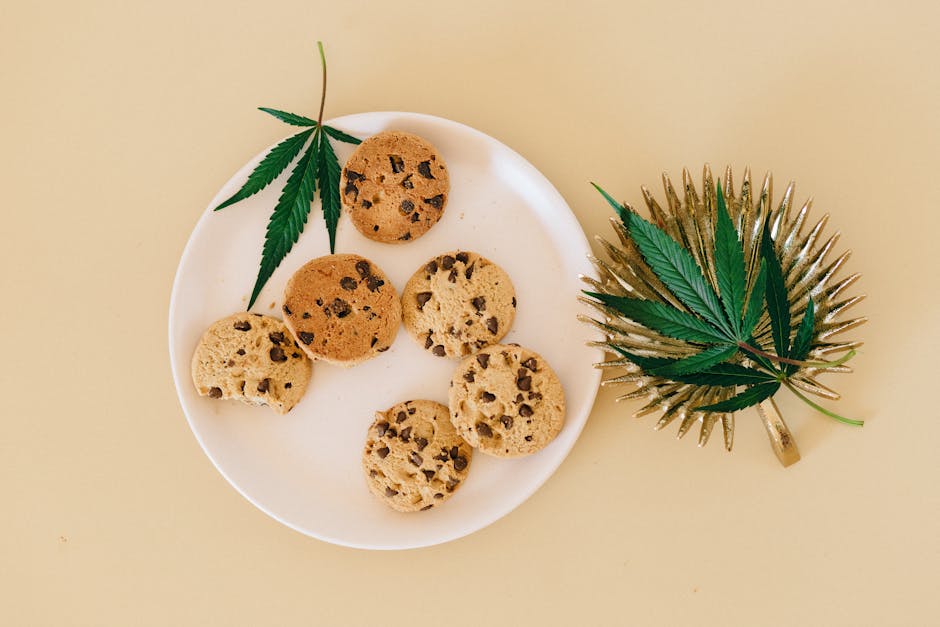
Edibles made with organic cannabis are food products infused with cannabis cultivated without pesticides or synthetic fertilizers, offering a food-based alternative to inhaled products. They appeal to people who care about how cannabis is grown, prefer a measured food format, or want flavor to be part of the experience. At Trinity Growers Co., our family-owned Trinity County micro grow farm has focused on estate-grown cannabis and sustainable practices since 2016.
Three things to know before you go further:
- Cultivation matters: Ask how the cannabis was grown and whether the producer can explain its farming practices, not just its flavor notes.
- Edible timing is different: Effects can take longer to appear than they do with inhaled cannabis, so follow the product label and avoid taking more too soon.
- Check the product details: Read the ingredient list, serving information, and cannabinoid content before choosing an edible.
Key takeaways
Good cannabis edibles start with transparent cultivation, clear product information, and a serving approach that respects each person’s response.
What matters most
Why choosing edibles made with organic cannabis can be hard
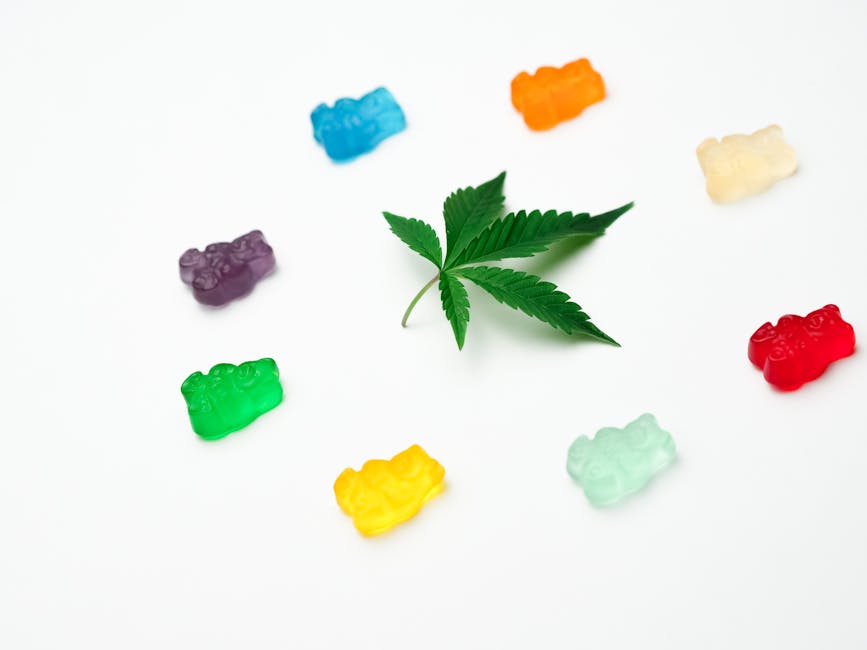
The label does not tell the whole farm story
Shoppers often see words such as “natural,” “clean,” or “organic” without enough detail to understand the cultivation behind the finished edible. Those terms do not automatically explain what inputs a grower uses, how crops are managed, or whether the cannabis in the product came from the farm named on the package. For eco-conscious customers, this can make it difficult to compare products on more than branding.
At Trinity Growers Co., we are a family-owned micro grow farm in Trinity County, California. Our cannabis is estate grown, and our farming approach avoids pesticides and synthetic fertilizers. We share more about our sustainable agriculture practices and why estate-grown cannabis matters to our approach.
Price and preference can complicate the search, too. A customer may want a lower-sugar treat, a familiar flavor, or a specific cannabinoid profile, but the available labels may not make ingredient sourcing or serving details easy to compare. Product selection can also vary by local availability, so a product someone read about may not be available nearby.
Why the category keeps attracting attention
According to Cannabis Edibles Market Size, Forecasts Report 2026-2035, the cannabis edibles market was valued at USD 14.8 billion in 2025 and is projected to reach approximately USD 60.2 billion by 2035, expanding at a CAGR of 15% during 2026 to 2035. That growth makes it even more useful for buyers to look beyond trend language and compare what is actually in a product.
According to Cannabis Edibles Market Size to Hit USD 16.62 Bn in 2026, in 2025, the organic segment of the cannabis edibles market accounted for 15% market share, driven by increasing consumer demand for natural, eco-friendly, and health-conscious alternatives in the confectionery market. That demand reflects an interest in sourcing, but it does not mean every edible suits every person or preference.
The practical cost of a poor choice is not only money. A mismatch in flavor, serving size, or expectations can leave someone with an edible they do not enjoy, while unclear sourcing can frustrate a shopper trying to support responsible agriculture. Patients should also avoid treating an edible as a predictable medical dose without discussing cannabis use with a qualified healthcare professional.
How to choose an organic cannabis edible step by step

A practical buying checklist
- Start with the cultivation story: Look for a producer that can explain where its cannabis is grown and what its farming practices involve. For Trinity Growers Co., estate-grown cannabis and cultivation without pesticides or synthetic fertilizers are central to our approach.
- Read the full label: Check the ingredient list, serving information, cannabinoid content, and any storage directions. If an important detail is missing or unclear, ask the retailer or producer before buying instead of guessing from the product name.
- Match the format to your preferences: Edibles include different food formats, and taste, texture, and dietary ingredients can matter as much as the cannabis itself. Choose based on the details you can verify, rather than assuming that one format is automatically more effective or suitable.
- Understand that timing varies: Ingested cannabis is processed differently from inhaled cannabis, and an edible’s onset and duration can vary by person and product. Follow the labeled serving guidance, do not take extra because effects have not appeared quickly, and avoid combining cannabis with alcohol or other intoxicating substances.
- Consider your setting and responsibilities: Choose a time when you do not need to drive, operate equipment, or care for someone else. Keep cannabis edibles secured away from children and pets, and store them in their original packaging so the product information remains available.
- Ask about sourcing and batch information: If you are comparing Trinity County cannabis products, ask whether the cannabis is estate grown, what the grower means by its cultivation claims, and what information is available for the edible itself. A farm’s practices and a finished product’s ingredients are related, but they are not the same question.
Pro Tip: Keep the package and note the amount you chose, the time you consumed it, and how you felt. That record can help you make a more informed choice next time, but it cannot predict how another edible or serving will affect you.
Our organic edibles offerings provide a closer look at our perspective on this category. Ready to explore our approach to cannabis edibles? Visit Trinity Growers Co..
Common mistakes when shopping for cannabis edibles

What to watch for on the shelf
- Treating “organic” as a complete explanation: A word on a label may not tell you which farm grew the cannabis or what practices were used. Ask for a clear account of cultivation, and distinguish a farm’s stated methods from any certification claim.
- Choosing by flavor alone: A delicious-sounding treat can still be a poor fit if the ingredients, serving details, or cannabinoid information do not match your needs. Read the package first, especially if you have dietary restrictions or are selecting an edible for a patient.
- Taking more before the first serving has had time: Edibles can take longer to produce noticeable effects than inhaled products. Following the product directions and allowing adequate time is safer than stacking servings based on impatience; individual responses can still differ.
- Assuming a small-looking piece is a small serving: Appearance does not establish cannabinoid content. Use the package’s serving information rather than estimating by size, and do not divide a product unless its labeling supports doing so consistently.
- Ignoring formulation and processing questions: Buyers should be cautious about products with unclear ingredients or unexplained cannabinoid conversion claims. According to FDA Regulation of Cannabis and Cannabis-Derived Products, Including Cannabidiol (CBD), FDA has not approved any delta-8 product for safe use and has warned that the CBD-to-delta-8 conversion process can leave behind harmful chemicals or byproducts, especially when manufacturing happens in uncontrolled settings.
- Expecting a wellness effect to be guaranteed: Cannabis response differs among people, and an edible is not a guaranteed remedy. If you are considering cannabis for a health concern, discuss potential risks and interactions with a healthcare professional who understands your situation.
Pro Tip: When a producer uses the word “organic,” ask what it refers to: the cannabis cultivation, the edible’s other ingredients, or both. Clear answers help prevent an assumption about the whole product based on one part of its sourcing.
FAQ about organic cannabis edibles
What makes an edible made with organic cannabis different?
The key distinction is the cultivation story behind the cannabis ingredient. At Trinity Growers Co., our cannabis is estate grown without pesticides or synthetic fertilizers, as part of our sustainable farming approach. The finished edible still has its own ingredient list and product details, so check those separately. Do not assume that a farm’s cultivation practices establish a particular certification or describe every ingredient in the food.
How long do cannabis edibles take to work?
There is no single timing that applies to every person or edible. Ingested cannabis can take longer to produce noticeable effects than inhaled cannabis, and factors such as the product, serving, and individual response can influence the experience. Follow the label, avoid taking more too soon, and do not make plans that require driving or alertness while effects may be present. Ask a healthcare professional about medical concerns.
How do I choose the right serving of an edible?
Start by reading the product label for the serving information and cannabinoid content, then follow its directions. If the label is unclear, ask the retailer or producer rather than estimating from the size of a piece. A serving that feels manageable to one person may not suit another, and no general recommendation can account for a person’s health, tolerance, or other medications. Patients should consult a healthcare professional.
Are Trinity Growers Co. edibles made from cannabis grown on the farm?
Trinity Growers Co. is a micro grow farm focused on estate-grown cannabis, and edibles are among the services listed by our business. For a specific edible, ask about the cannabis source and product details rather than assuming that every item has identical ingredients or sourcing. We want customers to have a clear understanding of what they are considering, including the cultivation practices behind the cannabis.
Does “organic cannabis” mean an edible is certified organic?
Not necessarily. The word may be used to describe cultivation practices, but it does not by itself prove that a finished edible has a particular third-party certification or that every food ingredient was produced the same way. Ask what exactly the claim covers, who grew the cannabis, and whether the producer can explain its practices.
Trinity Growers Co. describes its farming as pesticide-free and free of synthetic fertilizers, without asking readers to infer a certification.
Are organic cannabis edibles a good choice for medical cannabis patients?
They may be a format some patients wish to consider, but whether an edible is appropriate depends on the person’s health, medications, and goals. A food-based product can also have a different onset and duration from inhaled cannabis, so it should not be treated as a direct substitute. Discuss cannabis use with a qualified healthcare professional, read the label carefully, and choose only a product whose information is clear to you.
How Trinity Growers Co. helps you choose
Farm-rooted cannabis and edible options
We bring cannabis cultivation and organic cannabis sales together with our work as a family-owned micro grow farm in Trinity County. Our focus is estate-grown cannabis and sustainable farming practices that avoid pesticides and synthetic fertilizers. That gives customers a direct starting point for asking about how the cannabis is grown, while product labels and availability provide the details needed to assess a particular edible.
Our unique organic cannabis strains offer more context on the plants behind our cultivation work. For perspectives from customers, see experiences with Trinity Growers Co. products.
- Cannabis cultivation: Estate-grown cannabis from our Trinity County farm.
- Organic cannabis sales: Products connected to our pesticide-free, no-synthetic-fertilizer growing approach.
- Edibles: Food-format cannabis products for customers who prefer an edible option.
If you want to learn more about our farm and products, get in touch with Trinity Growers Co..
Conclusion: choose edibles made with organic cannabis carefully
Make the sourcing question your first step
The best next step is to check the cultivation story and the finished product label before deciding which edible to buy. Look for clear information about ingredients, cannabinoid content, and serving guidance, then make a choice that fits your preferences and circumstances. Organic cultivation claims matter, but they do not replace product-specific details or medical guidance.
At Trinity Growers Co., our family-owned Trinity County farm focuses on estate-grown cannabis and sustainable practices without pesticides or synthetic fertilizers. Explore the details, ask questions when information is unclear, and choose edibles made with organic cannabis only when you understand what the product offers and how to use it responsibly.
Sources
- The Cannabis Edibles Boom: Inside a $14.8 Billion Market
- Cannabis Edibles Market Size, Forecasts Report 2026-2035
- Cannabis Edibles Market Size to Hit USD 16.62 Bn in 2026
- Worldwide Organic Cannabis Market 2026 – PW Consulting
- US Cannabis Edibles Market Size, Share & Growth Report 2024-2034
- FDA Regulation of Cannabis and Cannabis-Derived Products, Including Cannabidiol (CBD)